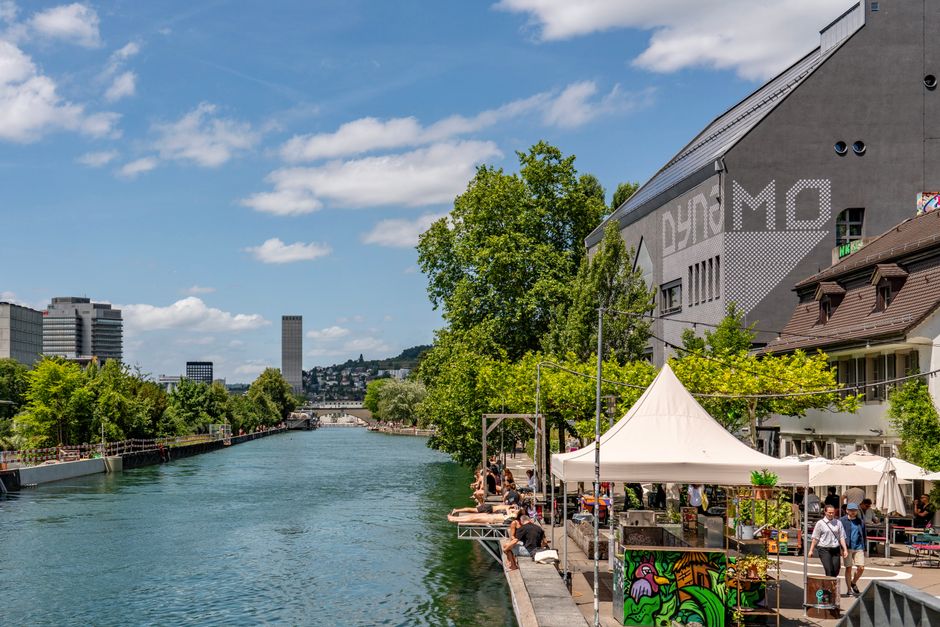
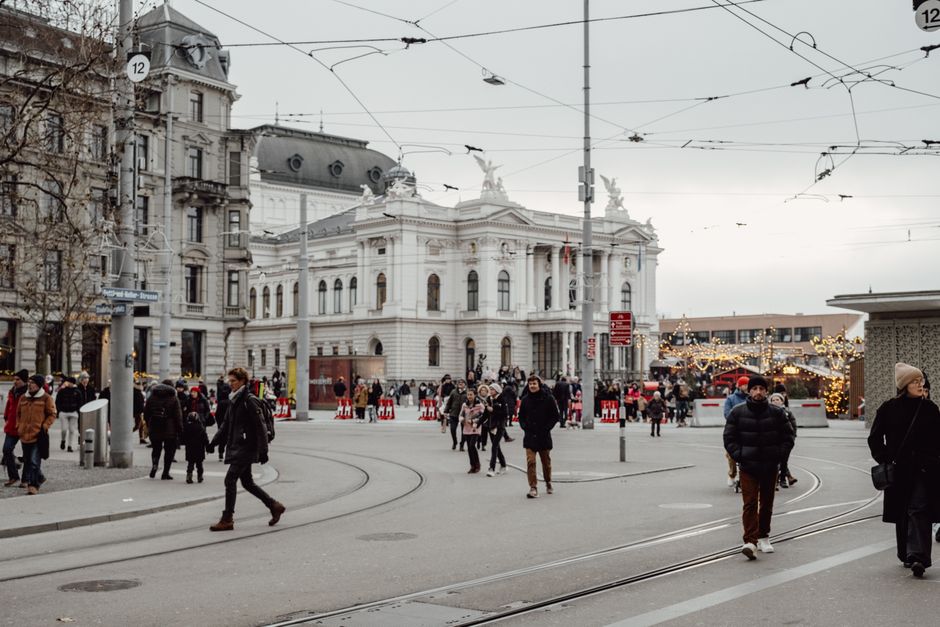
Walk through Zurich's Kreis 5 district today and you'll find gallery windows, design studios, and craft breweries occupying spaces that, in the 1980s, housed squatter collectives and illegal raves. This transformation—from industrial margins to cultural epicentre—tells a story about how European cities negotiate heritage, identity, and economic pressure.
The pivotal moment came in the mid-1990s when the city's political establishment faced a choice: criminalise the autonomous scene or integrate it. The decision to legalise venues like Rote Fabrik, a former textile factory on Seestrasse, proved transformative. What began as a countercultural refuge evolved into a legitimate cultural institution hosting theatre, dance, and experimental music. Today, the venue operates with a municipal budget and attracts thousands annually—a pragmatic compromise between preservation and professionalisation.
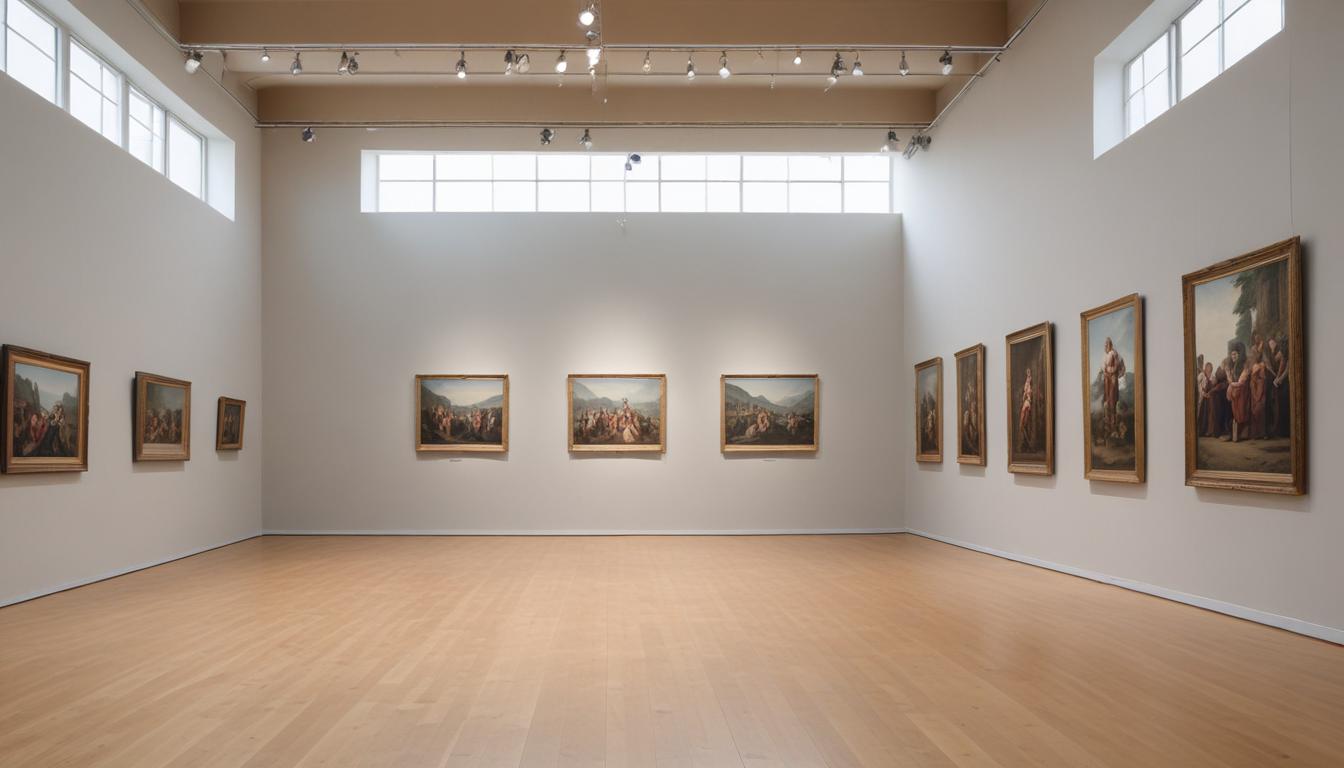
The shift accelerated in the 2000s as galleries migrated eastward. Kunsthalle Zurich, founded in 1910 but renovated dramatically in 2021, anchored institutional prestige on Heimplatz. Simultaneously, smaller venues—Kaskadenkondensator in an apartment on Kanzleistrasse, Hahnloser Collection in the Wiedikon neighbourhood—cultivated a decentralised creative ecosystem. By 2015, cultural tourism contributed an estimated 850 million francs annually to Zurich's economy, according to the city's tourism board.
Yet nostalgia complicates the narrative. Longtime cultural workers describe a paradox: as Zurich's heritage became fashionable, property values skyrocketed. Studio rents in Kreis 5 nearly tripled between 2010 and 2023. Young artists—the demographic that animated the scene's original energy—increasingly relocated to peripheral cities like Winterthur or Bern, where affordability remained viable.
Today's challenge mirrors post-industrial cities globally: how to celebrate a creative past without pricing out its future practitioners. The Zurich Cultural Foundation's recent initiative to designate artist-affordable studios in Aussersihl attempts this balance, though critics argue tokenism persists.
What remains undeniable is that Zurich's cultural identity, once defined by banking discretion and bourgeois propriety, now incorporates harder edges. The Freitag Tower—constructed from recycled shipping containers in Kreis 5—has become an unofficial symbol: functional, sustainable, visibly creative. It embodies how heritage evolves when cities listen to marginal voices rather than merely archiving them. Whether that evolution continues depends on whether affordability and accessibility survive the city's growing appeal.
This article was compiled by AI from the sources linked above and screened before publishing. See our editorial standards.