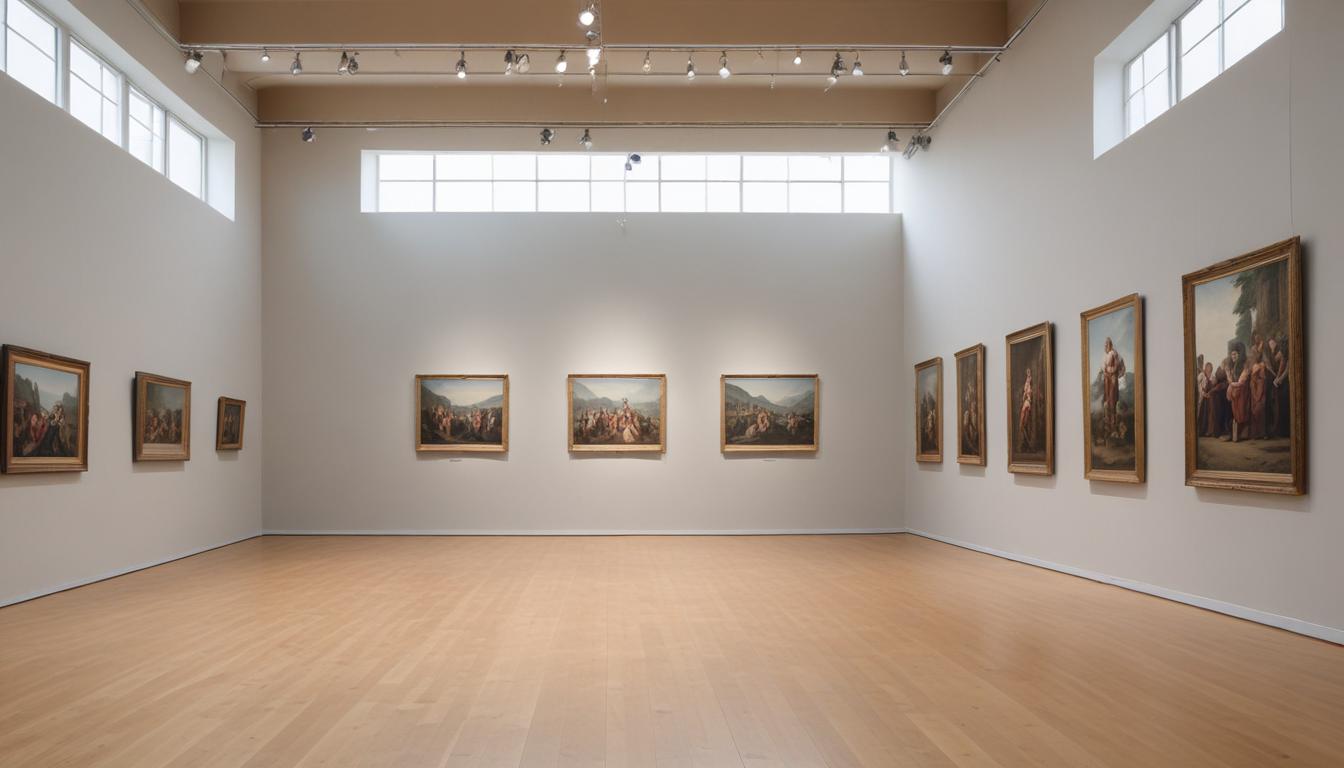
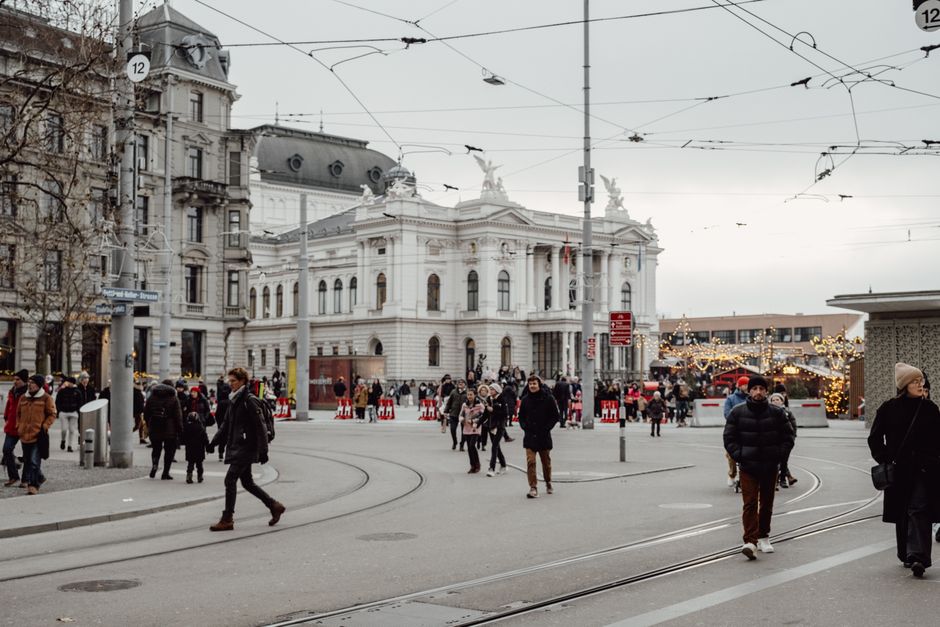
Walk through the soaring galleries of the Kunsthaus Zürich on Heimplatz, and you're navigating the legacy of people whose names rarely appear on exhibition labels. Yet without the determination of figures like the early 20th-century patrons who fought to establish Switzerland's pre-eminent art institution, the museum would never have become the repository of Monet, Giacometti, and Picasso that draws over 700,000 visitors annually.
The museum's transformation accelerated dramatically after 2021, when a sweeping expansion—shepherded by Swiss architects David Chipperfield—nearly doubled its public space. But that renovation emerged from institutional conversations that began years earlier, shaped by museum directors navigating between preservation and ambition, between Swiss collecting traditions and global contemporary art movements.
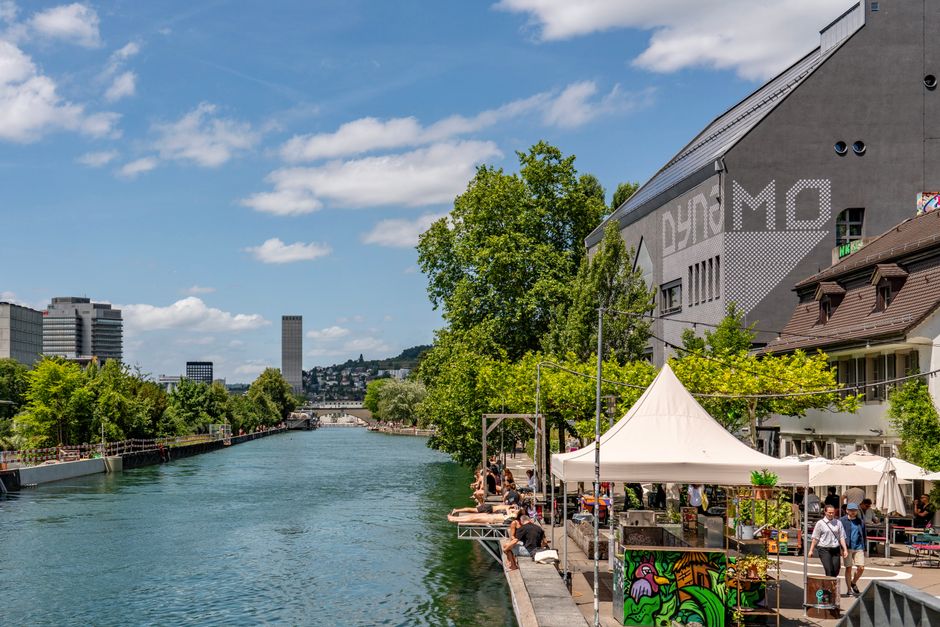
Beyond Heimplatz, the story becomes more dispersed, more grassroots. Across the Limmat in the Wollishofen neighbourhood, smaller galleries have proliferated in converted industrial spaces along Schiffbau and Geroldstrasse. These venues—often run by artist collectives and independent curators—emerged not through municipal planning but through the entrepreneurial instincts of individuals willing to take risks on abandoned factory districts. The Shedhalle and Kunsthalle Zürich, both neighbourhood institutions, owe their vitality to generations of curators and educators whose salaries rarely match the cultural weight they carry.
Perhaps most revealing is the invisible infrastructure beneath Zurich's cultural surface: the restoration workshops, the conservation labs, the education teams working in relative obscurity. At the Museum of Fine Arts (Kunstmuseum) on Rämistrasse, specialists spend months preparing a single exhibition, coordinating loans, managing climate control in galleries that maintain 50-year-old collection standards.
What distinguishes Zurich's scene from other wealthy Swiss cities is not merely financial resources—though CHF 400 million annual spending on cultural institutions certainly helps—but rather the particular blend of institutional rigour and experimental spirit. The city's curators have historically resisted the trend toward sensation-driven blockbusters, instead cultivating audiences with deeper engagement in contemporary practice and historical scholarship.
Today's younger generation of gallerists and museum professionals navigate different pressures: digital access, climate responsibility, demographic shifts in who visits museums. Yet they operate within a framework built by predecessors who understood that cultural institutions require both vision and patience. That backstory—of committee meetings, donor negotiations, and passionate advocacy—remains largely untold. Yet it's precisely these human decisions, made in offices and storerooms across the city, that transformed Zurich into somewhere people travel thousands of kilometres to experience.
This article was compiled by AI from the sources linked above and screened before publishing. See our editorial standards.