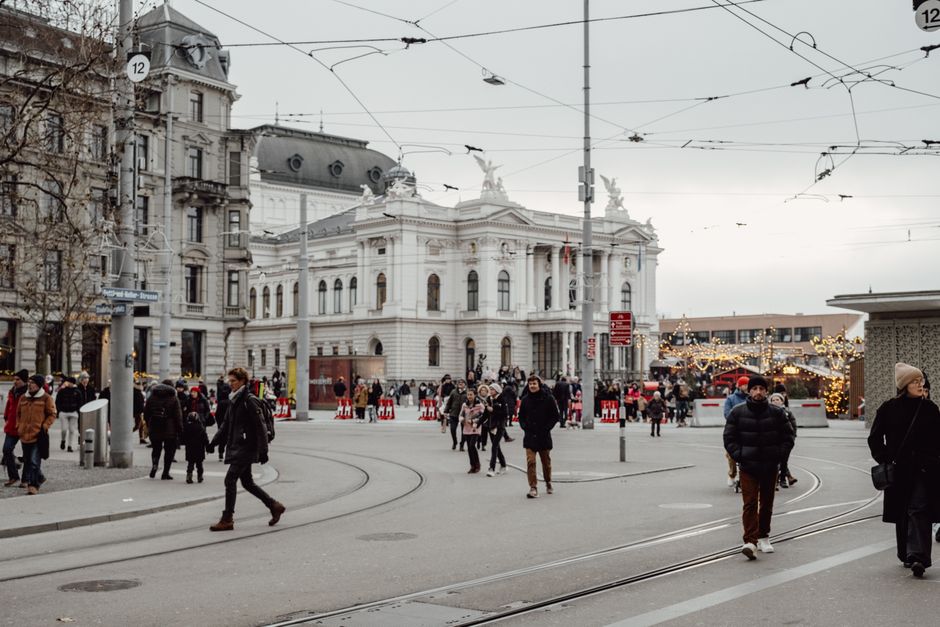
Walk through Zurich's theatre district and you'll notice something shifting. The Schauspielhaus on Alfred-Escher-Strasse remains a cultural institution, but increasingly it's the smaller stages—in Aussersihl, Wiedikon, and around the Europaallee development—where the real creative ferment is happening.
This season marks a turning point. The city's performing arts sector, long dominated by established names and classical repertoire, is experiencing a demographic reshuffling. Venues like the Gessnerallee and the Stadelhofen-adjacent Zurich Kino collective are actively commissioning work from artists under 35, a deliberate shift reflected in the 2026 season schedules. The Zurich Film Festival, Switzerland's largest, has similarly expanded its emerging filmmaker showcase from 12 to 18 slots, recognising both market demand and critical necessity.
What characterises this wave? Thematic urgency, for one. Where previous generations mined psychological realism, today's emerging creators are grappling directly with migration, climate collapse, and digital alienation. Several are working across disciplines—blending live performance with projection, theatre with sound design—in ways that reflect how their generation actually consumes culture. Ticket prices at experimental venues average 25–35 francs, deliberately undercutting the 80+ franc Schauspielhaus standard, suggesting a conscious democratisation effort.
The infrastructure supporting this cohort is stronger than five years ago. The Zurich University of Teacher Education's performance programme has expanded; the ZHdK (Zurich University of the Arts) continues graduating directors and playwrights who stay local rather than migrating to Berlin or Basel. Crucially, the city's cultural funding bodies—including the Canton and the municipal Kulturamt—have created dedicated emerging artist grants, distributing roughly 3.2 million francs annually to independent producers, up from 2.1 million in 2023.
Across the Limmat, the Altstetten cultural centre and smaller independent venues like Kino Lümieres are becoming de facto laboratories. Here, work is messy, experimental, and intentionally provocative. Weekend matinées often sell out; word-of-mouth in Zurich's arts community travels fast.
The question isn't whether Zurich will produce the next generation of significant Swiss theatre and film voices—clearly it will. Rather, it's whether the city's cultural institutions and audiences will continue investing in their development once they've begun attracting international attention. History suggests they will, but this moment—where energy, funding, and venue space briefly align—feels genuinely rare.
This article was compiled by AI from the sources linked above and screened before publishing. See our editorial standards.