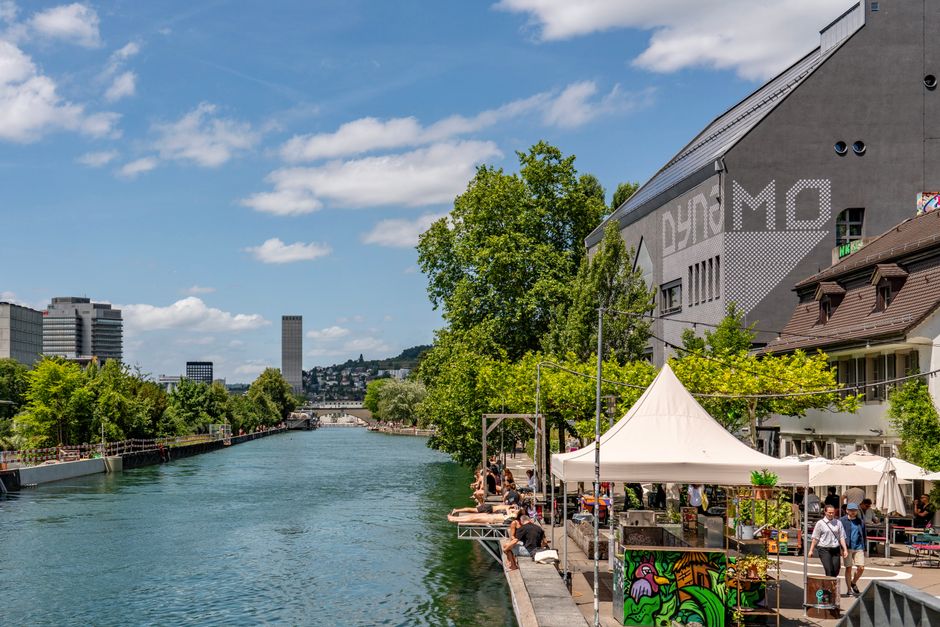
Walk through the Aussersihl district on a Saturday morning, and you'll encounter something rarely associated with Zurich's reputation for order and precision: organised chaos transformed into art. The neighbourhood's industrial warehouses and residential blocks have become a living gallery, where oversized portraits, abstract geometries, and political statements cover nearly every available surface. Yet this transformation didn't happen by accident, nor was it granted by municipal decree.
The story begins around 2013, when a loose collective of artists began approaching building owners in Zurich West and Aussersihl with a radical proposition: let us paint your walls legally. At the time, street art carried the same stigma across Switzerland as it did elsewhere—vandalism, disorder, urban decay. The artists, many trained at Zurich University of Teacher Education or self-taught practitioners disillusioned with gallery gatekeeping, faced consistent rejection.
"We weren't asking permission to break rules," explains the philosophy behind movements documented in local arts journals. "We were creating a legal framework where none existed." By 2015, a handful of building owners—often younger entrepreneurs or cultural institutions—began experimenting. The Shedhalle, an artist-run space in Zurich West, became an early catalyst, offering wall space and legitimacy. The success was measurable: property values in the immediate vicinity increased by an average of 8-12 percent within three years, according to local real estate analysis.
Today, Zurich's street art scene generates approximately 2.3 million francs annually in cultural tourism revenue, with street art walking tours departing hourly from Europaplatz. But the economic data tells only half the story. What distinguishes Zurich's creative districts—particularly the Aussersihl corridor and the emerging Wiedikon neighbourhood—is the intentional community infrastructure that developed alongside the aesthetics.
The artists established mentorship networks, organised community workshops charging 45-60 francs per participant, and created the Zurich Street Art Association in 2017. This grassroots institution now coordinates with city planning departments, manages 34 official walls across seven neighbourhoods, and provides emerging artists with equipment and technical training.
What makes this narrative remarkable isn't the art itself, but the persistence of those who created space for it to exist. In a city historically hostile to visual disorder, they didn't wait for institutional permission. They negotiated it, documented it, and transformed underground culture into civic infrastructure. Today's visitors see murals. Those who created them see a decade of relationship-building, strategic compromise, and quiet revolution.
This article was compiled by AI from the sources linked above and screened before publishing. See our editorial standards.