Walk along Langstrasse on any Friday night and you'll encounter the beating heart of Zurich's live music scene—a landscape almost unrecognizable from the 1970s, when the district's reputation rested entirely on its red-light establishments. Today, this kilometre of West Zurich pulses with venues ranging from intimate 200-capacity clubs to mid-sized halls hosting 1,500 attendees, a transformation that mirrors the city's broader cultural evolution.
The journey began in earnest during the 1980s punk and new wave movements, when converted warehouses and basement spaces became incubators for experimental sound. The Kaufleuten, established in 1915 as a guild house, underwent its crucial reinvention during this era, becoming synonymous with cutting-edge programming. By the 1990s, venues like Mascotte and Rote Fabrik had cemented Zurich's reputation as a serious stop on European touring circuits—a status that demanded investment and infrastructure.
The past two decades witnessed unprecedented expansion. The Hallenstadion, with its 13,000-seat capacity, transformed Zurich's ability to host stadium-level acts. Meanwhile, the Tonhalle on Claridenstrasse established itself as Europe's premier classical and crossover venue. More recently, smaller spaces like the Moods Jazz Club in the Schiffbau neighbourhood have specialized in genre-specific programming, allowing the city to accommodate everything from klezmer orchestras to electronic pioneers.
Statistics tell a compelling story: Zurich now hosts approximately 4,000 live music events annually across 150+ registered venues. Average ticket prices range from CHF 25 for local acts at Langstrasse clubs to CHF 150+ for international headliners at major halls. The economic impact is substantial—the live music sector generates an estimated CHF 180 million annually in direct and indirect revenue, supporting roughly 2,000 full-time equivalent jobs across venues, promotion, technical services, and hospitality.
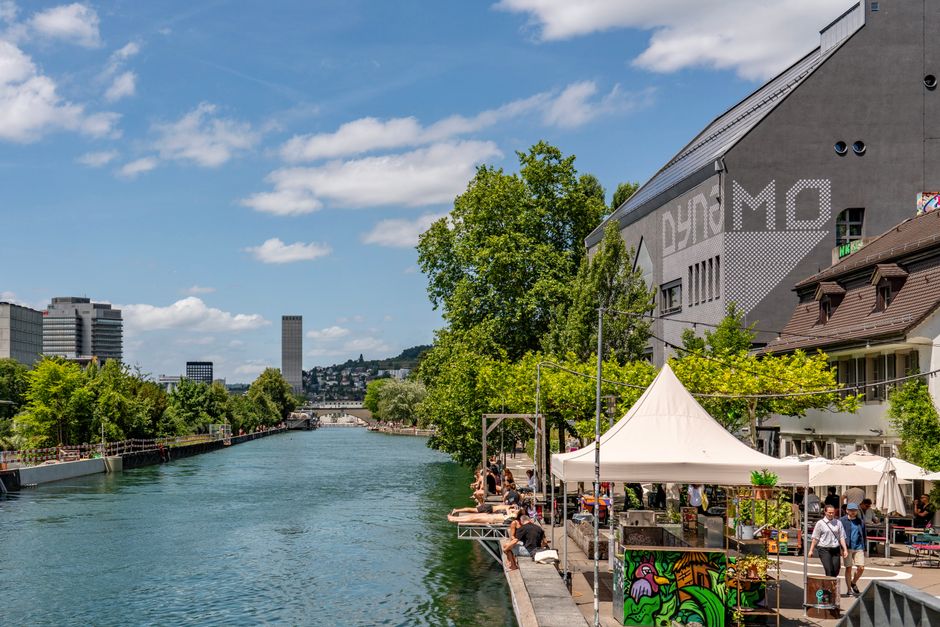
What distinguishes Zurich's scene today is its architectural diversity and neighbourhood specificity. Langstrasse remains bohemian; Schiffbau has evolved into a cultural campus; Zurich West cultivates electronic and experimental music; while the Altstadt hosts classical and heritage programming. This decentralization has prevented the homogenization seen in other major cities, preserving grassroots energy alongside commercial viability.
As Zurich approaches mid-2026, venues face mounting pressures: rising rents, shifting demographic attendance patterns, and competition from streaming platforms. Yet the infrastructure built over fifty years—both physical and cultural—suggests remarkable resilience. The question isn't whether Zurich's music scene will survive, but how it will evolve to remain essential in an increasingly digital world.
This article was compiled by AI from the sources linked above and screened before publishing. See our editorial standards.