Walk through the narrow lanes of Zurich's Europaallee neighbourhood today, and you'll encounter design studios occupying converted warehouse spaces where industrial machinery once hummed. This transformation—from manufacturing heartland to creative hub—represents a profound shift in how Switzerland's largest city understands itself.
The roots run deep. Zurich's fashion DNA traces back to the 1970s and 1980s, when the city's precision engineering tradition naturally extended into textile machinery and high-quality fabric production. What began as technical expertise gradually attracted a new generation of designers who saw opportunity in the city's reputation for craftsmanship. By the 1990s, independent labels were establishing themselves in gritty neighbourhoods like Wiedikon and the Industriequartier, where affordable rents allowed experimentation to flourish.
The real inflection point came around 2005-2010, when several factors converged: the decline of traditional manufacturing freed up industrial real estate, younger designers returned to Zurich after studying internationally, and digital technology democratized production. Today, the city hosts over 400 fashion and textile-related businesses, according to Zurich's Chamber of Commerce, generating an estimated 8,000 jobs across design, manufacturing, and retail.
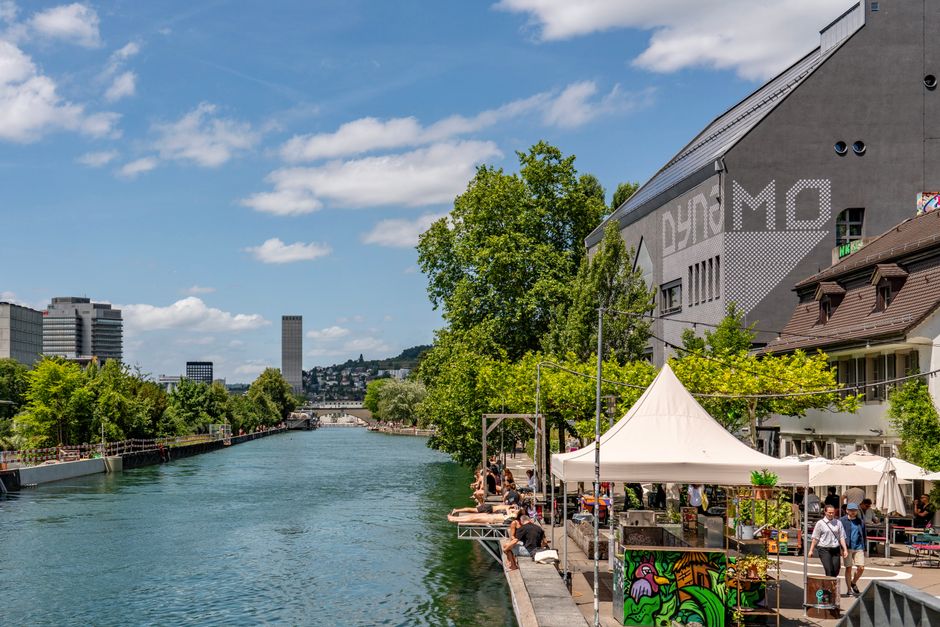
The infrastructure now supports this ecosystem visibly. Lakefront areas near Mythenquai have become gallery districts. The Zurich Fashion Week, relaunched in its current format since 2012, draws international buyers and press. Institutions like the Zurich University of Teacher Education and the School of Design at ZHDK (Zurich University of the Arts) pump out graduates who often launch their own ventures rather than leaving for Milan or Paris.
What distinguishes Zurich's approach is sustainability. Brands like EOOS and others operating here have embraced ethical production earlier than many peers—partly from cultural values, partly from proximity to Switzerland's strict labour standards. The average rental price for a designer studio space in the city runs between 1,200 and 2,000 Swiss francs monthly, significantly cheaper than comparable cities, yet still positioning the location as exclusive.
The narrative isn't uniformly triumphant. Rising property values threaten the affordable studio spaces that enabled earlier waves of designers. Younger creatives increasingly move to adjacent areas like Winterthur or Basel, seeking lower costs. Yet Zurich remains the undisputed nerve centre—a place where Switzerland's obsessive attention to detail meets cosmopolitan ambition.
As the city enters 2026, its fashion ecosystem continues evolving. The conversation now centres on how to preserve creative affordability while maintaining global relevance—a distinctly Zurich problem to have.
This article was compiled by AI from the sources linked above and screened before publishing. See our editorial standards.