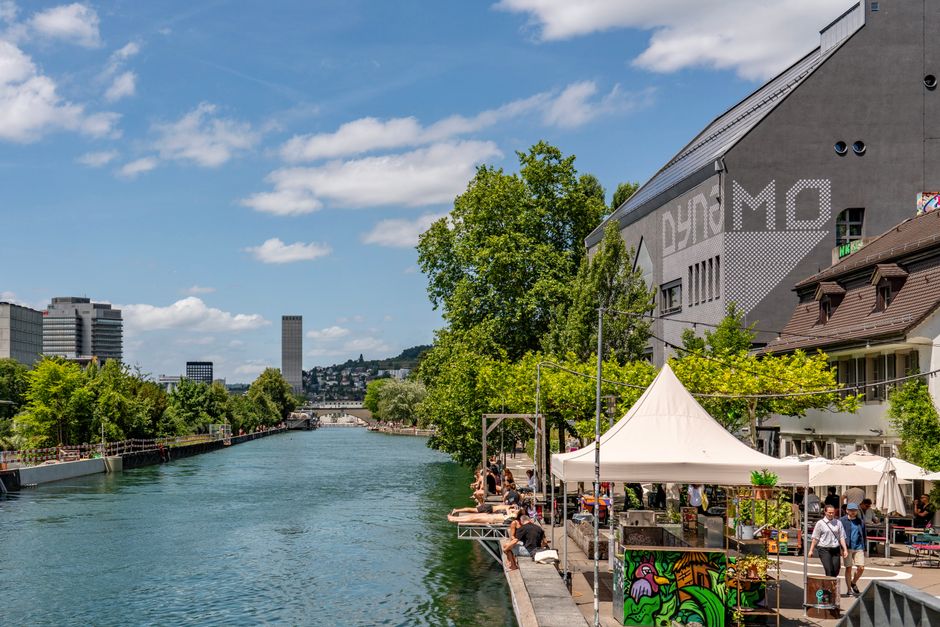
Walk through Zurich's Kreis 4 neighbourhood on any Friday evening and you'll notice something shifting. The polished fine-dining establishments that once dominated the city's culinary identity are sharing shelf space with cooperative kitchens, pop-up collectives, and producer-run venues where transparency isn't a marketing angle—it's the founding principle.
This transformation reflects a deeper movement reshaping how Zurich eats. Over the past three years, community-led food initiatives have grown by approximately 40%, according to the Zurich Chamber of Commerce. Venues like those clustered around Langstrasse and the Wiedikon district are pioneering a model that prioritises direct relationships between producers and consumers, rejecting the traditional intermediary structure that has long characterised Swiss hospitality.
The shift gained momentum during the pandemic, when restaurant closures forced a recalibration of priorities. Young chefs, many trained in Zurich's prestigious culinary schools, began asking fundamental questions about waste, labour, and access. Today, this isn't fringe thinking—it's becoming mainstream. Neighbourhood collectives now organise monthly communal dinners in spaces like the Rote Fabrik cultural centre, where meals function as political acts: they're priced on a sliding scale, feature exclusively regional suppliers within 100 kilometres, and deliberately rotate hosting duties among participating cooks.
What distinguishes this movement from typical restaurant trends is its organisational philosophy. Rather than celebrity chefs and heritage brands, leadership emerges from working groups focused on specific issues: seasonal sourcing networks, kitchen worker rights, food waste reduction, and accessibility for low-income residents. The Zurich Food Assembly, a collective purchasing platform that began informally in 2023, now connects over 800 households with 40 local producers—cutting out supermarket markups while guaranteeing farmers fair compensation.
The economics are revealing. While a three-course meal in Zurich's traditional fine-dining sector averages 120–180 CHF, community-run venues operate on 25–45 CHF per plate, funded through membership models and cooperative ownership structures. This isn't undercutting; it's reimagining the financial model entirely.
Established restaurants have taken notice. Several traditional establishments in the Altstadt and along the Limmatquai have begun integrating cooperative principles—sourcing through local networks, experimenting with nose-to-tail cooking, and hosting neighbourhood dialogues about food systems. It's not revolution, but evolution, driven by customers who increasingly view dining as an opportunity to participate in cultural and economic change rather than passively consume.
The question facing Zurich's restaurant community now is whether this movement can scale beyond its current bohemian strongholds into the mainstream without losing its grassroots character. Early signs suggest the answer depends on one thing: how seriously the broader hospitality sector takes community voices.
This article was compiled by AI from the sources linked above and screened before publishing. See our editorial standards.