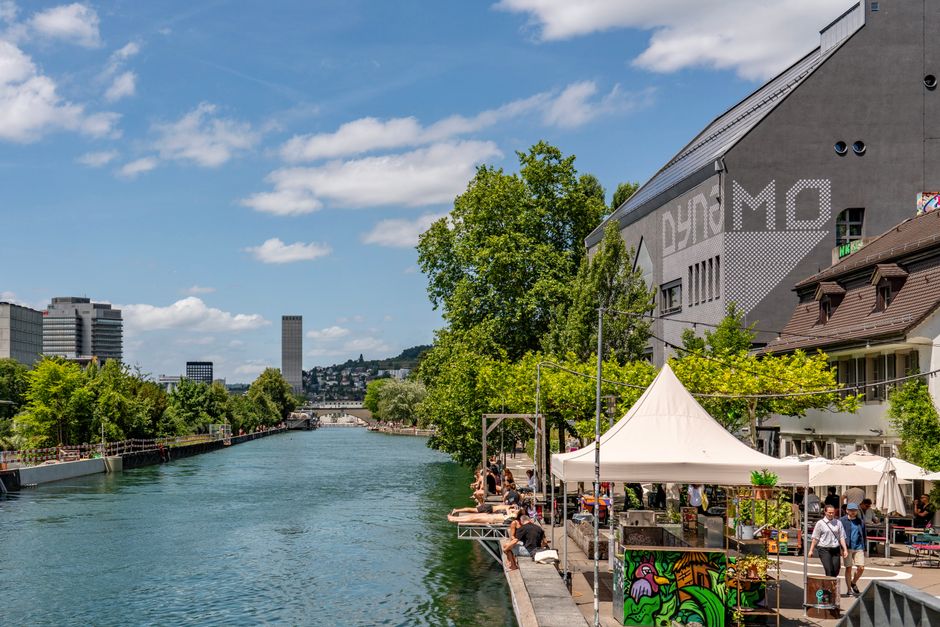
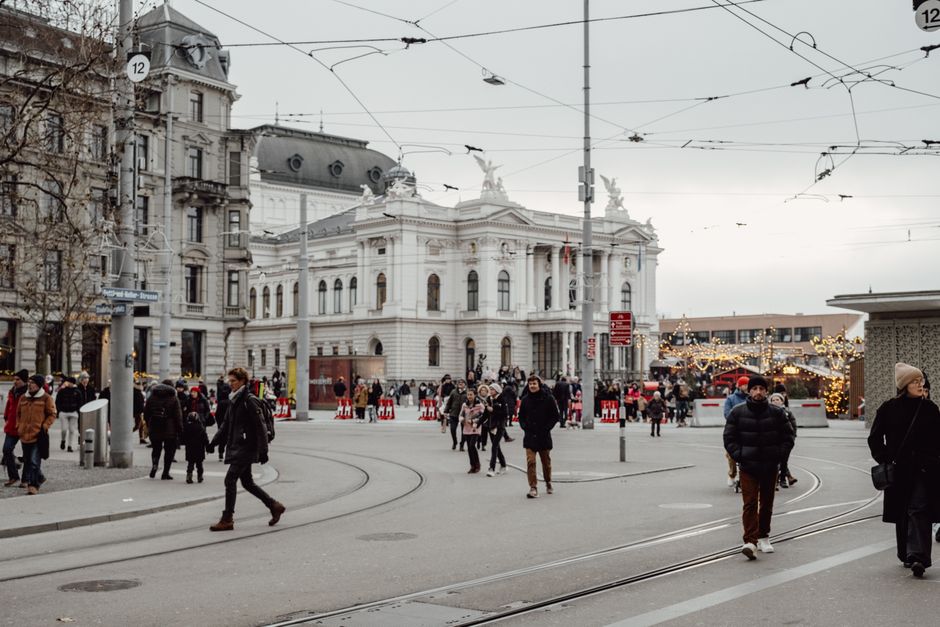
When the Corso Cinema opened on Bahnhofstrasse in 1913, Zurich's relationship with performance was still anchored to the grand opera traditions of the 19th century. Today, walking from the Schauspielhaus on Rämistrasse—where Brecht once directed—to the DIY performance spaces scattered across Zurich West, you encounter the DNA of a city that learned to balance classical heritage with radical experimentation.
The transformation wasn't linear. After World War II, as Zurich consolidated its role as a global financial hub, its cultural institutions grew more formal. The Opernhaus became an architectural landmark; ticket prices climbed. Yet something else was stirring. By the 1960s and 70s, a countercultural wave pushed back against this insularity. The Cabaret Voltaire's legacy in the Niederdorf—where Dada was born—found new echoes in smaller venues questioning what theatre could be.
The real seismic shift came in the 1980s and 90s, when entire neighbourhoods transformed. Wiedikon, traditionally working-class, became a magnet for independent theatres and filmmakers. Today, venues like Kino Riffraff operate on a collective model, screening experimental work and hosting community discussions that would have been unthinkable in the formal concert halls of the 1950s. Average ticket prices across independent venues hover around 15-18 CHF, compared to 80-120 CHF at the Opernhaus—a gap that matters for accessibility.
The digital age reshaped everything again. When the Zurich Film Festival launched in 2005, it wasn't meant to compete with Venice or Berlin, but rather to position Zurich as a space for conversation about cinema's future. The festival now draws over 100,000 visitors annually, and its influence extends beyond the festival grounds into year-round programming. Venues like Kino Xenix and the Lux cinema have become vital nodes in a distributed network of independent exhibition.
What's remarkable is how contemporary Zurich manages both poles simultaneously. The Schauspielhaus remains one of Europe's most prestigious theatres, with productions regularly touring to Berlin and Vienna. Meanwhile, unconventional spaces—repurposed warehouses in Zurich West, galleries in the Sihlfeld—host performances that challenge every assumption about what theatre should be.
This duality isn't tension; it's inheritance. Zurich's scene evolved precisely because it refused to choose between tradition and rupture. That legacy, playing out across lakeside venues and industrial spaces alike, defines a city where cinema and theatre remain genuinely alive.
This article was compiled by AI from the sources linked above and screened before publishing. See our editorial standards.