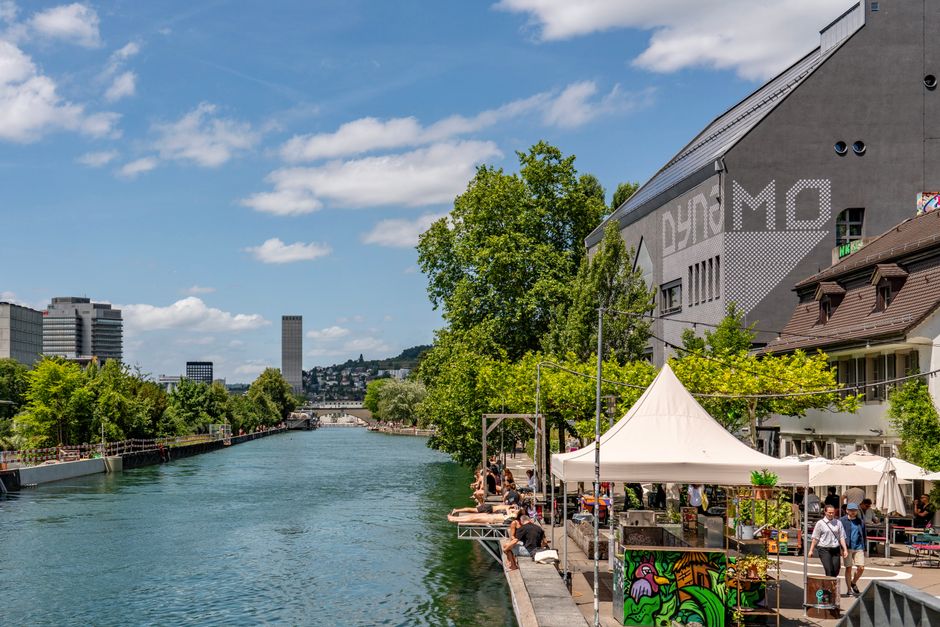
Walk through the Zurich West district today—past the converted industrial lofts on Hardturmstrasse and the gleaming contemporary spaces clustered around Limmatplatz—and you're witnessing the fruits of a cultural vision that took root in the 1990s. But this transformation didn't happen by accident. It was orchestrated by a determined cohort of gallerists, artists, and cultural organisers who saw potential where others saw only abandoned factories.
The story begins with the pioneering gallery owners who arrived when warehouse rents hovered around 2,000 francs monthly—unthinkable by today's standards, where comparable spaces command three times that figure. These early risk-takers established anchor venues like Kunsthalle Zurich and smaller independent galleries along the industrial corridors, creating the critical mass that would eventually attract collectors, tourists, and a new creative workforce.
"The infrastructure we built in the 2000s wasn't just about hanging art on walls," explains the curatorial community that emerged from these spaces. Their collective strategy involved securing long-term leases, collaborating with municipal authorities to rezone districts, and organising grassroots events—from First Friday gallery walks to artist-led open studios—that fostered genuine community engagement rather than top-down cultural programming.
Today, Zurich's gallery ecosystem includes over 140 registered contemporary art venues, with particular concentrations in Zurich West, the Wiedikon neighbourhood, and along the Limmat riverbanks. The Kunsthaus Zurich, housing one of the world's most significant collections, anchors the more established scene, while younger curators continue operating experimental spaces in less-developed quarters—mirroring the exact trajectory their predecessors pioneered.
Yet success has brought complications. Rising property values have displaced several mid-sized galleries; gentrification now threatens the bohemian character that enabled their founding. Rents that once attracted artists now price them out entirely. Current cultural operators acknowledge this paradox: the very people who built Zurich's international reputation increasingly cannot afford to remain.
This tension shapes today's cultural conversation. New initiatives focus on affordable studio space, cooperative gallery models, and deliberate efforts to prevent what happened in Berlin, Barcelona, and Brooklyn: the hollowing out of artistic communities by market forces. The architects of Zurich's gallery scene, now in advisory roles, are investing energy in ensuring the next generation of visionaries can create rather than merely survive in the city they helped transform.
This article was compiled by AI from the sources linked above and screened before publishing. See our editorial standards.