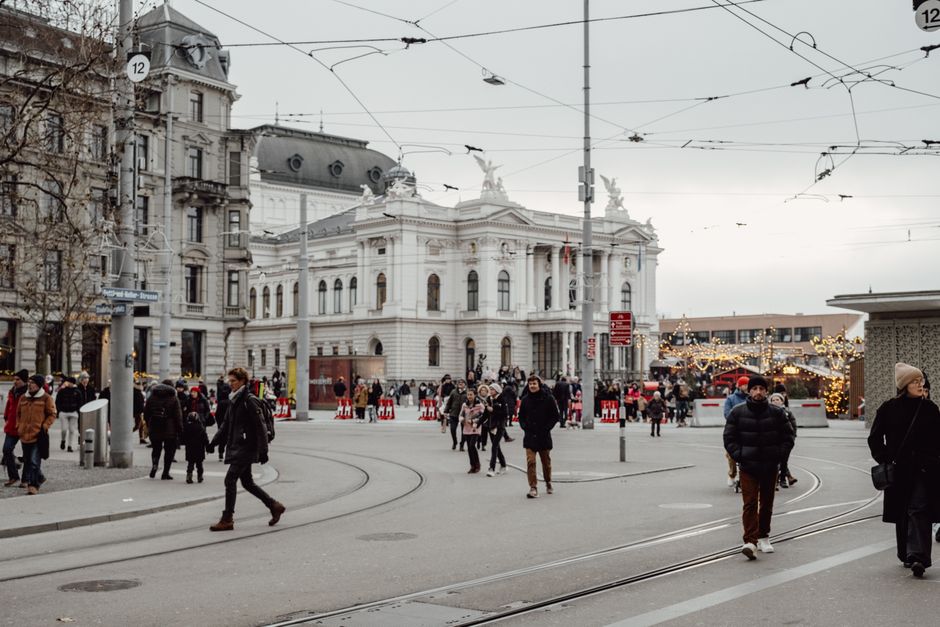
Walk down Europaallee on a Friday night and you'll encounter something distinctly Zurich: a city arguing with itself about who it wants to become. The old financial district hums with classical recitals at the Tonhalle, while a few blocks away in the gritty spaces around Zurich West, techno beats shake warehouse walls until dawn. This creative tension—between Switzerland's buttoned-up reputation and its underground artistic hunger—has never been more visible than it is now, playing out across a network of venues that have become the true measure of Zurich's cultural identity.
The numbers tell part of the story. According to the Zurich Tourism Board, live music venues now rank among the city's top three reasons visitors cite for their trips, surpassing traditional attractions. The sector generates an estimated 180 million francs annually for the local economy. But statistics miss what's really happening: these spaces have become where Zurich defines itself, culturally and politically.
Consider the contrast. The Tonhalle on Claridenstrasse remains the establishment's heartbeat, hosting world-class orchestras and attracting an older, affluent demographic. Yet simultaneously, venues like Kaufleuten in the Altstadt and the Rohstofflager in Wiedikon have become incubators for emerging Swiss talent and experimental performance. The Moods jazz club in Aussersihl draws packed crowds to intimate sets that cost 35-50 francs—accessible enough to feel democratic, yet serious enough to attract international acts.
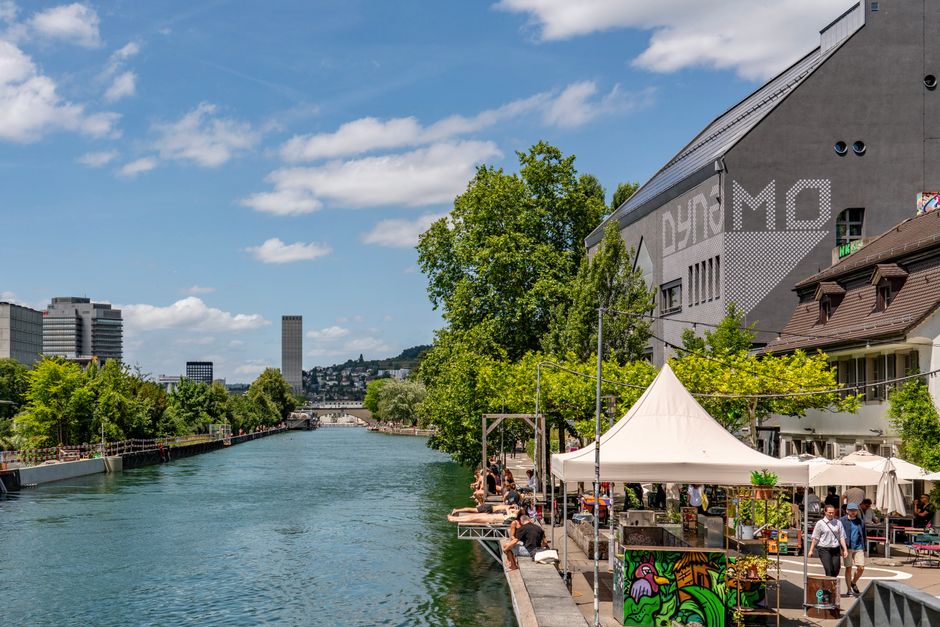
What's particularly striking is how these spaces have reshaped neighbourhood identity. Zurich West, once industrial wasteland, now thrives as a creative quarter partly because venues like Rohstofflager and Hive Club established themselves there first. The venues attracted artists, then galleries, then restaurants. Today, the neighbourhood is simultaneously gentrifying and resisting gentrification—a cultural paradox that venue owners and promoters navigate carefully.
The pandemic accelerated this identity shift. When lockdowns forced closure, something unexpected happened: the cultural sector became the voice of resistance against restrictions. Venue operators didn't simply comply; many became advocates, arguing that live music wasn't a luxury—it was essential infrastructure for Zurich's sense of self. This political assertiveness redefined how the city valued its creative spaces.
Today's Zurich is a city where live entertainment doesn't simply happen within designated entertainment zones. It's woven into the fabric of how neighbourhoods develop, how young people experience citizenship, and how the city competes globally for creative talent. The venues aren't just defining culture anymore. They're defining politics, economics, and urban identity itself. That's what makes Zurich's live music scene so urgent to watch.
This article was compiled by AI from the sources linked above and screened before publishing. See our editorial standards.