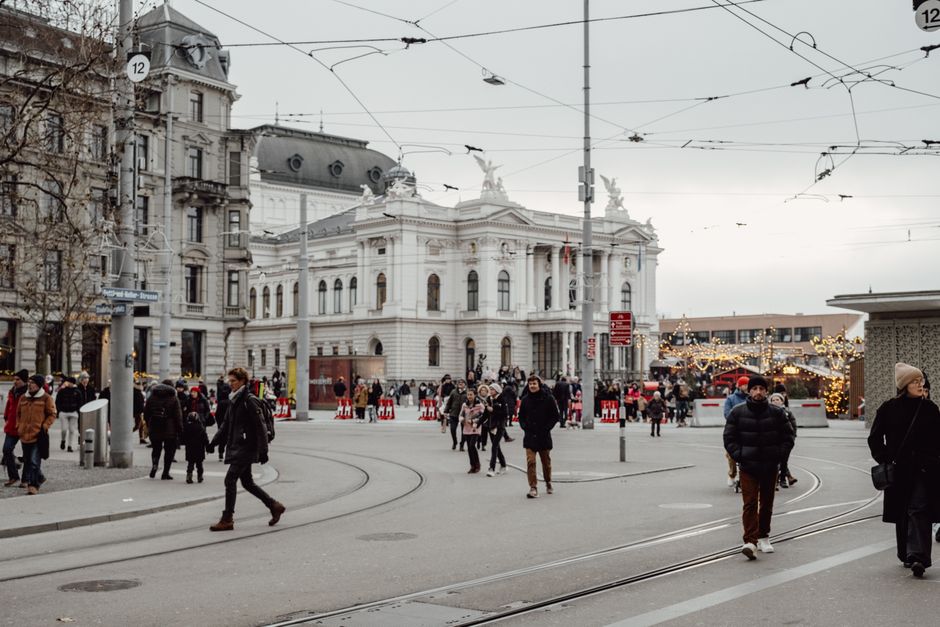
Zurich's transformation into a global arts destination wasn't inevitable. For much of the 20th century, the city's cultural identity remained firmly anchored to its financial institutions and industrial past. Yet over the past three decades, a deliberate reimagining of its gallery and museum infrastructure has positioned the city as an unexpected heavyweight in contemporary art.
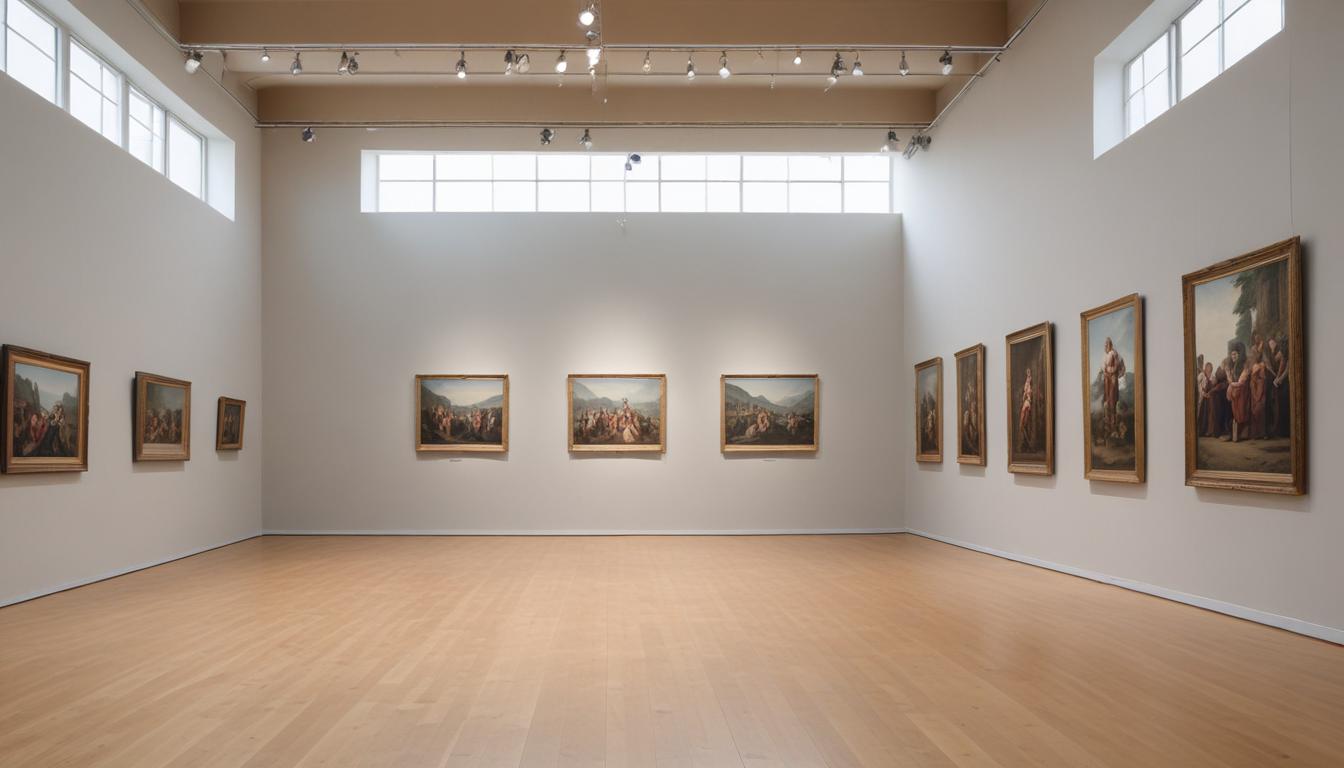
The Kunsthaus Zurich, which opened in 1910 on Heimplatz, set an early precedent. Originally a modest repository for Swiss art, it has evolved into a world-class institution. The 2021 extension—designed by David Chipperfield—nearly doubled its exhibition space and signalled Zurich's commitment to contemporary practice. Today, annual visitor numbers exceed 400,000, with entrance fees around 22 francs for adults reflecting the institution's premium positioning.
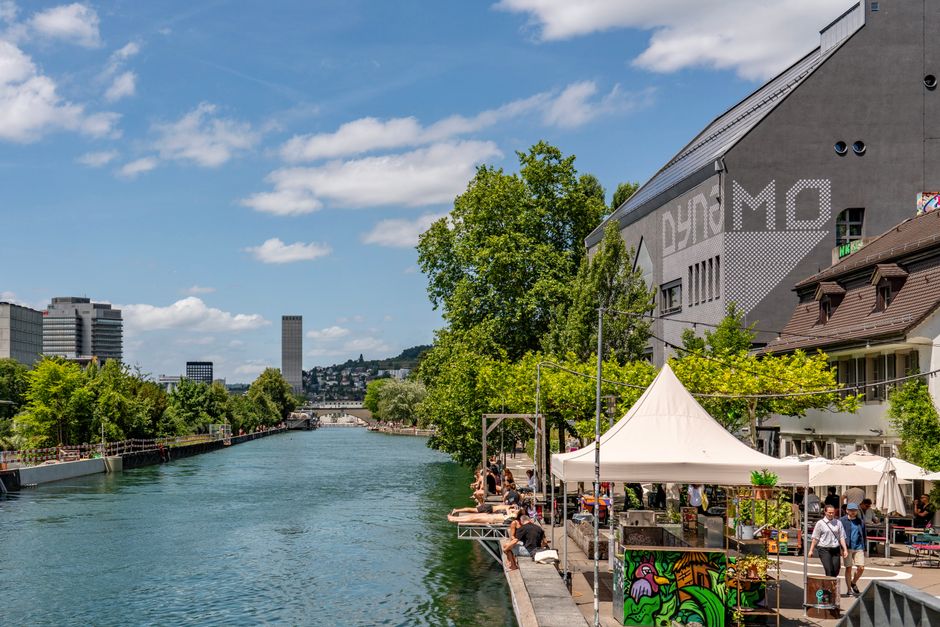
The real revolution, however, happened on the periphery. What was once industrial Zurich West—the gritty area around the former Escher Wyss machinery works—transformed dramatically after the mid-1990s. Galleries began colonising converted factory spaces along Hardturmstrasse and Geroldstrasse. Spaces like Kunsthalle Zurich, established in 1958 but revitalised during this period, became anchors for younger artists and experimental programming. Today, this neighbourhood hosts over 30 commercial galleries, making it arguably more vital than the traditional museum quarter.
The Museum of Fine Arts and the Swiss National Museum on Museumstrasse established a cultural corridor that anchors the city's east side, though the latter—Switzerland's largest museum—required significant 2016 renovations to maintain relevance. Meanwhile, smaller institutions like the Centre for Contemporary Art CCA have pushed boundaries, occupying converted spaces and challenging what museums can be.
Data tells an interesting story: Zurich's art fair sector has boomed. Art Basel's satellite fair, Volta, relocated here in 2023, joining established events like Scope and drawing significant international investment. The city now hosts approximately 45 significant commercial galleries, up from just 12 in 2000.
What distinguishes Zurich's evolution is its integration of heritage with innovation. Rather than abandoning institutional spaces, the city layered new programmes atop historical anchors. The Kunsthaus became more adventurous; Zurich West became a laboratory for experimental work; and neighbourhood galleries sprouted in Wiedikon and around Zurich-Altstetten.
Today, a visitor could spend weeks navigating this landscape—from Old Masters in neoclassical halls to cutting-edge installations in repurposed warehouses. That eclecticism, once unimaginable in buttoned-up Zurich, is now its defining strength.
This article was compiled by AI from the sources linked above and screened before publishing. See our editorial standards.