The Grassroots Revolution: How Zurich's Underground Movement is Reshaping Live Music
A decentralized network of artists, collectives and venue operators is democratizing the city's concert scene—and proving that intimacy trumps scale.
A decentralized network of artists, collectives and venue operators is democratizing the city's concert scene—and proving that intimacy trumps scale.
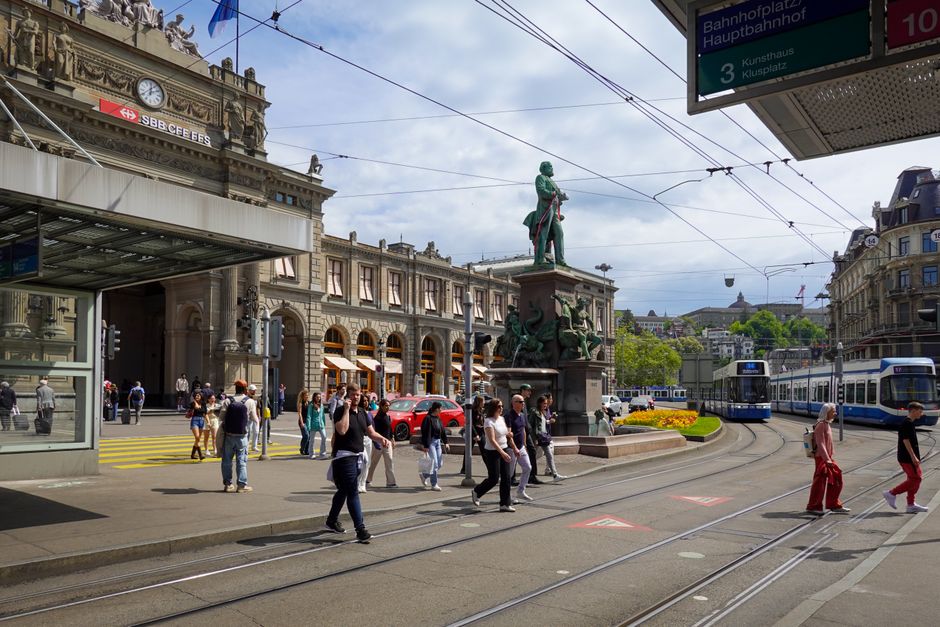
Walk down Langstrasse on any Friday night and you'll sense it: a palpable shift in how Zurich experiences live music. The transformation isn't happening at the Hallenstadion or the Kongresshaus. It's unfolding in converted warehouses, community spaces, and artist-run venues where a new generation of promoters and musicians are rejecting the gatekeeping model that defined the city's entertainment landscape for decades.
The movement crystallized around 2024, when a coalition of independent venues—including the long-established Gonzenbach collective in Wiedikon and newer spaces like the Sihlfeld artist residency—began coordinating programming across neighbourhoods. What started as informal networking has evolved into a visible ecosystem. Today, venues in Aussersihl, Kreis 5, and Altstetten collectively host more than 400 events annually, many charging between 15 and 25 francs at the door—a stark contrast to the 80+ franc tickets at larger commercial halls.
"We're not competing against each other," explains one organizer from the collective Zurich Independent Sound, speaking on background. "We're creating redundancy. If one venue is full, audiences know five others are hosting something worth their time that same night." This philosophy has drawn a younger demographic—data from local promoter networks suggests attendance under 35 has grown roughly 40% since 2023—alongside longtime experimental music enthusiasts who appreciate the curation.
The movement's real power lies in its decentralization. Rather than relying on major labels or established promoters, artists now build followings through Instagram collectives, WhatsApp groups, and monthly zine distributions at venues along Kanzleistrasse. Emerging electronic producers, folk ensembles, and post-punk bands find their first audiences in these spaces, then graduate to mid-size venues like Kaufleuten or Rohstofflager only if—and when—they choose.
City officials have taken notice. Zurich's culture department recently approved a three-year pilot program offering small grants to qualifying grassroots venues, acknowledging that this infrastructure matters to the city's identity. "Live music generates social cohesion," one alderman noted in a recent municipal briefing.
The movement isn't without friction. Rising rents threaten several venues, and tensions simmer between commercial operators and purists who view any corporate involvement as betrayal. Yet the momentum persists. What's emerging is a template: a self-sustaining network where community precedes commerce, where artists retain control, and where Zurich's music culture radiates outward from a thousand small stages rather than down from a handful of institutional gatekeepers.
This article was compiled by AI from the sources linked above and screened before publishing. See our editorial standards.
How does this story make you feel?
Spread the word
About this article
Published by The Daily Zurich
Daily brief
Free, in your inbox before 7am. Weekdays.
More in culture