Grassroots Collectives Are Reshaping Zurich's Performing Arts Scene
Independent artists and neighbourhood-led initiatives are challenging the city's traditional theatre establishment, creating a more accessible and experimental cultural landscape.
Independent artists and neighbourhood-led initiatives are challenging the city's traditional theatre establishment, creating a more accessible and experimental cultural landscape.
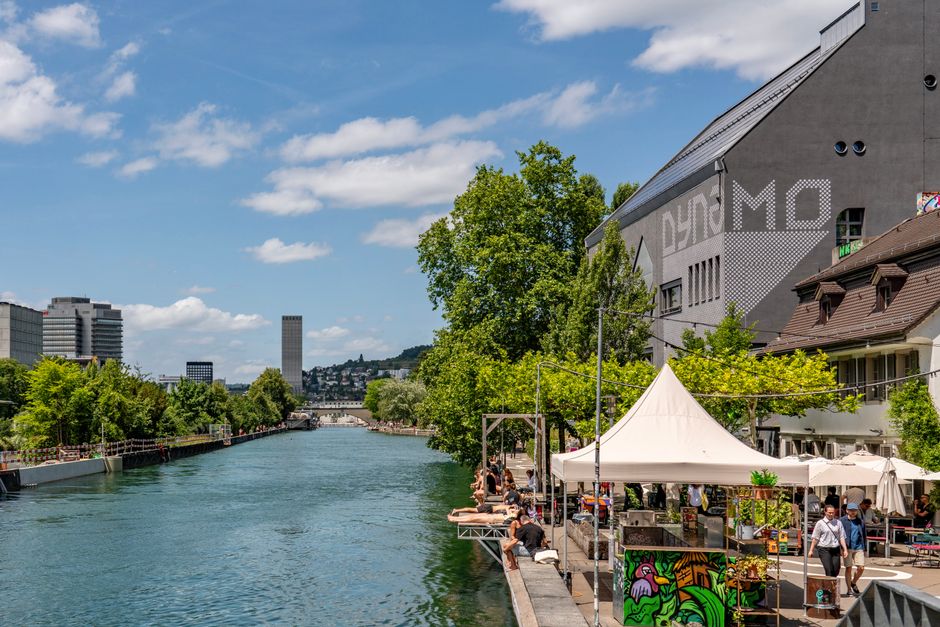
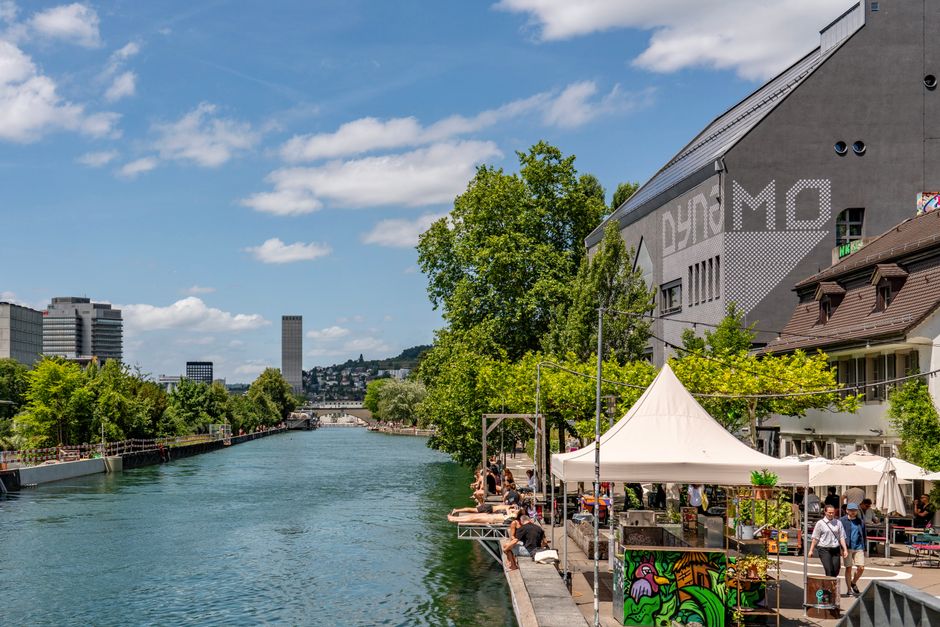
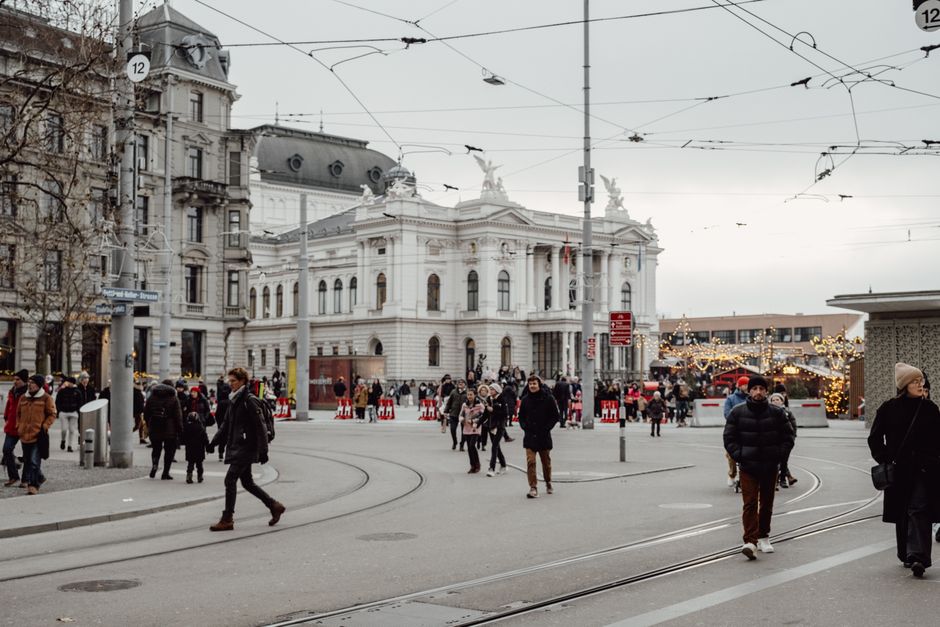
Walk through Zürich-West on any given Friday evening and you'll encounter something that would have seemed unlikely five years ago: packed audiences filing into converted warehouses and community centres for experimental theatre, independent film screenings, and collaborative performances. This isn't the grand productions of the Schauspielhaus or the polished offerings of the Opera House—this is a grassroots revolution reshaping how Zurich's creative communities present their work.
The shift is undeniable. Venues like Kaskadenkondensator in the Industriequartier and smaller spaces around Langstrasse have become incubators for independent artists frustrated by traditional gatekeeping structures. What began as informal artist collectives has evolved into a coordinated movement, with collective ticket prices often hovering between 20–30 CHF—roughly half the cost of mainstream theatre productions. For a city where cultural consumption has long remained the domain of wealthy patrons, this represents a fundamental democratization.
"The energy is in the margins," explains the programming philosophy behind Werkstatt Zurich, a collective that has organised over 60 performances across alternative venues since 2023. Their model—rotating locations, shared decision-making among members, and community-driven programming—has attracted younger audiences largely absent from traditional theatre districts.
This movement extends beyond performance. Independent film societies have proliferated across Zurich's neighbourhoods. The Altstetten Film Club, launched in 2024, now draws 150–200 viewers monthly to screenings in local Gemeinschaftszentren. Meanwhile, the Limmatstrasse Collective curates documentary and experimental cinema at venues that rarely hosted cultural events before.
Official institutions have noticed. The Stadt Zurich recently allocated additional cultural funding specifically for grassroots performance initiatives, recognising that engaging emerging demographics requires supporting independent infrastructure. Yet tensions remain: some traditionalists worry about quality control, while grassroots organisers bristle at what they perceive as tokenistic support.
The distinction matters. These aren't merely alternative venues—they represent a fundamental philosophical shift about who makes culture, who finances it, and who gets to decide what's worth experiencing. Young artists from immigrant backgrounds, LGBTQ+ creators, and politically engaged collectives have found platforms here that institutional gatekeepers long denied them.
By August 2026, at least twelve new independent theatre spaces are expected to launch across Zurich. Whether this growth transforms into sustainable infrastructure or remains a cultural moment depends largely on whether the community momentum can survive the city's relentless commercialisation pressures—and whether Zurich's cultural establishment ultimately embraces or resists what's emerging in its own streets.
This article was compiled by AI from the sources linked above and screened before publishing. See our editorial standards.
How does this story make you feel?
Spread the word
About this article
Published by The Daily Zurich
Daily brief
Free, in your inbox before 7am. Weekdays.
More in culture