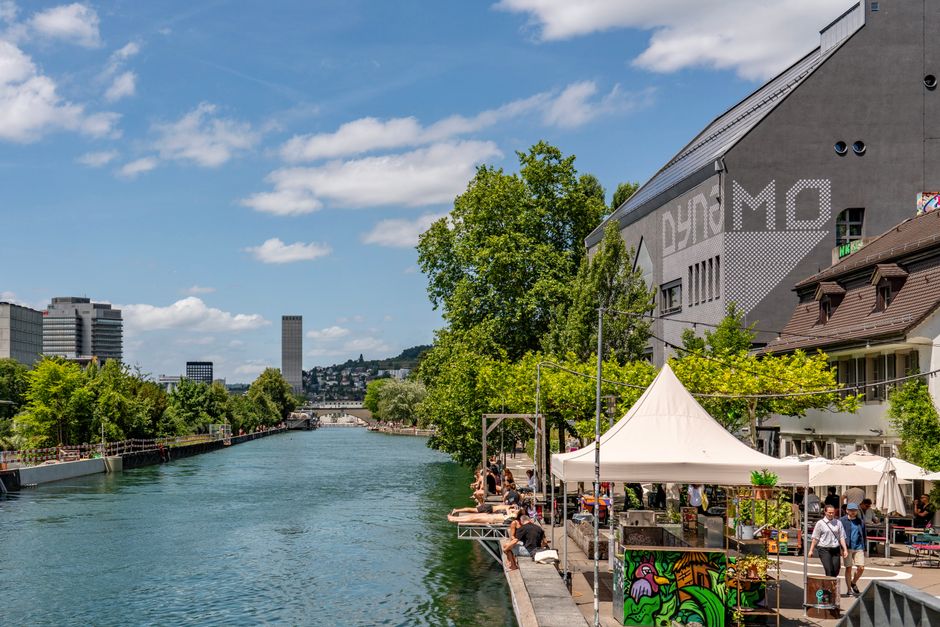
Walk down Netzihof in the emerging Zurich West district on any Friday evening, and you'll encounter a paradox that defines modern Zurich: industrial spaces humming with experimental electronic music, converted textile factories hosting everything from indie rock to avant-garde jazz, and a cultural appetite that rivals Berlin or Amsterdam.
The transformation is undeniable. Over the past decade, Zurich's live music infrastructure has evolved from a relatively conservative circuit centred on the Hallenstadion to a decentralised ecosystem of intimate venues, mid-sized clubs, and outdoor spaces that now shape how the city sees itself—and how the world sees Zurich.
The numbers tell part of the story. Venues like Kaufleuten in the city centre, X-Tra in Zurich West, and the recently renovated Rohstofflager have collectively hosted over 1,200 concerts and live events annually, drawing audiences that span locals, visiting musicians, and international fans. Ticket prices typically range from 25 to 70 Swiss francs for smaller acts, climbing to 150+ for established headliners at larger venues like the Volkshaus.
What's particularly striking is how these spaces have become cultural ambassadors. The city's live music scene now attracts touring musicians specifically because of its reputation for adventurous programming and engaged audiences. Venues along Langstrasse—historically Zurich's red-light district—have pivoted toward curated live events that draw young professionals and international residents who've helped transform the neighbourhood's identity.
But this isn't just about entertainment economics. The venues themselves have become architectural and social statements. The Rohstofflager's raw, minimalist design—preserving industrial bones while hosting contemporary performances—represents a broader Zurich ethos: old-world craftsmanship meets cutting-edge creativity. Similarly, Zurich's lakeside venues, including the Freiluftbühne at Strandbad Tiefenbrunnen, have democratised access to live culture, offering free or low-cost programming that appeals beyond affluent neighbourhoods.
For a city long defined by precision, discretion, and financial engineering, this cultural shift carries symbolic weight. Young creatives cite Zurich's live music scene as a reason to stay; venues report increasing numbers of emerging Swiss artists using them as launching pads for European tours. The Zurich Film Festival and Zurich Jazz Festival have expanded alongside this growth, creating a cultural calendar that now competes with traditional summer attractions.
The live music venues aren't simply entertainment infrastructure—they're rewriting Zurich's identity, transforming it from a city you come to for wealth management into one you visit for cultural vitality. That evolution, playing out night after night across warehouse floors and lakeside stages, may ultimately prove more defining than any banking tower.
This article was compiled by AI from the sources linked above and screened before publishing. See our editorial standards.