Walk through Zurich-West on a Saturday morning, and you'll encounter a landscape that barely existed fifteen years ago. Towering murals wrap around former factory walls, geometric abstractions stretch across warehouse facades, and stencilled figures peer from corners of Geroldstrasse and Hardturmstrasse. But this visual transformation didn't happen by accident—it emerged from deliberate choices made by artists, property owners, and city planners willing to take a calculated risk.
"Street art was always here," explains the Street Art Foundation Zurich, an organisation established in 2019 to document and legitimise the movement. "What changed was permission." That shift was crucial. In the early 2010s, Zurich-West was struggling with vacancy rates above 20% in its commercial spaces. Property managers faced a choice: weathered walls or managed creativity.
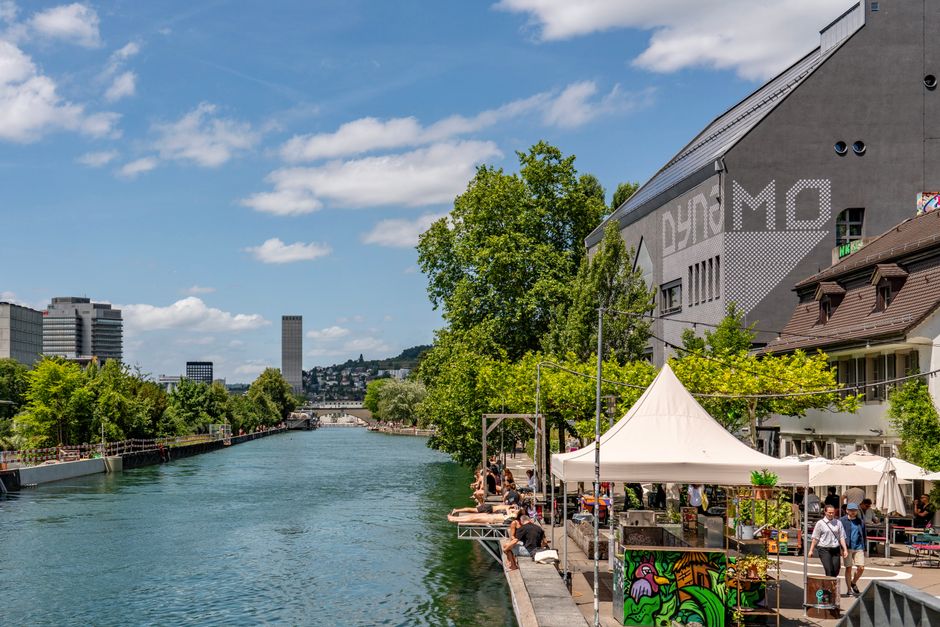
The catalyst came through partnerships between creative collectives and the Zurich City Council's urban development team. Rather than enforce zero-tolerance policies, officials designated specific zones—particularly around the Sihl River between Langstrasse and Badenerstrasse—as legal spaces for large-scale murals. Today, these districts attract an estimated 340,000 annual visitors to galleries, studios, and pop-up venues concentrated in the area.
Key players included local artists like the members of the Plastique Fantastique collective, who began their career decorating refuse bins before graduating to building-sized installations. Their 2018 redesign of the corner at Geroldstrasse 35 became a de facto landmark, drawing photographers and tourists. Simultaneously, the Zurich Mural Arts Initiative—a grassroots curatorial group—began coordinating with international street artists, bringing names like Buenos Aires-based artist Buenosairesstreetart and Berlin's Xoooox to Zurich for residencies.
Economically, the impact proved measurable. Rents in Zurich-West rose 18% between 2015 and 2023, though artists themselves struggled with affordability; the average studio space in the district now commands 3,200 CHF monthly. The city responded with subsidised artist studios through the Zurich Cultural Office, maintaining creative presence alongside gentrification.
Today, the street art districts represent something more complex than tourist attractions. They're living galleries where creative practitioners—muralists, graffiti writers, installation artists, and digital creators—continue to negotiate space, legality, and cultural meaning. The question facing Zurich now isn't whether street art belongs in the city. It's who gets to decide what comes next.
This article was compiled by AI from the sources linked above and screened before publishing. See our editorial standards.