From Underground Raves to Global Stages: How Zurich's Festival Scene Became a Cultural Powerhouse
Three decades of evolution have transformed a scrappy club culture into a world-class calendar that draws half a million visitors annually.
Three decades of evolution have transformed a scrappy club culture into a world-class calendar that draws half a million visitors annually.
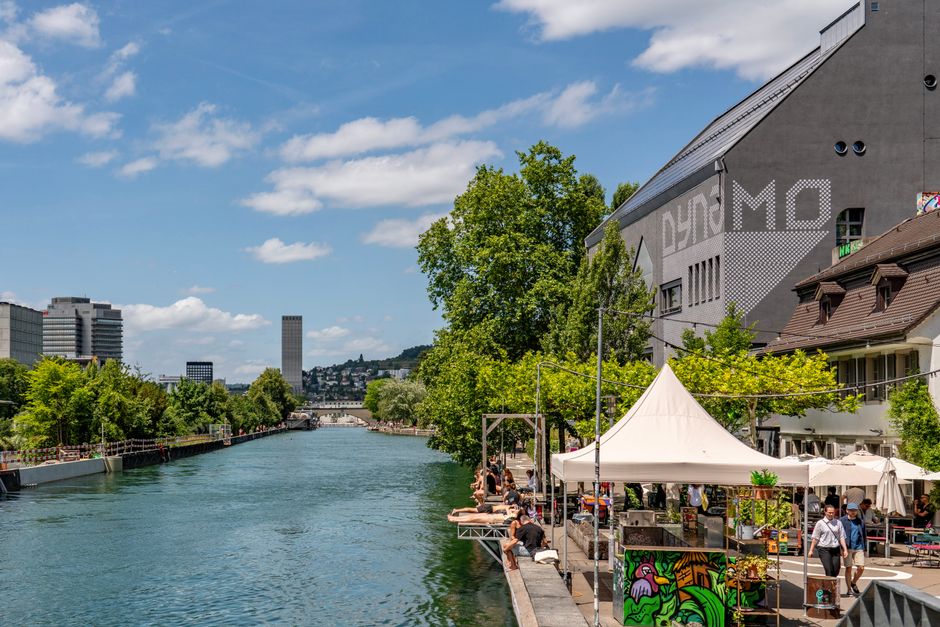
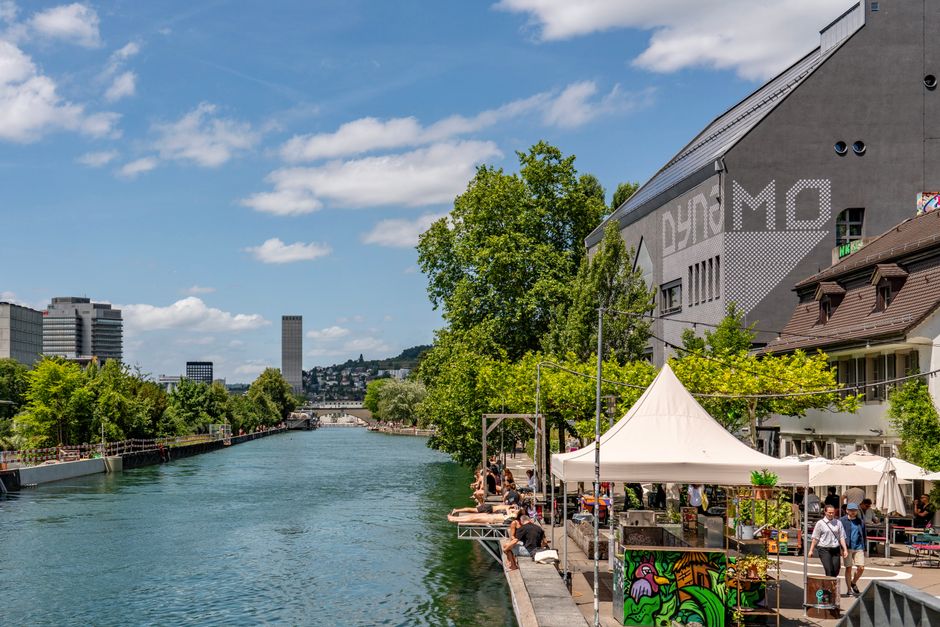
Walk through Zurich's Industriequartier on any summer evening and you'll encounter a landscape transformed. Three decades ago, the neighbourhoods around Langstrasse and the former factory zones were considered marginal—places where underground promoters and artists carved out spaces in abandoned warehouses. Today, that same spirit powers one of Europe's most respected festival ecosystems.
The shift didn't happen overnight. In the early 1990s, Zurich's cultural infrastructure was dominated by classical institutions: the Tonhalle, the Opera House, the major galleries along Rämistrasse. Street culture existed almost in opposition to this establishment, with techno collectives throwing illegal raves in disused industrial spaces. The 1995 "Zurich Loves You" movement—a grassroots push for cultural freedom—marked a turning point, legitimising experimental venues and outdoor events.
By 2000, the city had begun investing strategically. The Zurich Festival (Zürich Fest) expanded beyond classical programming. Smaller, specialist festivals emerged: Street Parade evolved from an underground rave into Europe's largest techno event, drawing nearly 900,000 visitors across its three-day run. Fringe festivals sprouted in Kreis 5 neighbourhoods. The Zürcher Filmfestival found its identity. By 2010, over 40 major festivals dotted the annual calendar.
What distinguishes Zurich's evolution is integration rather than segregation. The city council—shifting its approach under pressure from cultural advocates—began funding grassroots events while maintaining prestige programming. Venues like Kaufleuten and Rohstofflager became legitimate cultural anchors. Neighbourhood associations partnered with promoters. Street Parade negotiated formal permits instead of operating outside law.
Today's calendar reflects this history. Ticket prices range from free (many neighbourhood street festivals) to €250+ (premium Zurich Fest performances). The economic impact exceeded 1.2 billion francs in 2024, according to city tourism data. Yet the DIY ethos persists: Kreis 5 still hosts experimental theatre collectives; underground electronic music thrives alongside mainstream programming.
The evolution mirrors larger cultural tensions. How do cities balance commercial viability with artistic authenticity? Professionalization with grassroots energy? Zurich's answer—uncomfortable compromise—remains imperfect. Longtime artists argue gentrification has sanitised the grit; city officials counter that legitimacy has expanded access exponentially.
What's clear: the scrappy warehouse culture that defined 1990s Zurich didn't disappear. It evolved, professionalised, and became the framework through which millions now experience the city. That transformation—from underground necessity to institutional architecture—is Zurich's distinctive festival story.
This article was compiled by AI from the sources linked above and screened before publishing. See our editorial standards.
How does this story make you feel?
Spread the word
About this article
Published by The Daily Zurich
Daily brief
Free, in your inbox before 7am. Weekdays.
More in culture