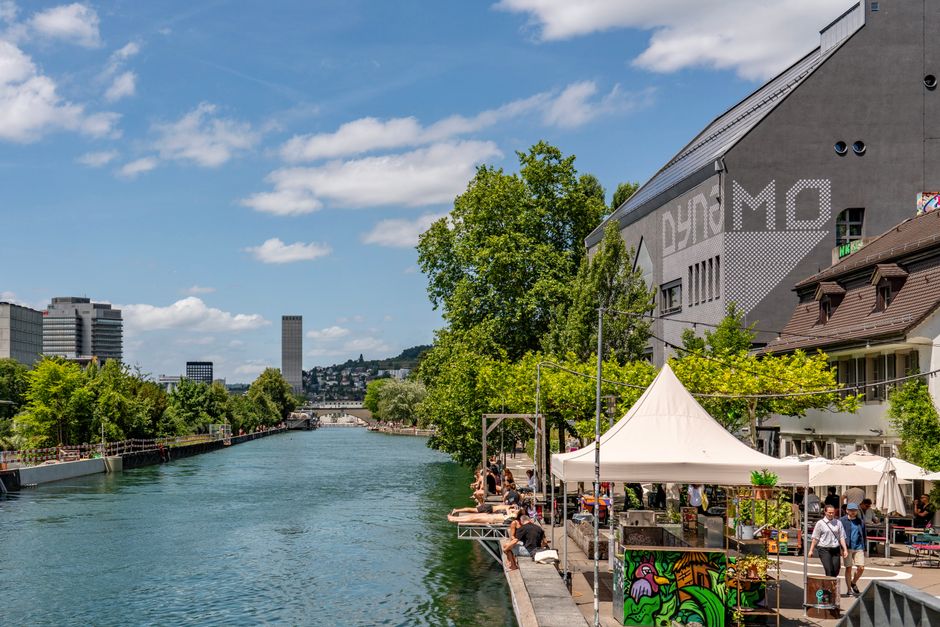
Walking through Zurich's Aussersihl district today, it's difficult to imagine the neighbourhood as it was thirty years ago—a gritty zone of abandoned factories and industrial decay. Yet it was precisely here, in spaces like the former textile warehouses along Geroldstrasse, that Zurich's most vital cultural impulses took root. The evolution of this scene tells a deeper story about how a prosperous Swiss city negotiated tradition and innovation, insularity and global ambition.
The 1980s and 1990s marked a pivotal shift. As manufacturing declined, artists and musicians occupied cheap studio space in the city's industrial periphery. Venues like Rote Fabrik—literally a former red-brick factory converted into a cultural laboratory—became incubators for electronic music, performance art, and experimental theatre that would eventually influence international aesthetics. Today, Rote Fabrik receives over 150,000 visitors annually and operates as a non-profit foundation, but its DNA remains rooted in that DIY ethos.
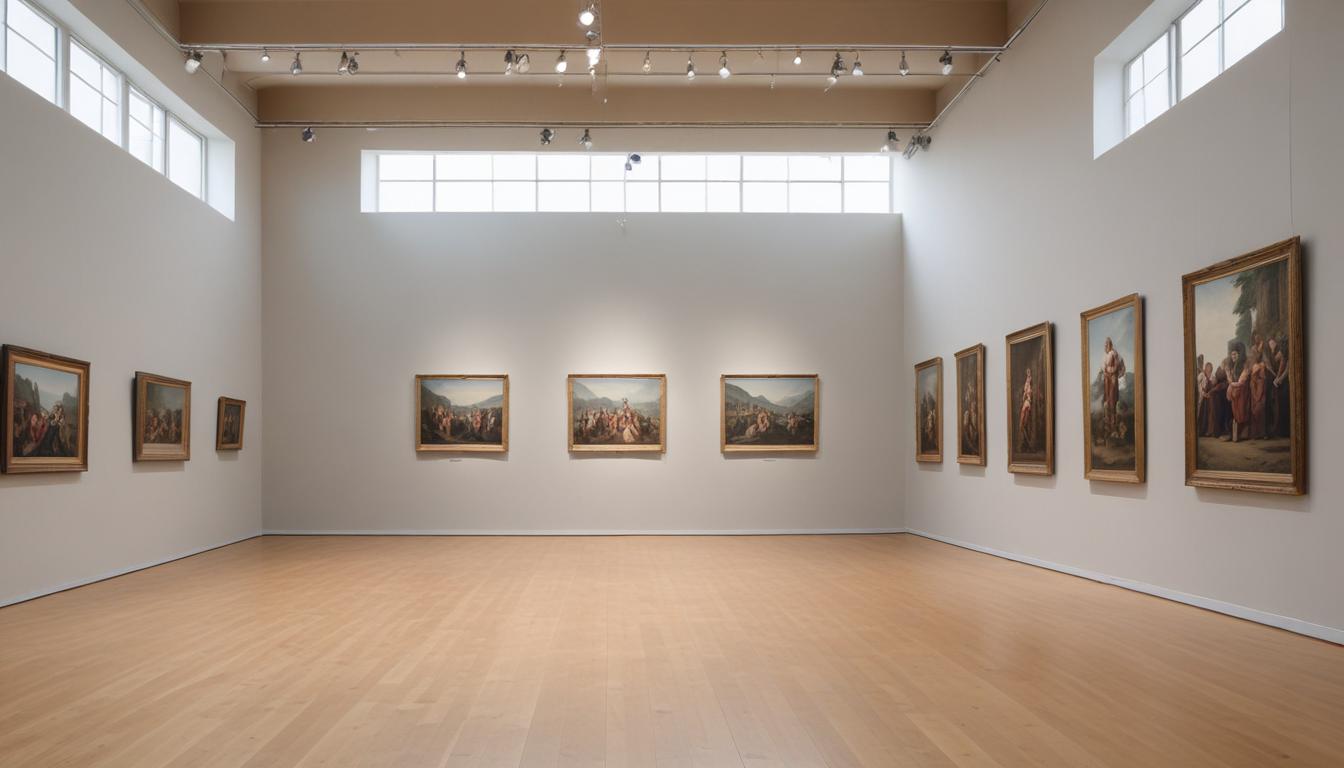
The institutional response proved surprisingly enlightened. Rather than bulldoze these zones for luxury development, Zurich's cantonal government invested strategically in cultural infrastructure. The Museum of Fine Arts underwent major expansions in 2007 and 2019, now attracting 400,000 visitors yearly. The Kunsthaus Zurich, already world-class by the 1990s, doubled down on contemporary work. But the real innovation came in neighbourhood-level intervention: subsidised studio spaces, municipal support for independent galleries, and protected zones in Wiedikon and Kreis 5 that prevented speculative gentrification.
This institutional-grassroots partnership created something unusual: a sustainable creative economy without complete commercialisation. Unlike Berlin or Barcelona, where cultural cachet attracted property speculation that priced out artists, Zurich maintained affordable ateliers. Today, studio rent in converted factory spaces remains substantially lower than commercial real estate—a deliberate policy choice that costs the city approximately 8-12 million CHF annually in foregone tax revenue.
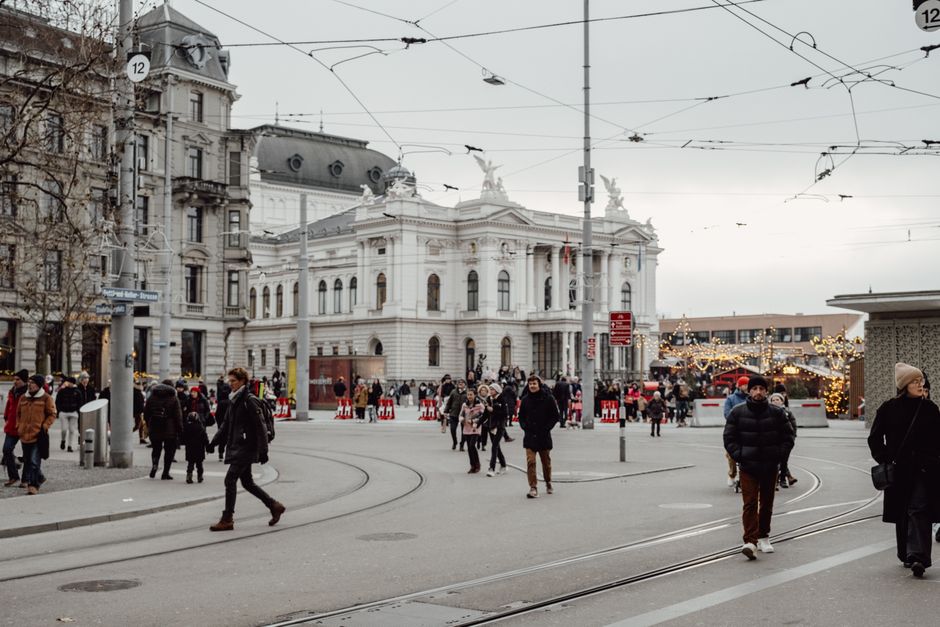
The global dimension accelerated after 2000. Zurich-based curators, designers, and musicians gained international prominence. The Bahnhofstrasse, historically Switzerland's premier shopping boulevard, became flanked by galleries and independent boutiques reflecting this exported sensibility. Parallel to this, immigration patterns—particularly from the Balkans, Latin America, and Asia—infused the scene with new perspectives that complicated Zurich's historical homogeneity.
Today's scene represents an equilibrium: commercially viable yet maintaining marginal spaces, globally influential yet rooted in specific geography. Walking Geroldstrasse now reveals both contradiction and coherence—galleries beside studios beside restaurants, all operating within a framework built by decisions made decades earlier. This is Zurich's cultural paradox: a deeply planned city that succeeded in preserving the conditions for spontaneity.
This article was compiled by AI from the sources linked above and screened before publishing. See our editorial standards.