How Grassroots Collectives Are Reshaping Zurich's Summer Festival Calendar
Independent organizers across the city are wresting control of cultural programming from traditional institutions, creating a more diverse and inclusive events landscape.
Independent organizers across the city are wresting control of cultural programming from traditional institutions, creating a more diverse and inclusive events landscape.
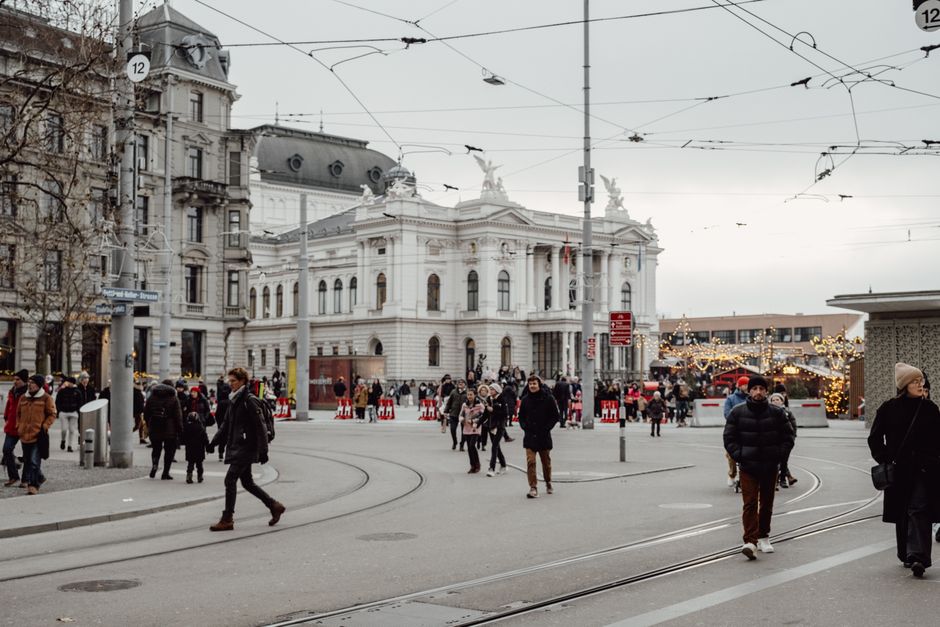
Walk along Langstrasse on any Friday evening this July, and you'll notice something has shifted in Zurich's cultural rhythm. Where corporate-sponsored galas once dominated the summer calendar, neighbourhood collectives now orchestrate everything from underground techno nights in Wiedikon warehouses to multilingual poetry readings in Kreis 5 community gardens. This grassroots movement is fundamentally rewriting how the city celebrates itself.
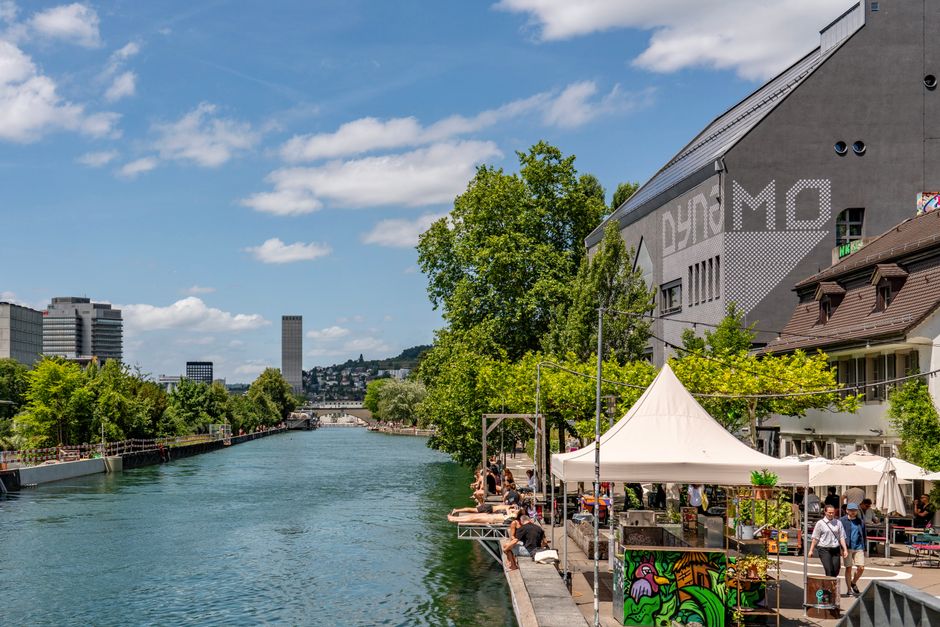
The transformation accelerated during the pandemic and has only gathered momentum. According to data from the Zurich Events Association, independent cultural groups now organize approximately 40 per cent of the city's summer programming—up from just 12 per cent in 2019. Organizations like Collective Kraftfeld, based in a converted factory space near Zurich West station, and the volunteer-run Kino Nachtluft series have become the unofficial curators of a younger, more politically conscious Zurich.
"People were tired of the same formula," explains a representative from Kraftfeld, which coordinated this year's June Festival of Resistance—a three-week experimental arts programme that drew over 8,000 participants despite minimal marketing budget. "Zurich's traditional institutions, however excellent, weren't reflecting the actual diversity of who lives here now."
The shift is evident across the city's neighbourhoods. In Aussersihl, the monthly Strasse Forum street markets—organized by rotating collectives of artists, migrants, and activists—have become platforms for cultural exchange rather than consumption. Ticket prices hover around 15 CHF, deliberately kept accessible. Meanwhile, in Wiedikon, the summer programme of Raum für Bewegung (literally "space for movement") balances contemporary dance with community workshops, attracting both culturally engaged locals and curious newcomers.
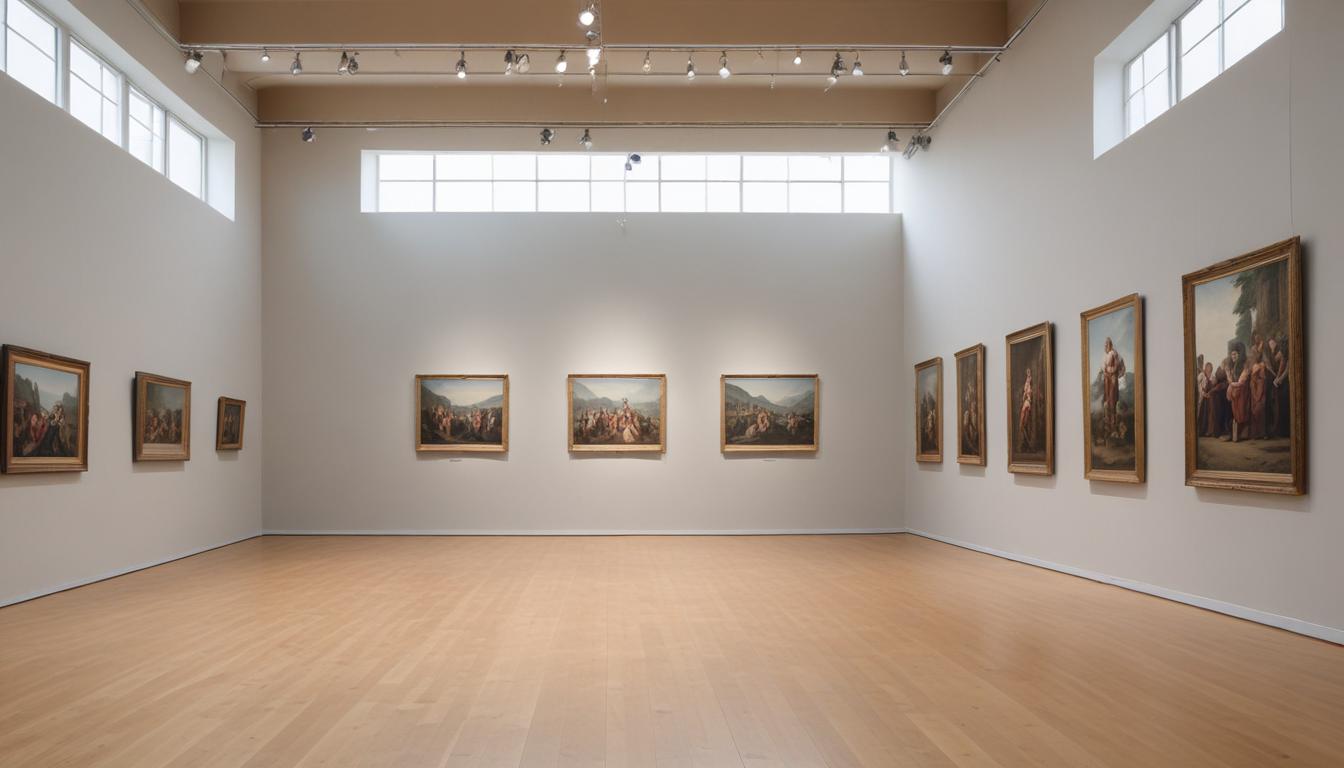
This isn't simply a story of youth rebellion against establishment culture. Many of these collectives deliberately partner with established venues like Schauspielhaus and Museum Haus Konstruktiv, creating hybrid models where institutional resources meet independent vision. The arrangement has proved mutually beneficial: established venues report younger, more diverse audiences, while collectives gain access to technical infrastructure and funding pathways previously closed to them.
The movement reflects broader demographic changes. Zurich's population is increasingly international—roughly 35 per cent foreign-born—yet the city's official cultural calendar hadn't fully caught up. Grassroots organizers identified this gap and filled it with festivals celebrating Cape Verdean music, Afghan cinema, queer nightlife, and experimental performance art.
As summer unfolds across the city's parks and streets, one thing is clear: Zurich's cultural future is being written not in boardrooms but in the passionate, often exhausting efforts of volunteers and independent artists who believe the city's festivals should reflect the world it actually contains.
This article was compiled by AI from the sources linked above and screened before publishing. See our editorial standards.
How does this story make you feel?
Spread the word
About this article
Published by The Daily Zurich
Daily brief
Free, in your inbox before 7am. Weekdays.
More in culture