From Cabaret Cellars to Global Stages: How Zurich's Theatre Scene Became a Cultural Powerhouse
Over a century of artistic risk-taking has transformed the city's performing arts landscape from intimate underground venues to world-class institutions.
Over a century of artistic risk-taking has transformed the city's performing arts landscape from intimate underground venues to world-class institutions.
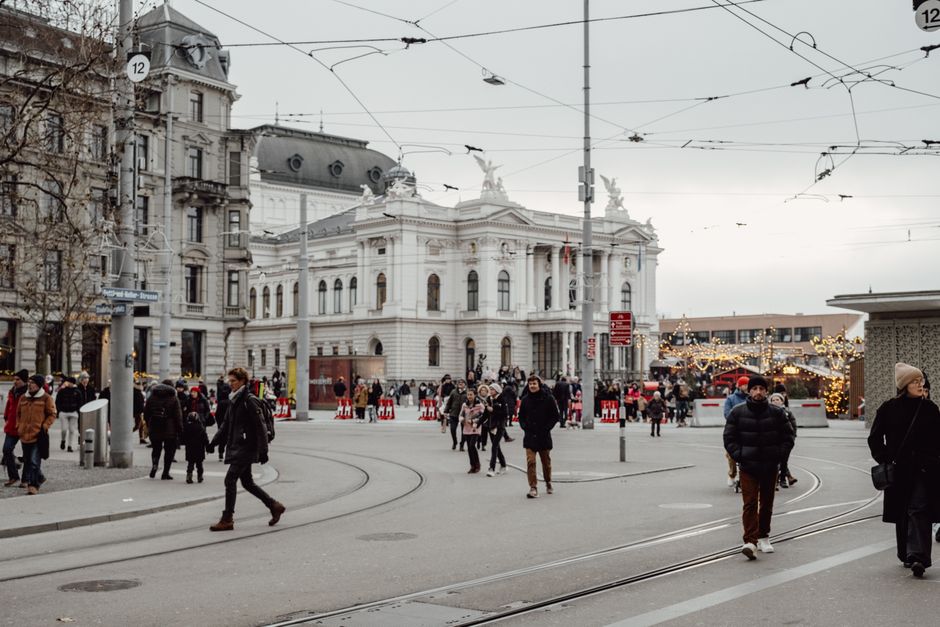
Walk down Rämistrasse on any given evening, and you'll pass three major theatres within a fifteen-minute stroll. This concentration of cultural institutions didn't emerge by accident. Zurich's theatre and performing arts scene represents one of Europe's most deliberate evolutions—from bohemian experimentation to institutional legitimacy.
The story begins in the early 1900s, when avant-garde artists and intellectuals fled the bloodshed of World War I and found refuge in Zurich's neutral territory. The Cabaret Voltaire, established in 1916 in the Altstadt, became the birthplace of Dada, an anti-art movement that would reshape European culture. Though the original venue closed decades ago, its legacy permeates the city's commitment to radical artistic expression. Today, that spirit lives on in experimental spaces like Kwerk and Shedhalle, which together programme over 400 events annually.
The mid-twentieth century marked Zurich's transformation into an institutional power. In 1964, the Zurich Schauspielhaus on Rämistrasse became a beacon for German-language theatre, attracting world-class productions and developing a reputation for bold, contemporary work. By the 1980s, the city had consolidated its position as a major European arts hub, with the Opernhaus establishing international opera standards and the Tanzhaus Zurich pioneering new choreographic voices.
Today's landscape reflects this layered history. The Schauspielhaus remains one of Europe's most influential playhouses, with a budget exceeding CHF 37 million annually. Yet the scene has democratised significantly. The emergence of the Autonome Zentrum and squatter-led performance spaces in the 1980s and 90s ensured that artistic experimentation wasn't confined to subsidised institutions. The Rote Fabrik in Wollishofen continues this tradition, hosting interdisciplinary performances that deliberately challenge mainstream audiences.
Current data reveals a scene in robust health. The Zurich Film Festival, launched in 2005, attracts over 150,000 visitors annually and has become one of Europe's leading international platforms for cinema. The Filmpodium and Kino Xenix maintain programming standards that resist commercial homogenisation. Meanwhile, ticket prices remain relatively accessible—a typical Schauspielhaus production costs between CHF 25 and 90.
What distinguishes Zurich's trajectory isn't merely institutional success, but the tension it maintains between challenge and accessibility. From the Dadaists who rejected bourgeois values to today's independent collectives, the city has perpetually asked: how do artists remain culturally vital within a wealthy, conservative metropolis? The answer, it seems, lies in honouring experimentation while building institutions robust enough to sustain it.
This article was compiled by AI from the sources linked above and screened before publishing. See our editorial standards.
How does this story make you feel?
Spread the word
About this article
Published by The Daily Zurich
Daily brief
Free, in your inbox before 7am. Weekdays.
More in culture