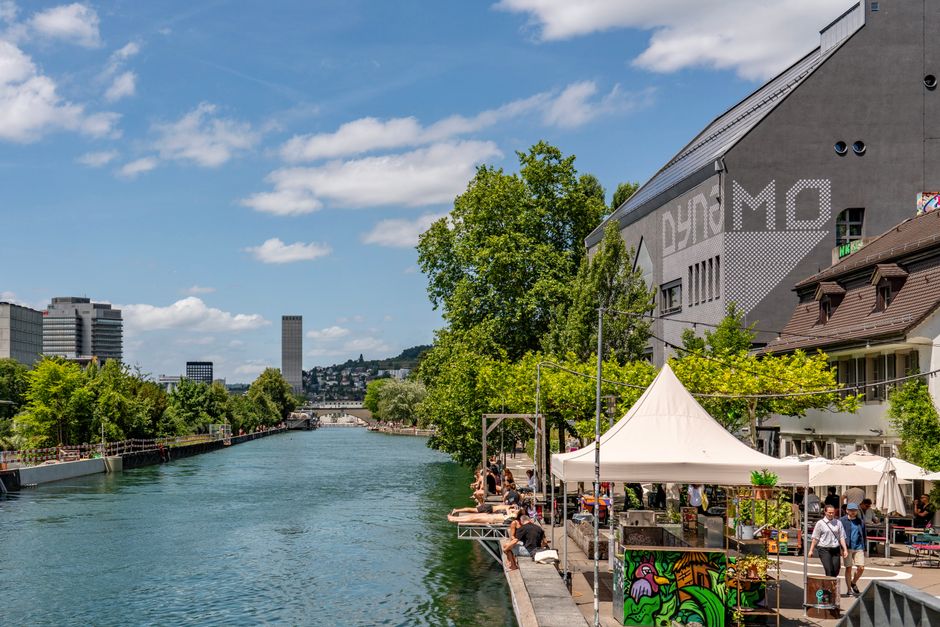
Walk down Förrlibuckstrasse in Wiedikon on a Thursday evening and you'll notice something has shifted in Zurich's cultural landscape. Where gallery openings once meant heading to the Kunsthaus or settling into the polished white-cube spaces around Bahnhofstrasse, the city's art conversation has migrated decidedly south—to converted warehouses, shared studios, and intimate independent galleries that are taking genuine creative risks.
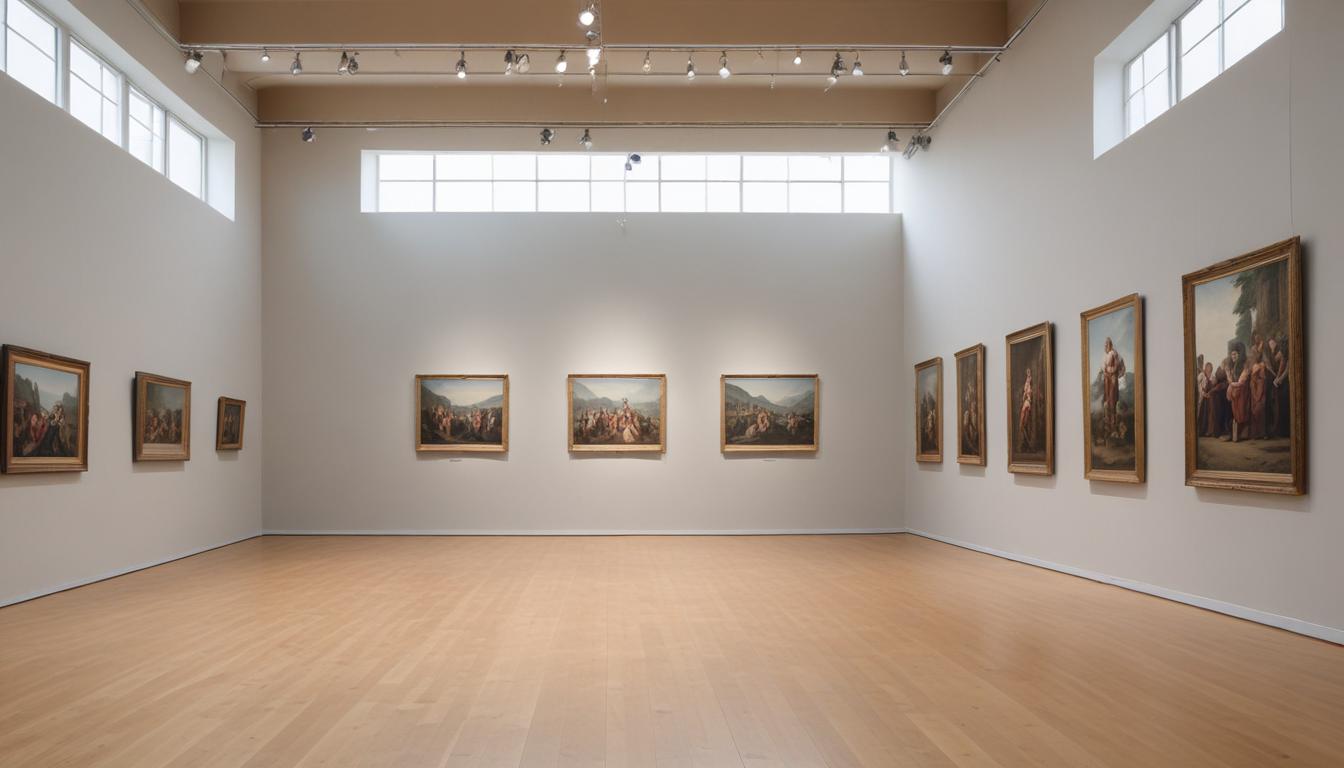
This summer marks a turning point. The Kunstmuseum Zurich's recent €18 million renovation has been met with appreciation but also a curious local sentiment: relief that the energy hasn't entirely followed the establishment. Instead, younger curators and emerging artists have seized the moment. The cluster of experimental spaces within a five-minute radius of the Wiedikon S-Bahn station—including newly activated project rooms in former textile factories—are hosting shows that feel urgent in ways the bigger institutions sometimes struggle to achieve.
"There's a permission structure breaking down," explains the ethos permeating spaces like those found along Schimmelstrasse, where three separate artist-run initiatives have opened within the past eighteen months. Unlike the Kunsthalle's carefully vetted programming or the Zurich Kunsthaus's blockbuster approach, these venues are exhibiting work that would likely stall in acquisition committees elsewhere: experimental video installations exploring migration narratives, textile works responding to global supply chains, sound pieces engaging with urban anxiety.
Attendance data tells the story. While foot traffic at major downtown galleries remained relatively flat through spring 2026, the independent sector reported 40-60% increases in visitors between April and June. Exhibition opening nights in Wiedikon now regularly draw 200-300 people—remarkable for spaces with 800-square-metre capacities. A single show exploring post-industrial labour and Zurich's own manufacturing past drew an unexpectedly cross-generational crowd.
The phenomenon reflects something broader about Swiss cultural life right now. As global uncertainty makes headlines (refugee crises, pandemic aftershocks, economic volatility), local audiences seem drawn to art that engages with these realities directly rather than aestheticising them. The old separation between "serious" institutional art and scrappy independent work feels increasingly quaint.
For locals, it's created an unusual moment of genuine cultural ferment. Zurich's gallery scene, historically dominated by conservative wealth and refined taste-making, is being remade by artists and curators who simply couldn't wait for permission. The conversation has moved from what's hanging in the official spaces to what's happening in Wiedikon—and that shift itself is the story everyone's actually talking about.
This article was compiled by AI from the sources linked above and screened before publishing. See our editorial standards.