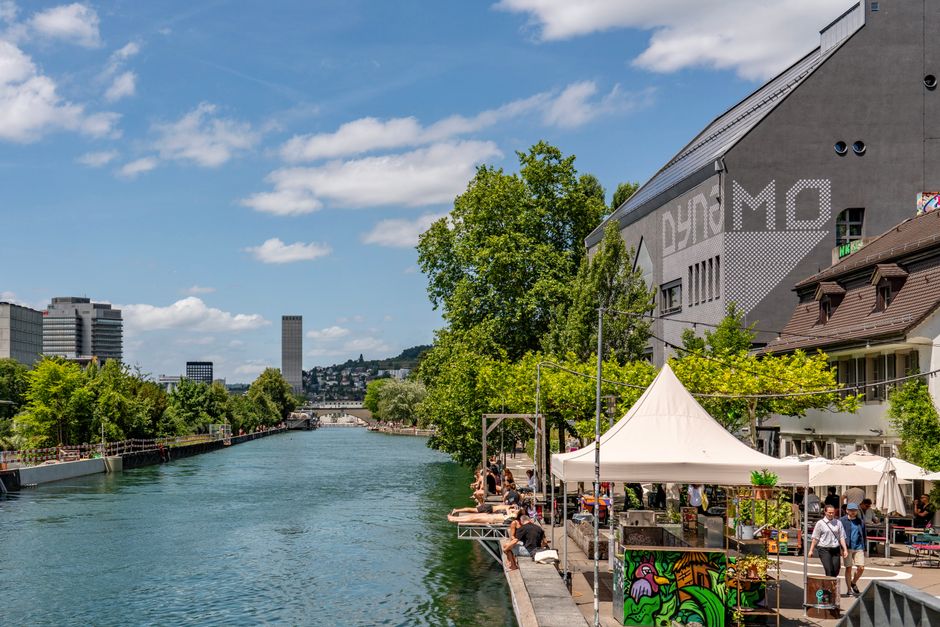
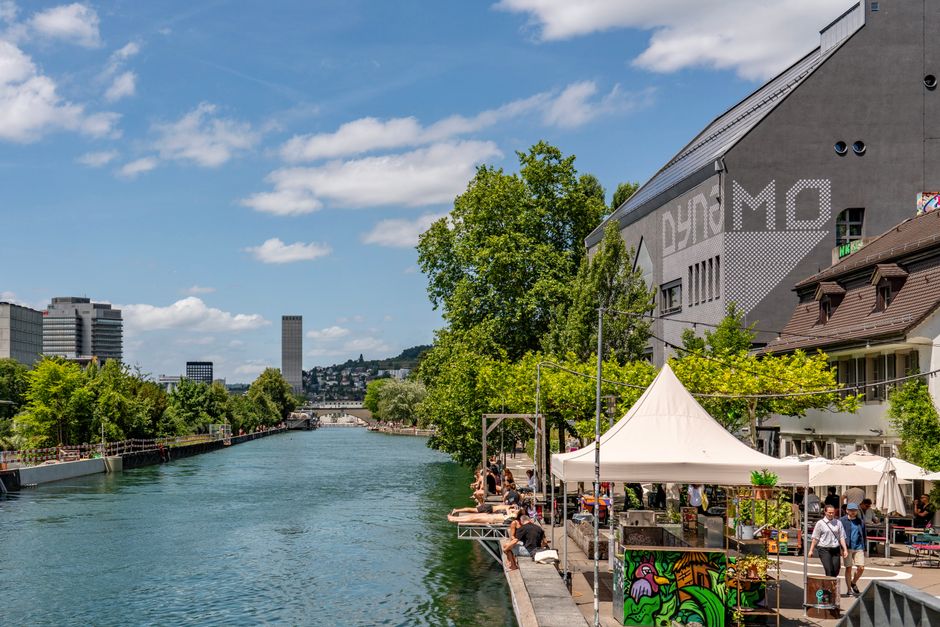
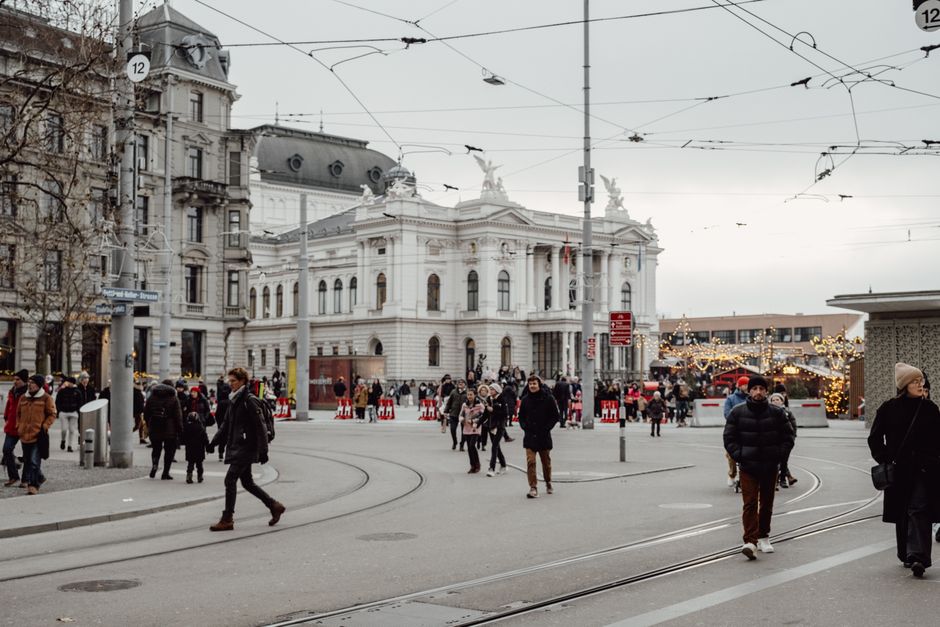
Walk through Zurich's Industriequartier on a Saturday night and you'll hear it before you see it—the unmistakable thrum of bass reverberating through converted warehouse spaces on Geroldstrasse. But this scene didn't materialize from municipal planning or corporate investment. It emerged from the determination of a few hundred people who refused to accept that Switzerland's largest city should default to predictable programming.
The transformation began roughly a decade ago, when rising rents and venue closures threatened to flatten Zurich's live music ecosystem. Where major concert halls on Utoquai once dominated the landscape, smaller independent operators began reimagining neglected industrial spaces. Halls like Rohstofflager in the Kreis 5 district and smaller clubs dotting the Langstrasse corridor became incubators for experimentation—places where technical sound engineers, booking agents, and volunteer collectives worked in tandem to create sustainable alternatives.
"The city's DNA is efficiency and banking," explains one prominent figure in Zurich's independent music scene, speaking on condition of anonymity. "But culture requires permission to fail, to experiment. That permission rarely came from above." Instead, it came from below—from communities that pooled resources, negotiated directly with property owners, and built reputation through word-of-mouth rather than algorithmic promotion.
Today, that grassroots infrastructure supports an estimated 200+ live music events monthly across independently-operated venues, according to informal tracking by the Zurich Live Music Initiative. Ticket prices typically range from 20 to 45 CHF for smaller shows—significantly cheaper than comparable performances in Zurich's concert halls—making live entertainment accessible to students and precarious workers who might otherwise be priced out.
The financial model remains precarious. Many venue operators still rely on cross-subsidies from bar sales and occasional grants from cultural foundations like the Zurich City Council's cultural budget (approximately 2.8 million CHF annually for independent culture). Yet the ecosystem persists because the people sustaining it—sound technicians, promoters, venue managers, artists—have internalized that their survival depends on mutual care rather than market forces.
As corporate interest in Zurich's cultural capital grows, these architects of the live music scene face a familiar tension: how to scale what they've built without losing the collaborative ethos that made it possible. Their answer, increasingly, isn't growth for its own sake—it's deepening roots in neighborhoods like Wiedikon and Aussersihl, where culture remains rooted in community rather than consumption.
This article was compiled by AI from the sources linked above and screened before publishing. See our editorial standards.