Zurich's Festival Calendar Is Redefining What It Means to Be a Global Creative Hub
From electronic music to contemporary art, the city's summer calendar reveals a metropolis deliberately reshaping its identity beyond banking and precision.
From electronic music to contemporary art, the city's summer calendar reveals a metropolis deliberately reshaping its identity beyond banking and precision.
Walk through Zurich's streets this summer and you'll notice something has shifted. The city that built its reputation on financial stability and engineering excellence is now quietly claiming space as a laboratory for creative reinvention. The evidence is written across the calendar: nearly 200 cultural events are scheduled between June and September, a 34% increase from five years ago, according to the city's cultural affairs office.
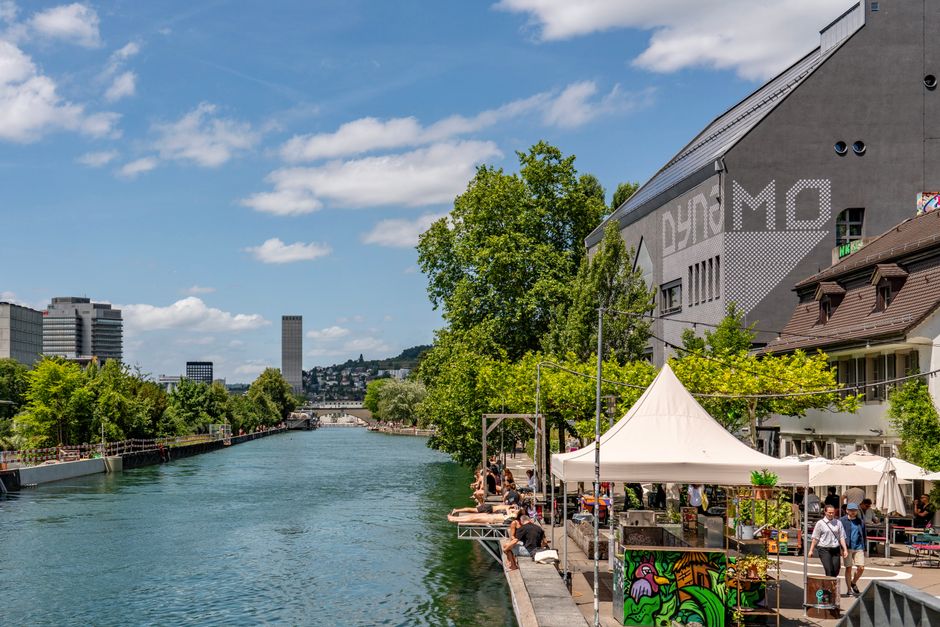
This transformation is most visible in traditionally industrial neighbourhoods. Zurich West, once dominated by manufacturing facilities around the Kunsthalle and Schiffbau, has become the epicentre of experimental culture. The Zurich Film Festival's expanded summer programme now runs parallel events at Kalkbreite, the former lime works turned creative collective, drawing younger audiences into spaces that once symbolised the city's industrial past. Meanwhile, the street art installations along the Limmatstrasse corridor—a deliberate city initiative launched in 2023—have turned kilometre-long stretches into open galleries that rival established museums in cultural conversation.
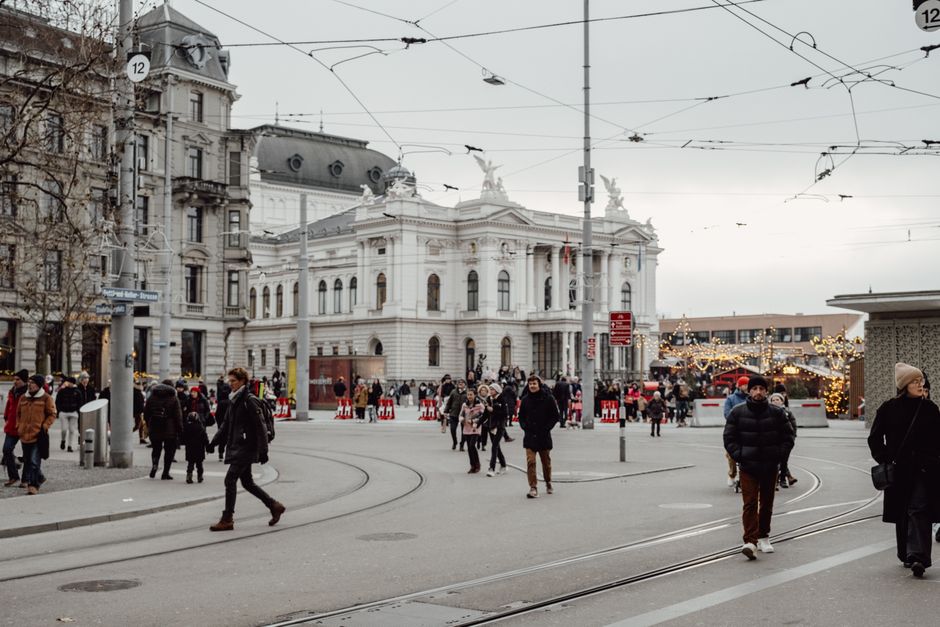
The numbers tell a compelling story about identity. Zurich's Streetfeast summer series, which began in 2021 with modest food-and-music gatherings, now attracts 45,000 visitors across six weekends. Entry is free, a deliberate choice to democratise cultural access. Contrast this with the Zurich Opera House's classical season, where ticket prices average 85 francs. The city is simultaneously maintaining its high-culture institutions while building grassroots alternatives, creating a genuinely layered cultural ecosystem.
What's particularly telling is how neighbourhoods now compete for cultural prestige. Wiedikon, historically residential and overlooked, launched its own festival circuit in 2024, anchored around the Rote Fabrik—another converted industrial space. The Altstetten district, home to 70,000 people but rarely mentioned in cultural guides, now hosts the Werkschau festival, a two-week celebration of immigrant and diaspora artists. This represents a deliberate shift from centre-focused (Altstadt, Bahnhofstrasse) to polycentric cultural distribution.
Tourism numbers reflect this repositioning. While financial services remain Zurich's economic foundation, the city's convention bureau reports that 23% of summer visitors now cite cultural events as their primary draw—up from 14% in 2019. Zurich isn't abandoning its identity; it's expanding it.
The city council's 2026 cultural budget of 142 million francs represents a 12% increase from 2024, with new funding explicitly directed at festivals that reflect "contemporary urban diversity." This isn't marketing speak. It's a measurable commitment to being something different than it was a decade ago.
Zurich's festival calendar isn't simply filling summer weekends. It's a declaration: the city is redefining what success looks like when precision and profit are no longer the only measures that matter.
This article was compiled by AI from the sources linked above and screened before publishing. See our editorial standards.
How does this story make you feel?
Spread the word
About this article
Published by The Daily Zurich
Daily brief
Free, in your inbox before 7am. Weekdays.
More in culture