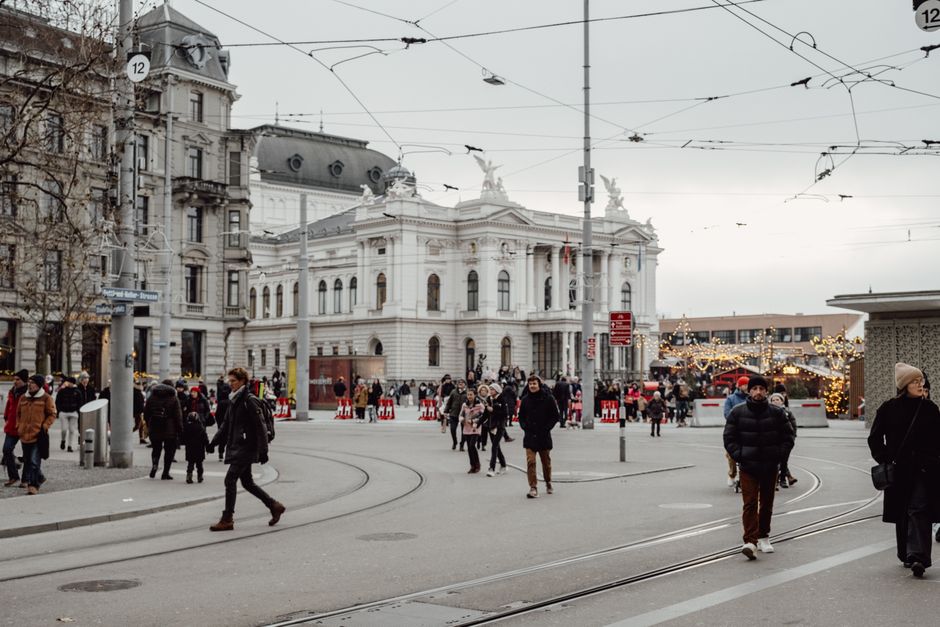
Walk down Münstergasse on a Friday night and you'll hear it immediately—the unmistakable hum of a city that never stopped believing in live music. But Zurich's current status as a concert destination didn't materialise overnight. The evolution from underground jazz cellars to a city hosting over 2,000 live events annually tells a story of cultural persistence, strategic investment, and an audience willing to pay premium prices for authenticity.
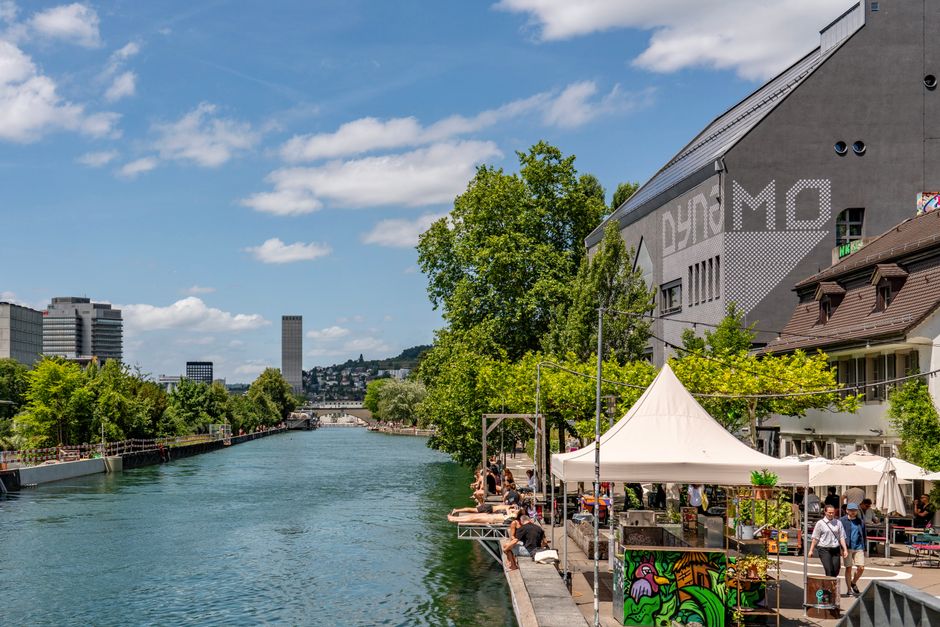
The 1990s marked the turning point. While venues like Moods in the Schiffbau district were already establishing themselves as serious platforms for international acts, the real transformation came with the deliberate decentralisation of the scene. The Rohstofflager collective in Wiedikon, the Dynamo venue's legendary warehouse parties—these weren't accidents of urban planning. They were expressions of a community that reclaimed industrial spaces when official channels proved too restrictive or expensive.
By the early 2000s, Zurich had cracked the code: nurture grassroots movements while professionalising the infrastructure. Today, Kaufleuten on Pelikanstrasse remains one of Europe's most respected mid-sized venues, with ticket prices ranging from 35 to 80 CHF for established acts. Meanwhile, the Hallenstadion, now renamed Zurich Hallenstadion, consistently attracts stadium-sized international tours, generating significant revenue for the city's cultural ecosystem.
The festival landscape crystallised the city's ambitions. Zurich Street Parade, which attracts over 700,000 attendees annually, evolved from a rave movement into Europe's largest techno festival. Concurrently, Paléo Festival—technically in Nyon but drawing Zurich's music-conscious crowds—and the summer series on the Utoquai waterfront created a calendar that sustains musicians and venues year-round. Industry data suggests Zurich's live music sector generates approximately 150 million CHF annually in direct and indirect spending.
What's remarkable is how this growth coexists with intimacy. The venues dotting the Langstrasse corridor—once marginalised, now celebrated—maintain their character even as property values soar. Piccadilly in Altstetten, Gonset Salle in Oerlikon, the clubs near Freitag tower: these spaces remain accessible to emerging artists and experimental performances that larger venues cannot sustain.
Today's Zurich music scene reflects a city mature enough to honour its underground roots while investing confidently in scale. The dialectic between intimate club culture and festival infrastructure, between grassroots movements and international touring circuits, has created something genuinely distinctive. As younger cities chase the formula Zurich pioneered decades ago, the city itself continues evolving—proof that cultural vitality requires constant recalibration, not just nostalgia.
This article was compiled by AI from the sources linked above and screened before publishing. See our editorial standards.