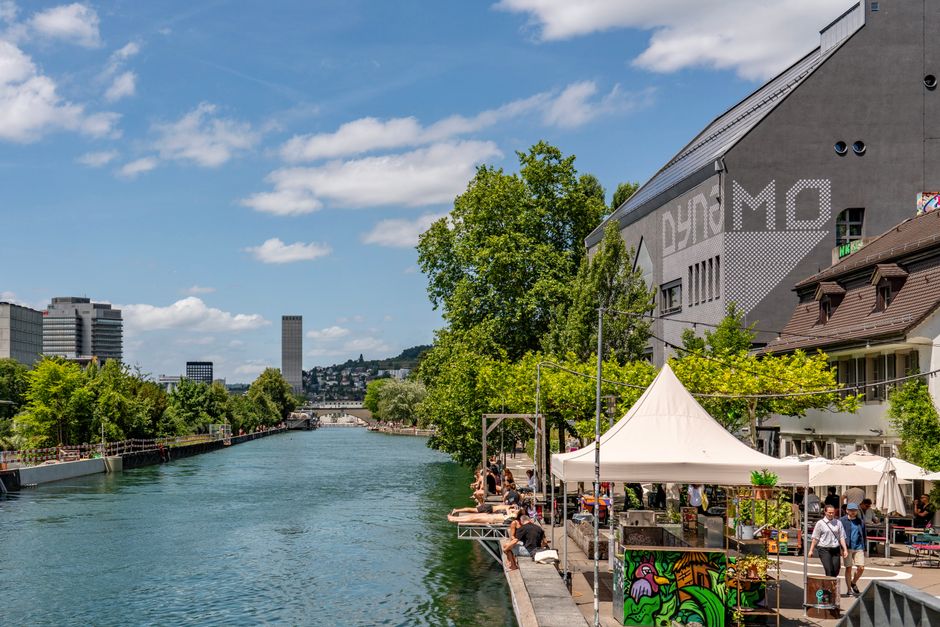
Walk through Zurich's cultural calendar this July, and you'll notice something has shifted. The programming no longer flows exclusively from the Kunsthaus or the Tonhalle—increasingly, it's bubbling up from basements in Aussersihl, rooftop terraces in Wiedikon, and converted warehouses along the Limmat's industrial stretches.
This grassroots recalibration reflects a broader movement among Zurich's younger demographics and immigrant communities, who are actively challenging what "official" culture means in the city. Organisations like Collective Consciousness (based near Helvetiaplatz) and the Wiedikon-anchored Raum collective have moved beyond sporadic pop-ups into sustained programming that draws attendance comparable to established venues. Last summer, the Raum collective's weekly outdoor cinema nights attracted over 1,200 people weekly—figures that caught the attention of the city's cultural office.
"The shift is real," explains a spokesperson from Zurich's Department of Culture, speaking on background. "We're seeing demand for events that feel less curated-from-above and more genuinely rooted in neighbourhood life."
The numbers bear this out. Across June and July 2026, approximately 47 independent cultural events are scheduled across Zurich's districts, compared to 31 in the same period last year. Average ticket prices for grassroots events hover around 15–25 CHF, roughly half the cost of established venues. Participation skews younger: roughly 68% of attendees at independent events are under 35, according to informal surveys conducted by Zurich's cultural journalism collective.
Key nodes of this movement include the Binz neighbourhood (where the artist-run space Unterzucker hosts experimental music and performance), the Langstrasse's increasingly visible queer and performance-art scene, and the Altstetten district, where multi-lingual community events have become focal points for migrant and second-generation communities.
The movement reflects broader tensions: as central Zurich becomes more expensive and consolidated, cultural workers and organisers are claiming marginal spaces—often in zones destined for redevelopment—as temporary autonomous zones for creativity. Some view it as healthy democratisation; municipal planning departments see both opportunity and uncertainty in spaces outside their traditional oversight.
What's clear is that the 2026 summer season will look markedly different from previous years. The city's cultural heartbeat is no longer singular. It's plural, distributed, and increasingly driven by communities insisting on their right to shape the rhythms of urban life.
This article was compiled by AI from the sources linked above and screened before publishing. See our editorial standards.