Walk through the cobblestoned streets of the Altstadt on any Friday evening and you'll witness Zurich's quiet revolution. The city's restaurant and bar culture has become something far more significant than a backdrop to daily life—it's now the primary canvas upon which the city's creative identity is being painted.
For decades, Zurich's food scene was defined by what it preserved: fondue pots, raclette grills, and the weight of culinary tradition. Yet over the past five years, a generation of chefs educated globally and rooted locally has transformed establishments across Wiedikon, Kreis 4, and the Seefeldquai into spaces of genuine cultural experimentation. The shift isn't about abandoning heritage—it's about interrogating it.
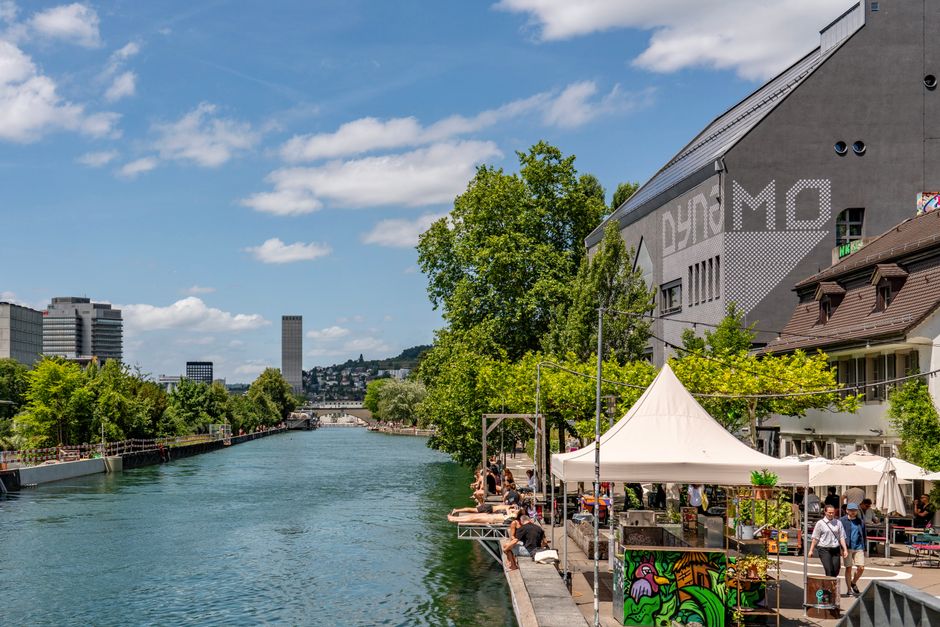
Consider the transformation along Langstrasse, historically the city's red-light district and working-class spine. What was once overlooked has become a destination. Venues like those emerging in converted industrial spaces now host collaborative dinners, underground supper clubs, and chef residencies that draw creative professionals from across Europe. These aren't vanity projects; they're serious culinary laboratories where identity, sustainability, and tradition intersect.
The economics tell part of the story. According to Zurich's Chamber of Commerce, the hospitality sector employed approximately 32,000 people in 2025, with independent restaurants and bars accounting for nearly 40 percent of new business licenses. That's not merely growth—it's a structural shift toward smaller, owner-driven establishments that prioritize creative control over corporate predictability.
What distinguishes Zurich's current moment is how explicitly cultural this dining renaissance has become. Bar programs are curated like gallery exhibitions. Kitchen brigades reflect the city's increasingly diverse population. Menus function as statements about sourcing, labor, and environmental responsibility. On the Bahnhofstrasse, gleaming luxury establishments persist, but the real energy pulses through neighborhoods where chefs are asking fundamental questions: What does contemporary Swiss cooking mean? Who gets to define it? How do we honor tradition while building something new?
This matters because Zurich has long struggled with an image problem—wealthy but sterile, precise but uninspired. The city's restaurant culture is actively rewriting that narrative. From natural wine bars in Aussersihl to experimental tasting menus in repurposed Kreis 5 workshops, the message is consistent: Zurich is a city where creativity doesn't require apology, and culture isn't something inherited passively but actively contested and reimagined.
The fondue pot hasn't disappeared. But it's no longer the only story Zurich's kitchens are telling.
This article was compiled by AI from the sources linked above and screened before publishing. See our editorial standards.