Street Art Zurich: Best Murals & Districts 2024
Explore Zurich's vibrant street art scene across Wiedikon and Kreis 5. Find the best murals, underground galleries, and free walking routes this summer.
Explore Zurich's vibrant street art scene across Wiedikon and Kreis 5. Find the best murals, underground galleries, and free walking routes this summer.
Zürich's street art scene has matured dramatically over the past five years, transforming industrial neighbourhoods into open-air galleries that rival any institutional venue. For those seeking authentic creative experiences beyond the Kunsthaus, this guide maps the city's most vibrant artistic districts and the practitioners reshaping urban space.
Start in Wiedikon, where the neighbourhood's working-class character has attracted Swiss and international muralists since the early 2010s. The corridor along Stauffacherstrasse hosts continuously evolving large-scale works; a circuit walk from Wollishofen U-Bahn takes roughly 90 minutes and costs nothing. Local organisation Zurich Street Art Tours (zurichstreetarttours.com) offers curated neighbourhood walks at CHF 25 per person, combining historical context with artist interviews when available.
Kreis 5, traditionally known for counter-culture, has emerged as Zürich's most experimental district. The Schiffbau complex hosts rotating street art installations alongside performance spaces, while smaller galleries like Kunsthalle Zürich's satellite projects in converted warehouses showcase emerging local talent. Summer 2026 programming includes monthly open studios where collectors can meet artists directly—entry typically CHF 10–15.
For institutional recognition of street culture, the Museum Haus Konstruktiv (Zürichbergstrasse 65) presents its annual graffiti and urban design retrospective through August, examining how city regulation has influenced local practice. Admission is CHF 16; students CHF 8. This exhibition traces how Zürich shifted from criminalizing street artists in the 1990s to designating official walls like those near Kaserne Basel.
Kaserne Basel, a 13,000-square-metre former military barracks now functioning as cultural space, offers designated spray areas where artists work openly. Public access is free; workshops run CHF 40–80 depending on duration.
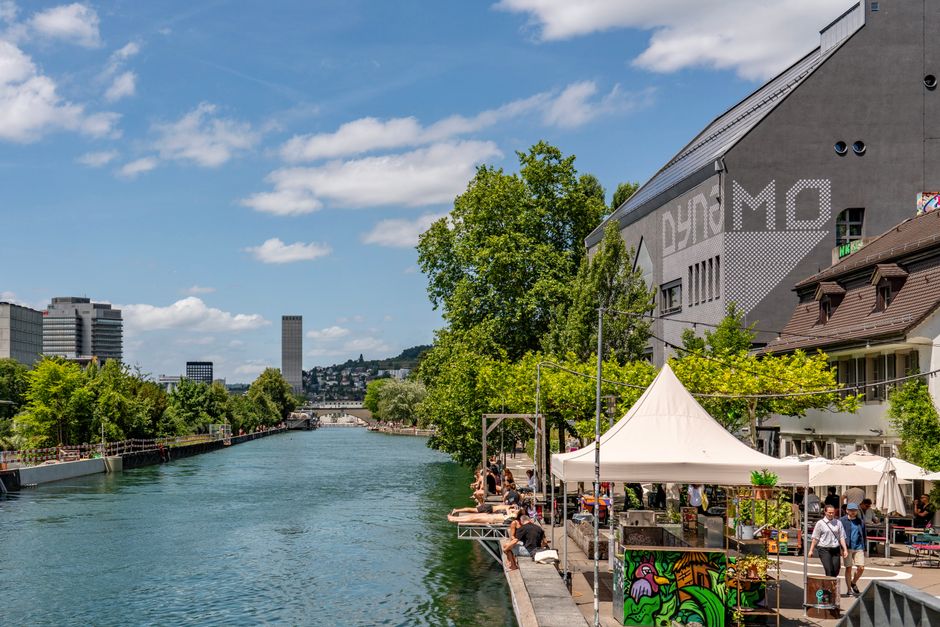
Beyond established districts, the Limmatriver walkway between Wollishofen and Aussersihl features emerging works from younger practitioners—conditions here remain semi-legal, adding spontaneous energy. Photography-led Instagram accounts like @zurich_walls document changes daily.
For those seeking to support artists directly, the Zürich Street Art Festival (typically September) brings together established and emerging voices. Pre-festival exhibitions usually run through August at participating galleries; expect CHF 5–12 entry fees.
Practical note: Many street works exist in flux. Spring and autumn rains occasionally affect visibility. Visit weekday mornings for photography without pedestrian crowds. Respect active studio spaces—ask permission before photographing artists at work.
This article was compiled by AI from the sources linked above and screened before publishing. See our editorial standards.
How does this story make you feel?
Spread the word
About this article
Published by The Daily Zurich
Daily brief
Free, in your inbox before 7am. Weekdays.
More in culture