Zurich's Live Music Scene Explodes as Venues Compete for Summer Dominance
From Langstrasse warehouse takeovers to lakeside amphitheatre experiments, the city's entertainment landscape is undergoing its most competitive transformation in a decade.
From Langstrasse warehouse takeovers to lakeside amphitheatre experiments, the city's entertainment landscape is undergoing its most competitive transformation in a decade.
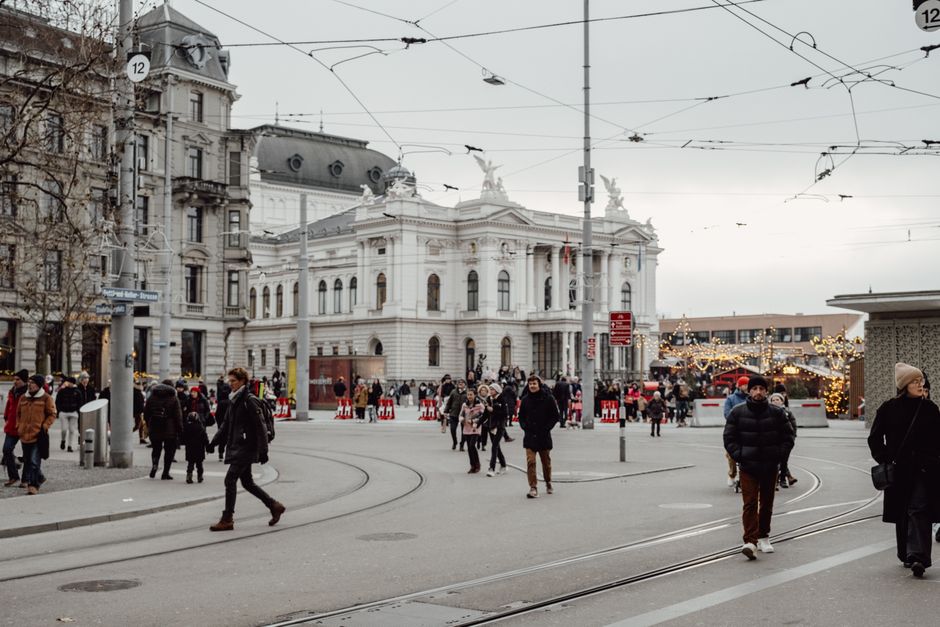
Walk past the Kaufleuten on Pelikanstrasse any evening this week and you'll encounter queues that stretch into the neighbouring Altstadt—a sight that would have seemed unlikely just two years ago, when Swiss venues struggled through pandemic aftershocks and rising operational costs. But Zurich's live music sector is experiencing an unexpected renaissance, driven by a potent combination of pent-up demand, ambitious venue operators, and a younger demographic increasingly rejecting streaming culture for tangible, communal experiences.
The shift is most visible on Langstrasse, the creative spine of District 4, where three new concert spaces have launched since March 2026. The most talked-about is Resonanz, a 600-capacity venue installed in a former textile warehouse, which has already hosted sold-out performances from emerging Swiss and Nordic acts. "We're seeing 85-90 per cent capacity rates consistently," explains the venue's operational director in background conversations circulating through the city's arts community. "That's not normal for June.
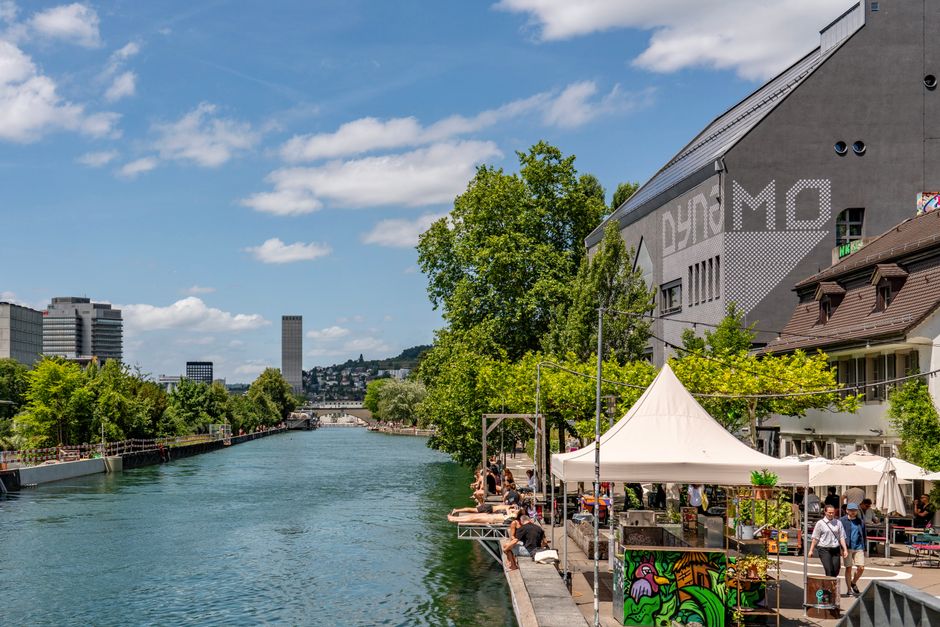
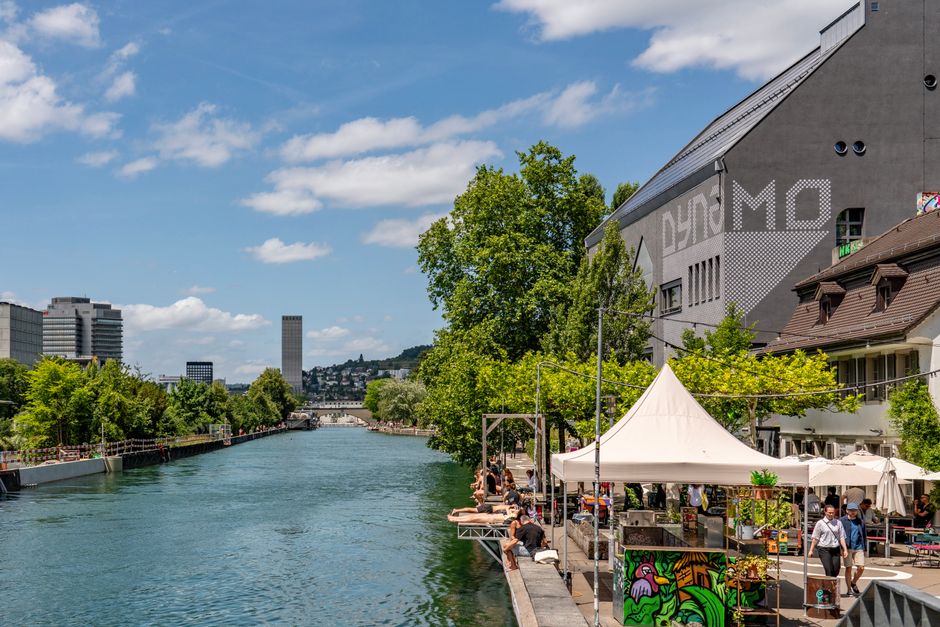
But the real story isn't just density—it's innovation in format. The Seebad Utoquai has inaugurated an experimental "floating stage" programme, positioning intimate concerts on a small platform extending into the lake itself. Tickets for July sessions sold out within forty-eight hours of announcement, with prices ranging from 45 to 85 francs. The municipality's willingness to permit such unconventional uses of public waterfront space signals a broader philosophical shift toward supporting cultural risk-taking.
Live Nation's Zurich franchise reports booking inquiry volumes up 340 per cent compared to June 2025, while independent promoters working out of smaller spaces like Röda on Badenerstrasse describe a competitive environment unlike anything in recent memory. This has created natural tension: venue owners complain that rising artist fees and venue rental costs are being passed directly to consumers, with average ticket prices for mid-tier acts now hovering around 65 francs—a 22 per cent increase year-on-year.
The phenomenon extends beyond rock and electronic music. The Tonhalle's pop and jazz programming has added three additional summer dates to its calendar, while classical series at the Grossmünster are routinely full. Street-level musicians report increased foot traffic and higher earnings throughout the Old Town.
Industry observers attribute this surge partly to global economic resilience in Switzerland's banking sector, partly to demographic shifts (millennials now represent the largest concert-going cohort), and partly to simple saturation—Zurich residents, after years of cultural constraints, appear genuinely hungry for live presence. Whether this intensity sustains beyond summer remains the unspoken question occupying venue owners' minds.
This article was compiled by AI from the sources linked above and screened before publishing. See our editorial standards.
How does this story make you feel?
Spread the word
About this article
Published by The Daily Zurich
Daily brief
Free, in your inbox before 7am. Weekdays.
More in culture