Zürich's street art landscape has undergone a quiet revolution over the past decade. While the city remains synonymous with banking precision and alpine refinement, its gritty underbelly tells a different story—one that appeals to designers, photographers, and creative travellers increasingly drawn to urban authenticity alongside postcard perfection.
The epicentre of Zürich's legal graffiti movement is NAmerikaanse Plein in Wiedikon, a sprawling industrial zone that has evolved into Europe's largest authorised spray-paint gallery. Every weekend, roughly 150 artists transform the weathered walls here, creating an ever-shifting canvas that ranges from intricate character work to abstract installations. Entry is free, and the energy—particularly on Saturday mornings—rivals any formal gallery opening. Bring a camera, but respect the unwritten rule: don't photograph individual artists without permission.
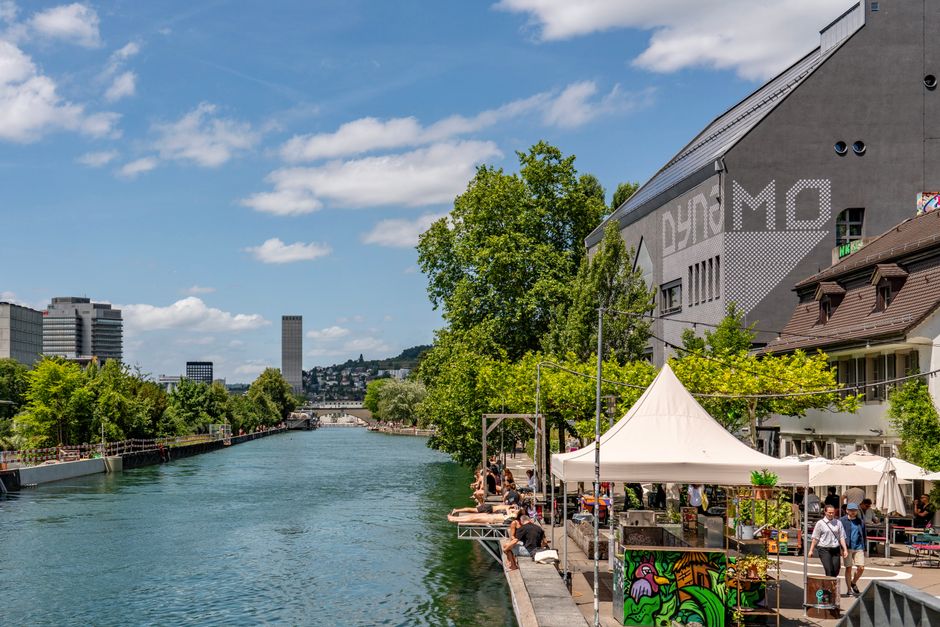
Head east to Zurich-West, where the Schiffbau neighbourhood has anchored itself as the city's creative quarter. Once home to industrial shipyards, the district now hosts design studios, independent galleries, and boutiques housed in converted warehouses. The Schiffbau theatre complex itself stages experimental work, but the real magic happens on side streets like Limmatstrasse, where murals by international artists address themes from climate change to social justice. Many are commissioned through organisations like Ges.Kunst, which curates permanent and temporary installations.
For something more curated, the Kunsthalle Zürich's street-level exhibitions frequently blur boundaries between high art and street culture, while smaller galleries in Kreis 4 (Aussersihl) showcase emerging artists who began careers painting walls. A coffee at one of the neighbourhood's many third-wave cafés—expect 5–7 CHF for a cappuccino—provides a low-pressure vantage point for observing how local creatives live and work.
The Geroldstrasse food market, operational since 2014, draws international visitors but remains genuinely local; the weekly Thursday evening sessions (17:00–22:00) feature live music and rotating street artists demonstrating techniques. Admission is free, though most people budget 30–40 CHF for food and drink.
Practical note: Zürich's street art is heavily regulated outside designated zones. What appears spontaneous is often the result of months of negotiation between artists and property owners—part of the city's pragmatic approach to urban culture. This means legal pieces tend to stay put longer, making the aforementioned locations reliable for planning visits.
The best time to explore is late spring through early autumn, when outdoor installations proliferate and galleries extend hours. Wear comfortable shoes and allow at least a full day to properly absorb these neighbourhoods.
This article was compiled by AI from the sources linked above and screened before publishing. See our editorial standards.