Zurich's Street Art Scene Is Exploding—And the City Finally Seems to Care
A wave of legal mural projects and grassroots design initiatives is transforming industrial neighbourhoods, sparking debate about who gets to shape the city's visual identity.
A wave of legal mural projects and grassroots design initiatives is transforming industrial neighbourhoods, sparking debate about who gets to shape the city's visual identity.
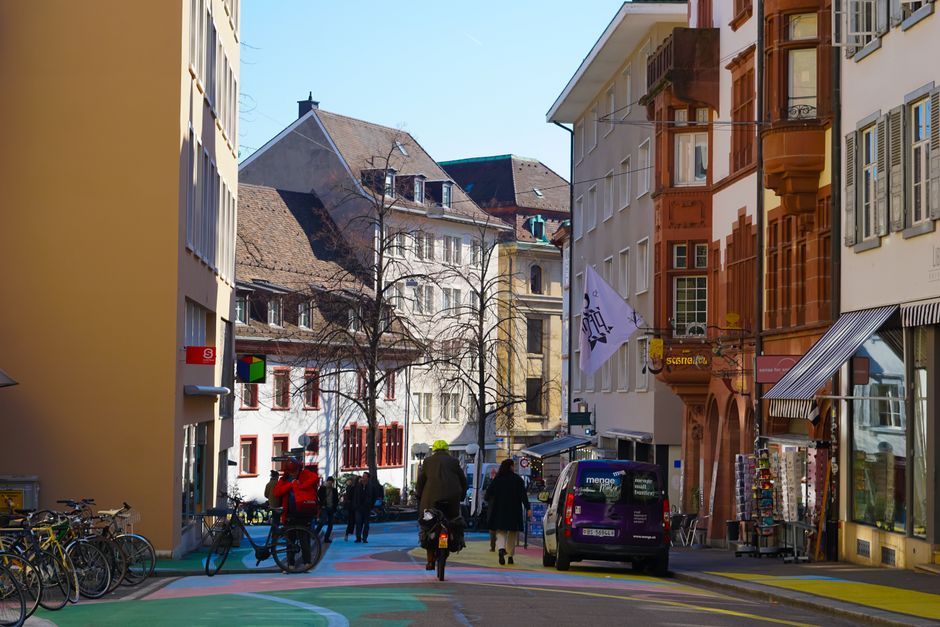
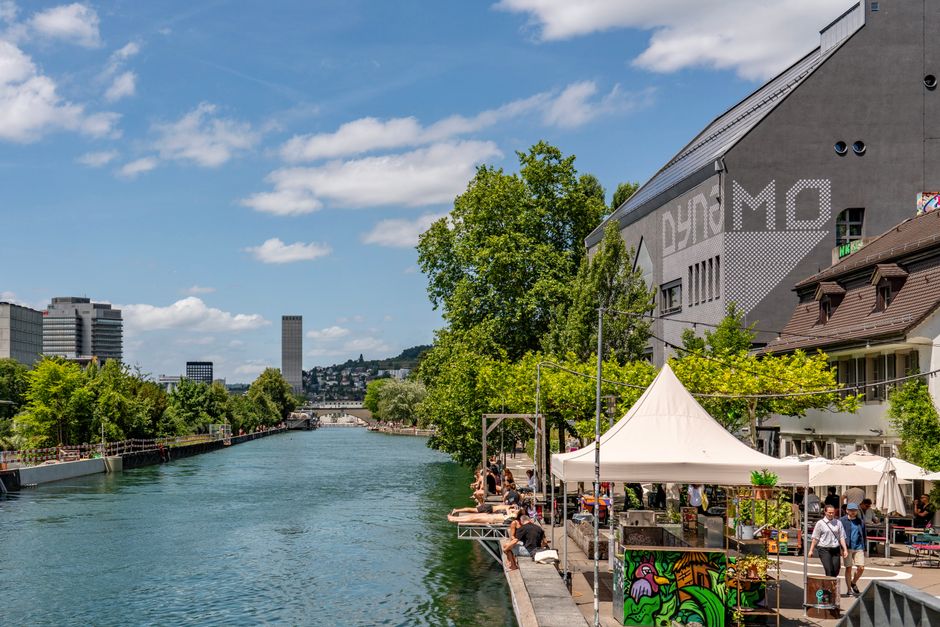
Walk through Wiedikon or the Aussersihl district these days and you'll notice something that would have been unthinkable five years ago: permission slips. Legitimate, sanctioned street art now covers entire building facades, from the former brewery complexes along the Limmat to the railway underpasses near Hardbrücke. And Zurichers—residents and visitors alike—can't stop talking about it.
The shift marks a striking departure from the city's traditionally rigid approach to public space. Where Zurich once prosecuted graffiti writers aggressively, municipalities and property owners are now actively recruiting artists, offering walls as canvas and modest compensation. The Zürich Street Art Festival, now in its fourth year, attracted over 40,000 visitors last October, according to organizers. Meanwhile, independent initiatives like the Werkhof collective have secured long-term agreements to activate industrial sites across the city with rotating installations and design workshops.
"What's changed is the recognition that creative districts attract talent and investment," explains the cultural ecosystem developing around areas like Gewerbeareal Zurichberg, where artists' studios have tripled since 2023. The neighborhood has become a draw for design graduates and international creatives priced out of Geneva and Basel, with monthly open-studio events now pulling crowds of 2,000 or more.
But this renaissance hasn't arrived without friction. Longtime residents worry about gentrification creeping into previously affordable areas. A studio space that rented for 800 francs per month in 2022 now commands 1,400. Meanwhile, some established street artists argue that corporatization is sanitizing the movement—turning rebellious expression into municipal branding.
The tension reflects a city in transition. Zurich's economic muscle and international standing have always centered on finance and precision engineering, leaving little room for the messier aesthetics of street culture. Yet younger demographics increasingly view creative expression as essential infrastructure. The city's 2026 cultural budget allocates 2.3 million francs specifically for public art initiatives, a 35 percent increase from three years prior.
Walking Langstrasse's transformed stretches or discovering a new mural emerging in Hongg, one thing is clear: Zurich's creative identity is being actively negotiated in real time. Whether that culminates in authentic cultural vitality or expensive authenticity remains the conversation shaping the city's neighborhoods right now.
This article was compiled by AI from the sources linked above and screened before publishing. See our editorial standards.
How does this story make you feel?
Spread the word
About this article
Published by The Daily Zurich
Daily brief
Free, in your inbox before 7am. Weekdays.
More in culture