Zurich's Street Art Renaissance: What Visitors Need to Know and Where to Go
From industrial warehouses to riverside galleries, the city's creative districts have transformed into open-air museums that rival any traditional collection.
From industrial warehouses to riverside galleries, the city's creative districts have transformed into open-air museums that rival any traditional collection.
Zurich's reputation as a buttoned-up financial hub belies a thriving street art scene that has quietly reshaped entire neighbourhoods over the past decade. For visitors seeking authentic creative culture beyond the Bahnhofstrasse boutiques, the city's street art districts offer a refreshingly candid glimpse of contemporary Swiss artistic expression.
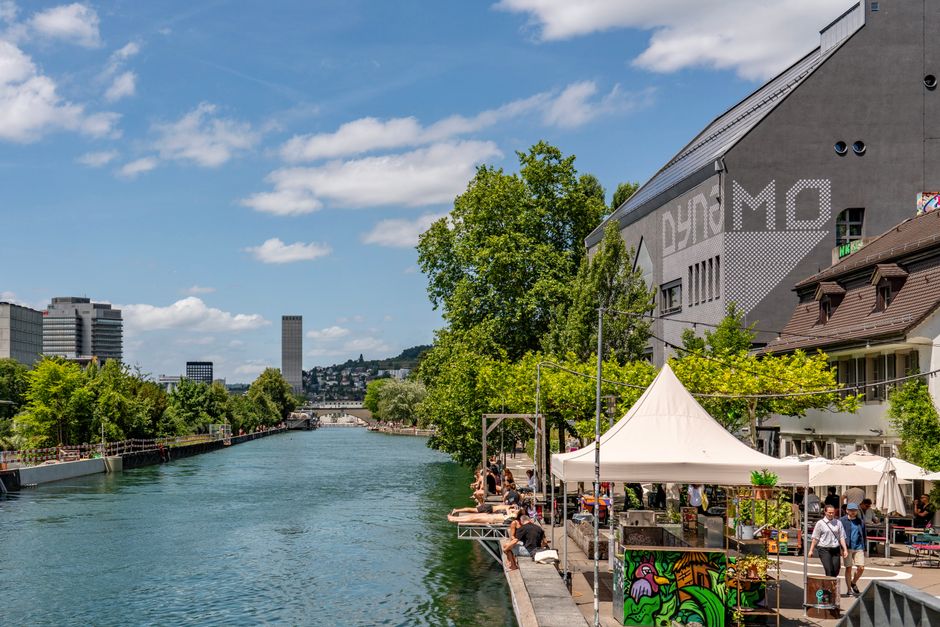
The epicentre remains the Zurich West neighbourhood, anchored by the former industrial zone between Europaplatz and Limmatstrasse. Here, warehouses converted into galleries, studios, and cultural spaces host regular street art festivals. The Zurich Street Art Festival, held annually in late summer, transforms the district into a massive open-air studio where international artists work alongside locals. Entry to view the works is free, making it an accessible entry point for curious visitors. Walking tours of the district (typically CHF 25–40) are regularly offered by local guides and highlight the evolution from illegal tagging to sanctioned public art.
North of the river, the Wiedikon district has earned recognition as the city's most experimental creative hub. Sihlquai and surrounding streets host rotating murals that change seasonally, with works addressing everything from social justice to climate change. The neighbourhood's proximity to the Sihl river provides natural break points for reflection, and numerous independent cafés serve as unofficial art community gathering spots.
For architecture enthusiasts, the Schiffbau complex—a converted shipyard on the Limmat's left bank—bridges the gap between street art and institutional culture. Its exterior walls regularly feature large-scale installations, while the interior hosts rotating exhibitions and performances that cost between CHF 15–30 for entry.
Practical guidance: many street artworks exist on private property with owner permission, and newer pieces replace older ones frequently. The best photography occurs mid-morning during spring and summer months when light angles are most dramatic. Wear comfortable walking shoes—the creative districts sprawl across several kilometres. Public transport passes (24-hour city ticket: CHF 12) provide access to all neighbourhoods mentioned.
A word of caution: not all public art is officially commissioned. Zurich maintains strict regulations around unsanctioned graffiti, though the city has increasingly designated legal zones. Visitors should treat street art as cultural observation rather than participatory activity.
For those with limited time, a three-hour circuit combining Zurich West's galleries with a riverside walk through Wiedikon captures the city's contemporary artistic pulse more authentically than many traditional museums.
This article was compiled by AI from the sources linked above and screened before publishing. See our editorial standards.
How does this story make you feel?
Spread the word
About this article
Published by The Daily Zurich
Daily brief
Free, in your inbox before 7am. Weekdays.
More in culture