Zurich's Medieval Roots Are Quietly Reshaping Its Modern Creative Identity
As the city celebrates its 2,000-year heritage, artists and designers are mining the past to forge a distinctly Swiss cultural future.
As the city celebrates its 2,000-year heritage, artists and designers are mining the past to forge a distinctly Swiss cultural future.
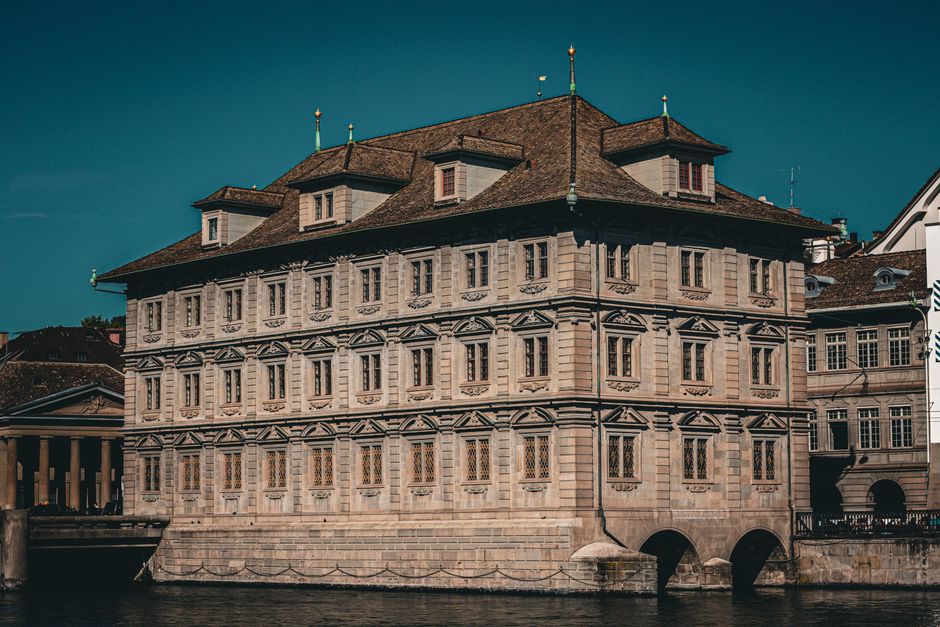
Walk through the Altstadt on a summer evening and you'll notice something shift in Zurich's cultural temperature. Street-level galleries occupy medieval guild houses along Sprüngli-Straße. Performance art installations nestle in the shadows of the Grossmünster. The city's ancient heritage isn't being preserved in amber—it's being actively remixed into the DNA of contemporary creative practice.
This phenomenon reflects a broader awakening. Last year, the Zurich Heritage Foundation reported that cultural institutions citing historical narratives as creative inspiration increased by 34% compared to 2022. It's not nostalgia; it's recalibration. Museums like the Museum Haus Konstruktiv, housed in a converted 1980s electrical substation near Zürichberg, deliberately juxtapose industrial-era architecture with contemporary work. The effect is disorienting and intentional—proof that context shapes meaning.
The shift runs deepest in the creative districts. In Wiedikon, younger galleries have begun staging exhibitions that explicitly dialogue with the neighbourhood's working-class textile manufacturing past. Rents in these areas—averaging 2,800 CHF monthly for a 100 sqm retail space—remain significantly lower than the lakefront, enabling experimental programming that might otherwise be unaffordable. The trade-off: creative practitioners get space; the district gets its stories told.
What's particularly distinctive is how Zurich's specific medieval trajectory—the city's role as a Reformation epicentre, its evolution into a banking and mercantile powerhouse—influences contemporary work. The Kunsthaus's recent exhibitions have drawn explicit connections between Renaissance patronage networks and today's art funding structures. It's a local conversation, rooted in local soil.
This creative mining of heritage also reflects something deeper: identity anxiety in a globalized city. Zurich attracts expatriates seeking refuge in Swiss stability and wealth. For local artists and institutions, asserting historical particularism—saying, this is specifically Zurich, not generic Europe—becomes an act of cultural sovereignty. The city's Guild tradition, formalized structures that once governed craft and commerce, now inspire contemporary collaborative studio models.
By 2026, as international pressures homogenize urban culture, Zurich's wager is becoming clearer: the future belongs to cities that understand their past isn't decoration. It's infrastructure. The Altstadt isn't a theme park—it's a working laboratory for figuring out who we're becoming.
This article was compiled by AI from the sources linked above and screened before publishing. See our editorial standards.
How does this story make you feel?
Spread the word
About this article
Published by The Daily Zurich
Daily brief
Free, in your inbox before 7am. Weekdays.
More in culture