From Underground Clubs to World-Class Stages: How Zurich Built Its Musical Identity
The city's live music scene has transformed from gritty basement venues to a sophisticated cultural ecosystem that attracts global talent and audiences.
The city's live music scene has transformed from gritty basement venues to a sophisticated cultural ecosystem that attracts global talent and audiences.
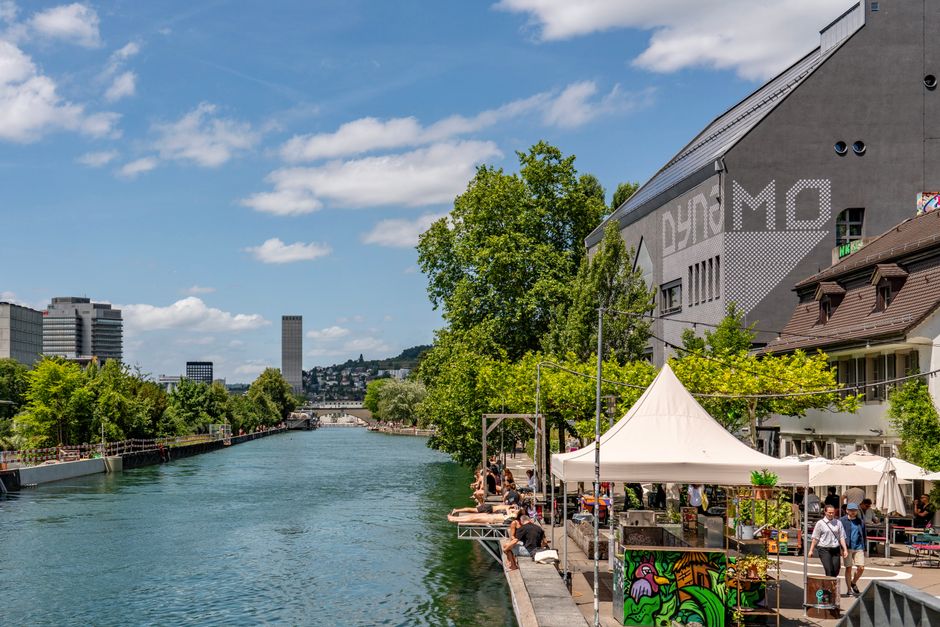
Zurich's relationship with live music has always been one of reinvention. Walk through the Industriequartier today—the neighbourhood once defined by crumbling factories and squatter culture—and you'll find converted warehouses hosting intimate concerts. This transformation didn't happen overnight, nor did it happen without the city's legendary countercultural spirit.
In the 1980s, when the Zurich youth uprising shook the city's political establishment, music venues became rallying points for dissent and creative expression. Clubs like the Rote Fabrik, established in a former factory in Wollishofen, became legendary laboratories for punk, post-punk, and electronic music. These weren't polished concert halls—they were sweaty, confrontational spaces where audiences didn't just listen; they participated in cultural resistance.
The 1990s marked a pivotal shift. As Switzerland's economy boomed and Zurich consolidated its status as a global financial hub, the city began investing seriously in cultural infrastructure. The Kongresshaus on Gotthardstrasse, dating back to 1909, underwent major renovations. Meanwhile, new mid-sized venues like the X-Tra in the Altstetten neighbourhood emerged, offering a bridge between underground and mainstream.
Today's Zurich music landscape reflects this layered history. The city hosts approximately 150 ticketed concerts annually across venues ranging from intimate 200-capacity clubs to the 11,000-seat Hallenstadion. Average ticket prices hover between CHF 45–120 for mid-tier acts, reflecting both the city's affluence and its serious concert-going culture. Venues like the Kaufleuten in the Altstadt, Zurich's oldest nightclub, continue hosting cutting-edge electronic and indie acts alongside legacy performers.
The cultural organisations that emerged from this ecosystem now shape Switzerland's artistic direction. The Moods club in Zurich-West has become internationally recognised for its programming of jazz, soul, and world music—genres that might have seemed niche decades ago but now draw capacity crowds.
What's remarkable is that Zurich hasn't erased its rebellious DNA in pursuit of respectability. The tension between high culture and grassroots creativity remains productively alive. The city's music venues continue attracting artists precisely because the infrastructure respects both pedigree and experimentation.
As Zurich faces new cultural pressures—rising rents threatening smaller venues, competition from digital entertainment—its music scene stands at another crossroads. Yet the lesson of the past four decades suggests the city has the institutional memory and cultural commitment to navigate it thoughtfully.
This article was compiled by AI from the sources linked above and screened before publishing. See our editorial standards.
How does this story make you feel?
Spread the word
About this article
Published by The Daily Zurich
Daily brief
Free, in your inbox before 7am. Weekdays.
More in culture