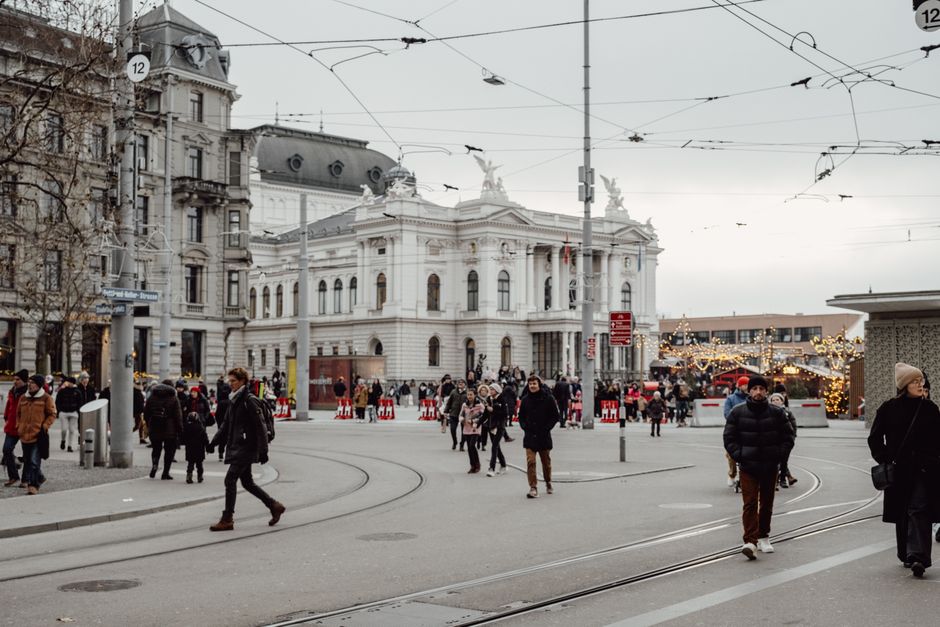
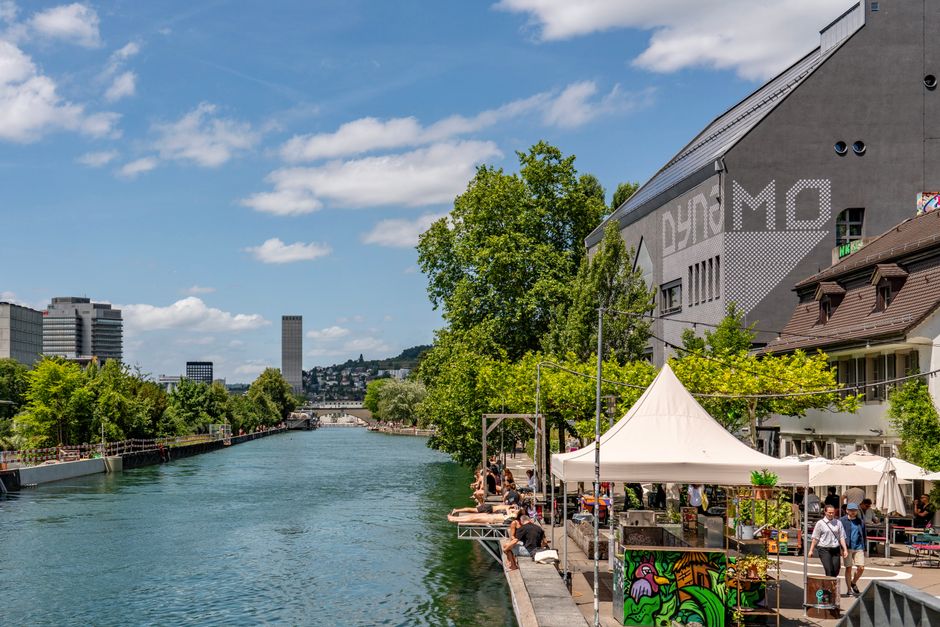
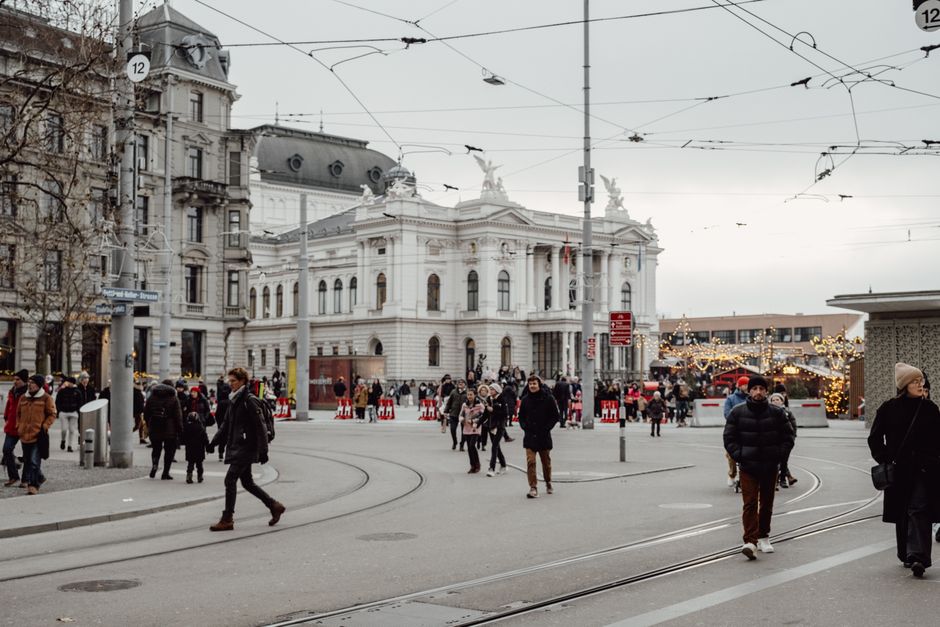
Walk down Langstrasse on any given evening this July, and you'll encounter the visible manifestation of Zurich's cultural ambition: street vendors hawking tickets to overlapping festivals, galleries spilling onto pavements, and the unmistakable hum of a city in creative ferment. The Swiss metropolis, long stereotyped as a banking hub wrapped in clockwork precision, is aggressively redefining itself through an unprecedented concentration of cultural events.
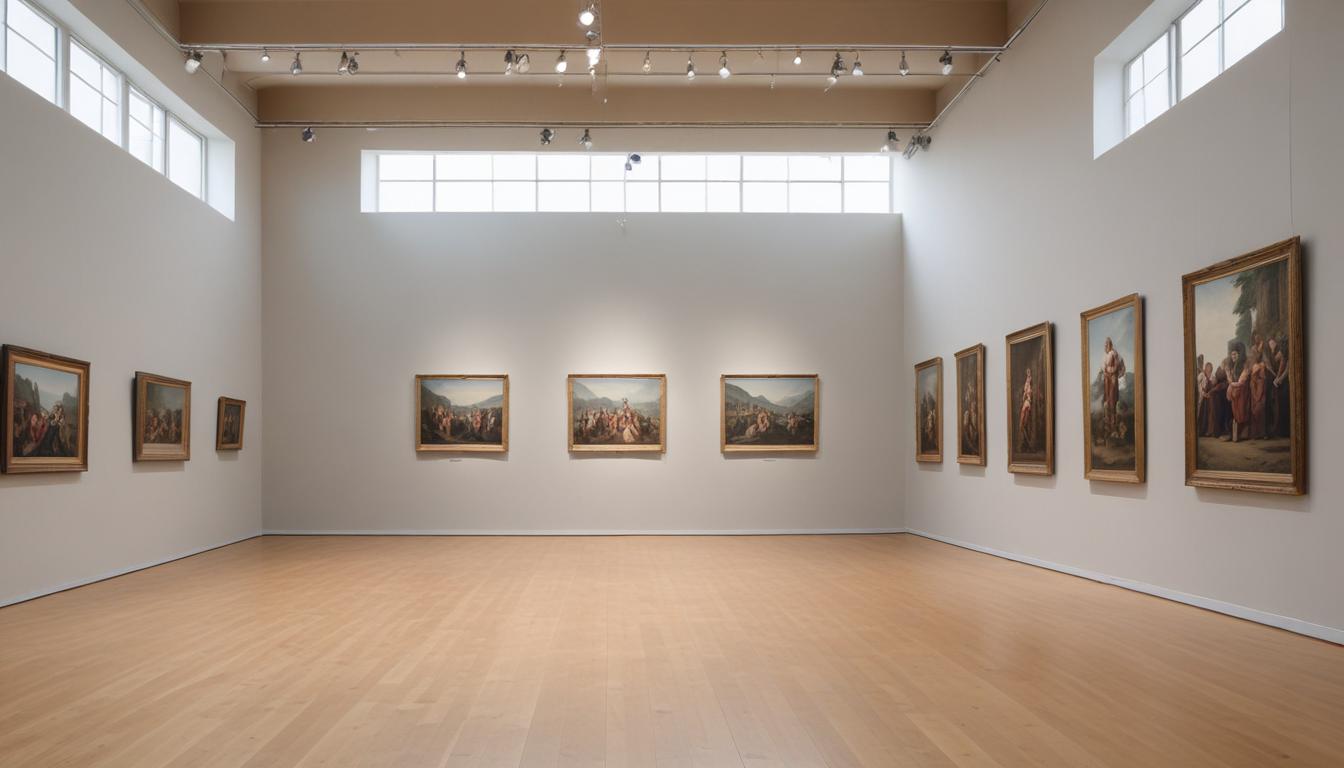
This summer's calendar reads like a manifesto. Zurich Filmpodium's expanded programming in its Aussersihl location now runs parallel to the Nuit Blanche installations sprawling across Wiedikon and the Kreis 5 industrial quarters. The Kunsthaus's contemporary wing is hosting rotating artist residencies that have drawn international practitioners to the city for extended stays. Simultaneously, the Moods concert venue in Zurich-West continues its three-decade tradition of hosting electronic and jazz acts, drawing 40,000 visitors annually to what was once abandoned warehouse space.
What distinguishes this year's cultural calendar from previous seasons is its deliberate geographical dispersal and thematic coherence. Rather than clustering events in the Altstadt or Museum Quarter, organisers have intentionally activated peripheral neighbourhoods. The Toni-Areal in Wiedikon—a former chocolate factory transformed into a cultural workspace—now hosts the Festival of Digital Cultures, expecting 15,000 visitors across its ten-day run. Simultaneously, the Kalkbreite neighbourhood cooperative is programming open-air cinema and performance art in spaces that were squatter communities two decades ago.
Local cultural administrators openly frame this expansion as identity work. The city's 2025-2030 cultural strategy explicitly positions Zurich as a centre for artistic risk-taking and experimental practice, a deliberate contrast to its historical reputation. Investment has followed rhetoric: municipal funding for independent cultural organisations increased by 23 percent between 2023 and 2025, while private sponsorship from foundations like the Ernst Göhner Stiftung has amplified programming possibilities.
The economic data supports the cultural narrative. Tourism board figures indicate that culture-specific visits to Zurich increased 34 percent year-on-year, with festival attendees spending an average of 280 Swiss francs daily on accommodation, food, and ancillary activities. More significantly, young professionals—a demographic the city has historically struggled to retain—cite the cultural offer as a primary reason for remaining post-education.
Whether this represents sustainable transformation or aesthetic city-branding remains contested among cultural critics. Yet one element is undeniable: Zurich's festival season has become the physical manifestation of how the city wishes to be perceived. It is no longer apologising for its wealth; instead, it is spending it on the intangible architecture of creative identity.
This article was compiled by AI from the sources linked above and screened before publishing. See our editorial standards.