From Underground Raves to Global Stages: How Zurich's Festival Scene Transformed a City
Over three decades, Zurich evolved from a buttoned-up financial hub into a cultural powerhouse—and its festival calendar tells the story.
Over three decades, Zurich evolved from a buttoned-up financial hub into a cultural powerhouse—and its festival calendar tells the story.
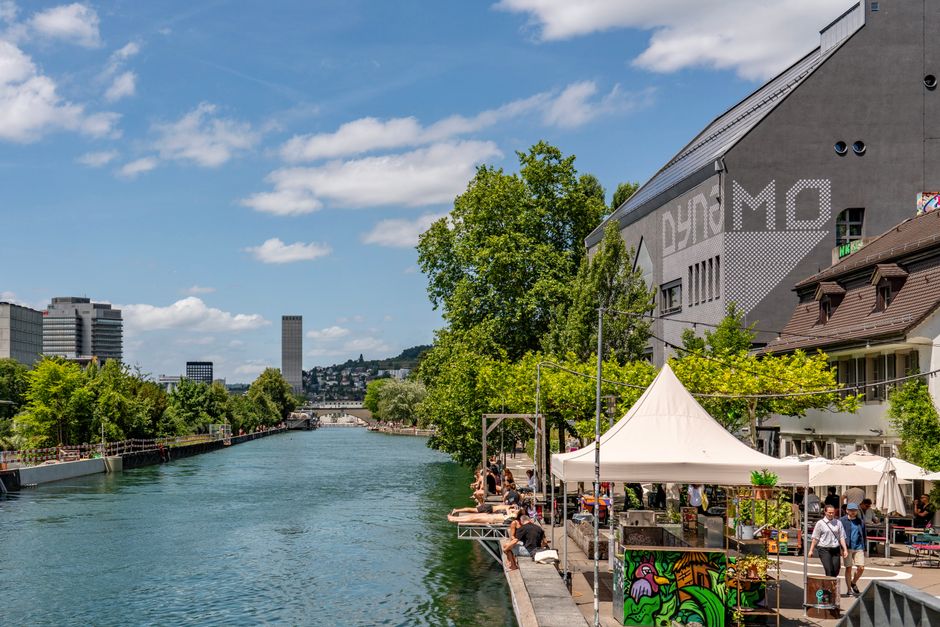
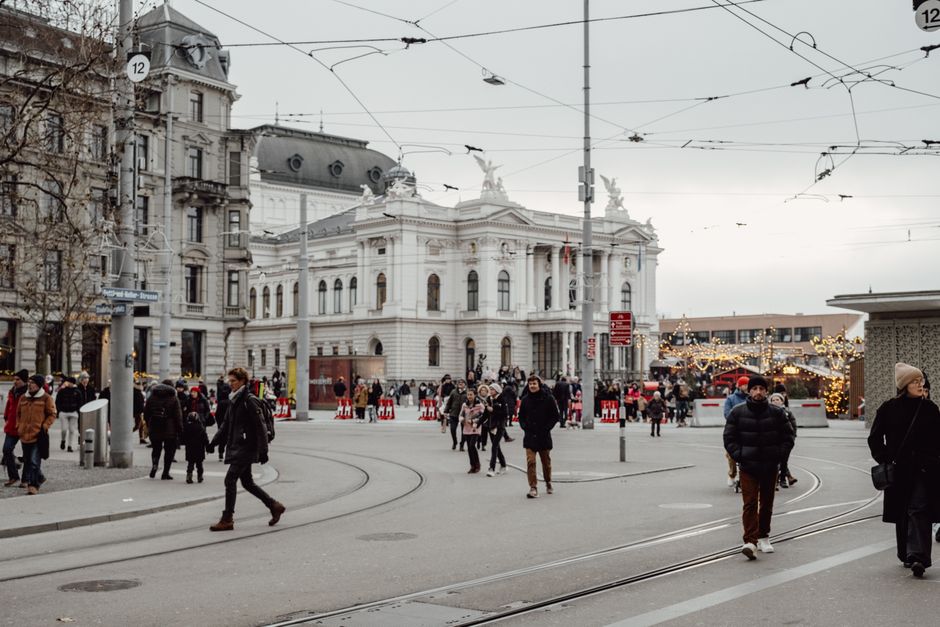
Walk through Zurich's streets today and you'll encounter a bewildering calendar of festivals: electronic music at Zurich Loves You in August, cutting-edge theatre at Theaterspektakel along the Seeufer, the sprawling Street Parade drawing hundreds of thousands to Bahnhofstrasse each July. But this transformation didn't happen overnight. The city's festival ecosystem is a mirror of Zurich's own evolution from conservative banking metropolis to creative capital.
The watershed moment arrived in the late 1980s, when the Zurich youth scene exploded in response to police restrictions on alternative culture. The famous Autonome Bewegung clashes of 1980–1981 around Kanzleistrasse fundamentally shifted the relationship between city authorities and young creatives. By the 1990s, rather than suppress the movement, Zurich began channeling it—officially. Street Parade debuted in 1992 with around 4,000 participants. Today, it attracts 900,000 visitors annually, generating an estimated 65 million francs for the local economy.
This pragmatism became a defining feature of Zurich's cultural governance. The city invested in infrastructure: the Rote Fabrik in Wollishofen, a former textile factory, became a countercultural institution. Kaufleuten on Pelikanstrasse transformed from a traditional guildhall into an edgy music and arts venue. Even the staid Zurich Film Festival, founded in 2005, positioned itself as an intellectual alternative to Cannes or Venice, drawing 100,000 attendees annually and cementing the city's position in global cinema circles.
What distinguishes Zurich's festival evolution is its democratic accessibility within a high-cost city. While tickets to major events like the Zurich Loves You festival range from 40 to 150 francs, neighbourhood festivals in Kreis 4 and 5 remain largely free. The Theaterspektakel, Europe's largest open-air theatre festival, tickets start at 15 francs. This reflects a deliberate municipal philosophy: culture belongs to everyone, not just the wealthy.
The COVID-19 pandemic forced rapid innovation. Digital performances and hybrid events became standard. Today, as we look back at the festival calendar's trajectory, it's clear that Zurich's festivals serve a deeper function than mere entertainment—they're laboratories for how a prosperous city negotiates between tradition and transgression, regulation and freedom.
For a city built on precision and profit, Zurich's festival scene represents something more elusive: the space where imagination is permitted to flourish. That journey from repression to celebration remains the city's most vital cultural story.
This article was compiled by AI from the sources linked above and screened before publishing. See our editorial standards.
How does this story make you feel?
Spread the word
About this article
Published by The Daily Zurich
Daily brief
Free, in your inbox before 7am. Weekdays.
More in culture