How Zurich's Grassroots Collectives are Remaking the City's Gallery Scene
A new wave of artist-led initiatives across the Wiedikon and Aussersihl districts is challenging traditional museum hierarchies and opening doors to experimental work.
A new wave of artist-led initiatives across the Wiedikon and Aussersihl districts is challenging traditional museum hierarchies and opening doors to experimental work.
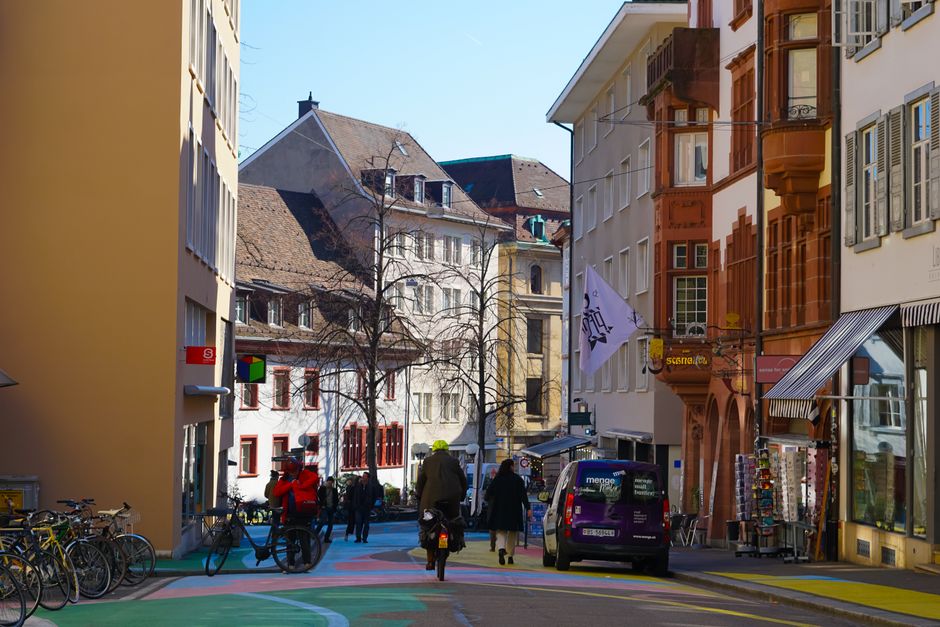
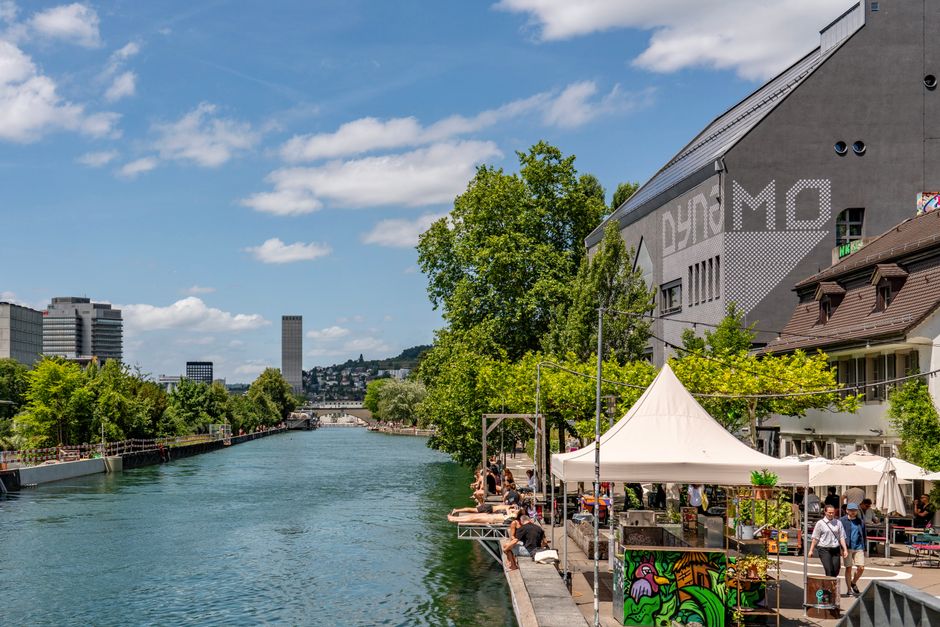
Walk down Geroldstrasse in Zurich's industrial Wiedikon quarter on any given Friday evening, and you'll encounter something that defies the city's buttoned-up reputation. Converted warehouse spaces pulse with experimental installations, live performances, and conversations that blur the line between gallery and community meeting place. This grassroots energy represents a fundamental shift in how Zurich's cultural institutions are being shaped—not from the top down, but from the ground up.
The movement gained momentum over the past three years as a younger generation of artists and curators grew frustrated with the gatekeeping of traditional institutions. Groups like the independent collectives operating in converted factory spaces have bypassed conventional gallery models entirely, creating non-hierarchical exhibition spaces where emerging artists can show alongside established names. The Aussersihl neighbourhood, once dismissed as peripheral, has become a hotbed of activity, with at least fifteen artist-run venues now operating within walking distance of each other.
This shift hasn't gone unnoticed by Zurich's established museums. Institutions like the Kunsthalle Zürich have begun partnerships with these collectives, recognizing that the energy driving contemporary discourse now emanates from independent spaces rather than official channels. The city's major museums report that visitors aged 18-35 are increasingly discovering artists through grassroots networks rather than traditional advertising—a demographic shift that's forcing institutions to reconsider their curatorial approach.
The economics tell an interesting story. While a commercial gallery opening on Bahnhofstrasse might require CHF 50,000 to 100,000 annually in rent, artist collectives operating on Geroldstrasse pay a fraction of that, allowing them to take greater risks. Last year, approximately 40% of contemporary art shown in Zurich originated from these independent spaces, according to informal surveys by local arts organizations. That's a significant inversion of traditional power structures.
What distinguishes Zurich's movement is its collaborative rather than competitive ethos. Unlike previous art world trends built around individual genius, these collectives operate as networks—sharing resources, cross-promoting exhibitions, and collectively addressing gaps in the city's cultural infrastructure. Regular pub gatherings on Sihlstrasse have become unofficial forums where artists, curators, and cultural workers discuss the city's needs.
The question now is whether this DIY energy can be sustained as institutional interest grows. Early signs suggest the movement is maturing thoughtfully, with collectives establishing more formal governance structures while maintaining their independent spirit. Zurich's arts scene, long dominated by private collectors and conservative taste-makers, is finally beginning to reflect the messy, democratic, and genuinely experimental culture that major cities require.
This article was compiled by AI from the sources linked above and screened before publishing. See our editorial standards.
How does this story make you feel?
Spread the word
About this article
Published by The Daily Zurich
Daily brief
Free, in your inbox before 7am. Weekdays.
More in culture