Zurich's Next Custodians: Emerging Voices Reshaping How We Remember
A new generation of historians, artists and cultural workers is reimagining the city's relationship with its own past—and challenging who gets to tell that story.
A new generation of historians, artists and cultural workers is reimagining the city's relationship with its own past—and challenging who gets to tell that story.
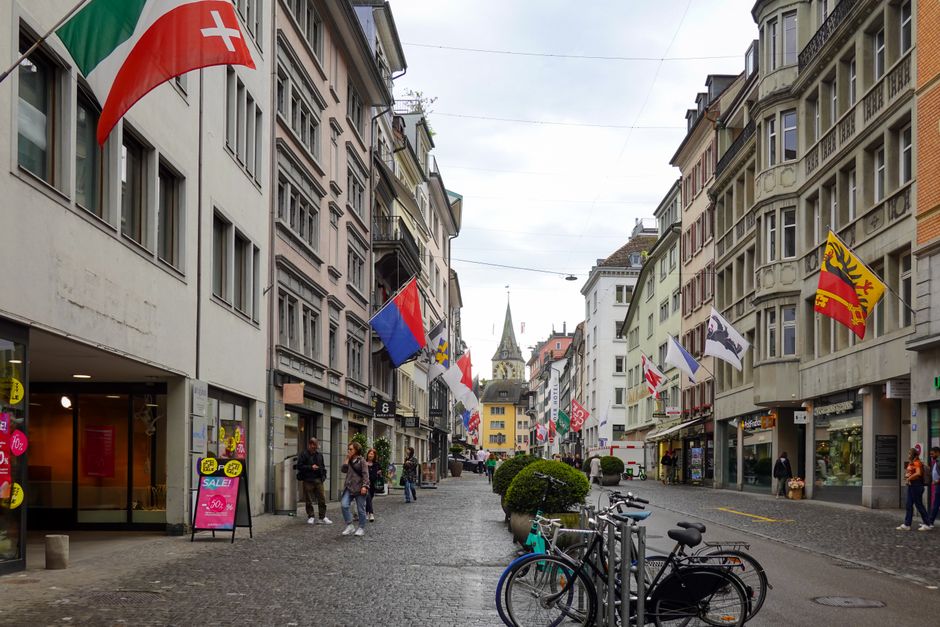
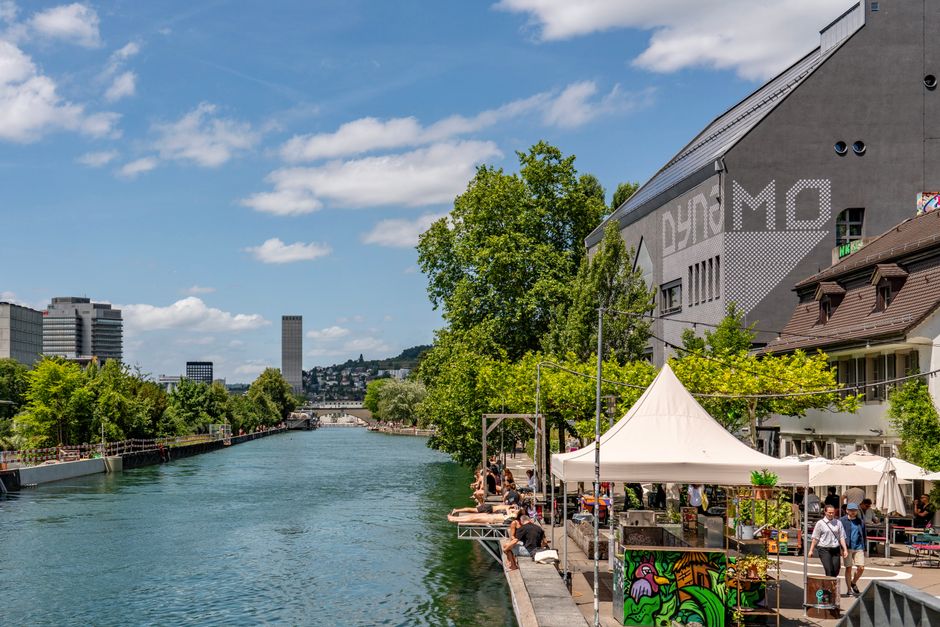
Walk into the converted warehouse spaces along Europaallee and you'll encounter the quiet revolution reshaping Zurich's cultural memory. Not in grand institutional gestures, but in the hands of twenty- and thirty-somethings who are asking uncomfortable questions about which histories the city has chosen to celebrate—and which it has buried.
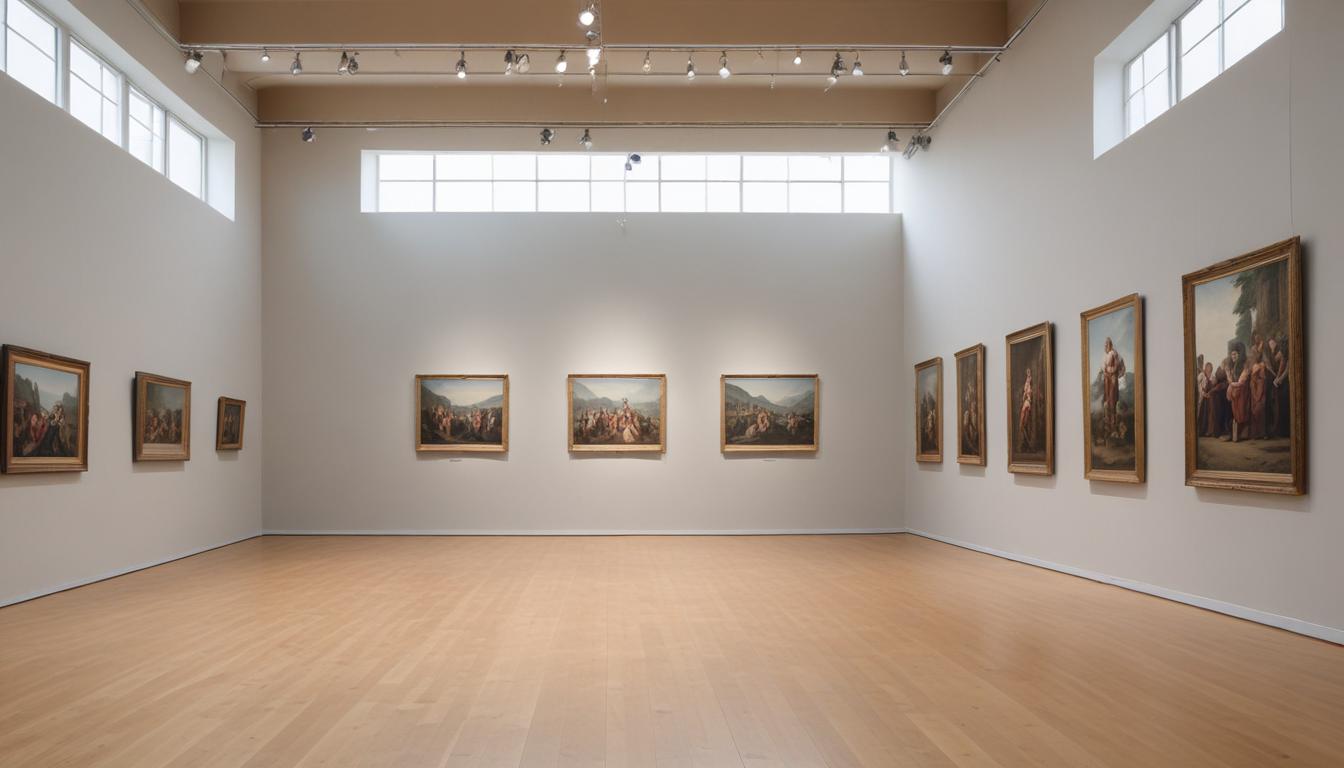
"We inherited a narrative," says the curatorial collective behind this autumn's "Archival Futures" exhibition at Kunsthaus Zurich's Education Lab. "Our generation is asking: whose Zurich is preserved? Whose is forgotten?"
The shift is tangible. Last year, the municipal archives recorded a 34% increase in requests from independent researchers under 35—many investigating overlooked chapters: Zurich's role in 20th-century banking secrecy, the suppressed histories of migrant workers in the Wiedikon district, or the women-led resistance to the city's 1971 expansion policies. Digital humanities projects, sparse a decade ago, now proliferate across the city's universities and independent studios.
Consider Tages-Anzeiger data from 2024: nearly half of new cultural workers in Zurich's heritage sector were women, and 38% have at least one parent with a migration background. This demographic shift is producing research that complicates the city's self-image as a cosmopolitan safe haven. Works examining Zurich's neutrality myth, or interrogating the gentrification of traditionally working-class neighbourhoods like Aussersihl, are gaining traction in smaller galleries—Raum Aktuell, Kunsthalle Zurich's experimental arm, and artist-run spaces scattered through Kreis 5.
The Swiss National Museum's recent decision to establish a curatorial fellowship specifically for researchers exploring underrepresented urban histories signals institutional recognition of this shift. The two-year programme, offering CHF 52,000 annually, has attracted applications from across Europe.
What distinguishes this wave isn't just thematic boldness. It's methodological: a generation fluent in both archival research and digital storytelling, comfortable mixing oral history with data visualisation, and intent on making Zurich's past accessible beyond museum walls. Instagram accounts documenting building histories in Altstetten, podcast series exploring the Sihl river's industrial legacy, and community-led mapping projects in Hongg suggest a future where cultural memory becomes more democratic, more contested, and infinitely richer.
The old gatekeepers—institutional curators, established historians—aren't disappearing. But they're sharing space. And Zurich's next chapter of self-understanding is being written by voices who refuse to accept inherited certainties about who the city really is.
This article was compiled by AI from the sources linked above and screened before publishing. See our editorial standards.
How does this story make you feel?
Spread the word
About this article
Published by The Daily Zurich
Daily brief
Free, in your inbox before 7am. Weekdays.
More in culture