Gold closed Friday at $4,187 per troy ounce, up 4.10 percent on the session, a move that would have seemed implausible two years ago. Simultaneously, West Texas Intermediate crude slipped 2.78 percent to $68.78 per barrel. Those two figures, moving sharply in opposite directions on the same trading day, capture a commodity market that is deeply divided along fault lines of geopolitical anxiety and demand pessimism, and the consequences for Zurich-listed equities and the workers behind them are already becoming visible.
For Swiss investors, gold is not a distant abstraction. The franc itself carries a long historical correlation with bullion sentiment, functioning as a refuge currency in periods of stress, and Friday's EUR/USD rate of 1.1440, up 0.47 percent, reflects broader dollar softness that has been amplifying gold's run in local terms. Pension funds administered through collective foundations in Zurich and Basel typically hold a strategic allocation to gold, either through physically-backed instruments listed on the SIX Swiss Exchange or through equity stakes in major producers. At these price levels, those allocations are performing well into the second half of 2026.
The direct equity beneficiary on the resources side is harder to isolate on the SMI itself, which is dominated by Nestle, Roche, Novartis and the large private banks rather than mining houses. But Swiss institutional money flows heavily into global diversified miners listed in London and New York, and the DAX's 4.49 percent surge on Friday, reaching 25,779, suggests European equity markets broadly are absorbing some of the commodity-driven optimism. German industrial stocks, which feed off stable raw material supply chains, were among the session's standout performers.
The Oil Signal That Portfolio Managers Cannot Ignore
Crude's decline is the more complicated story. A WTI price of $68.78 is not catastrophic for global growth, but the direction matters to Swiss multinationals with significant energy cost exposures in their manufacturing and logistics operations. Companies in the chemicals and specialty materials segments, several of which maintain Swiss headquarters or primary listings, model their margins against energy input costs, and a sustained crude retreat can be a double-edged development: it lowers input bills while simultaneously signalling that end-market demand may be softening in major consuming economies.
Employment in resource-adjacent industries follows that same logic. Switzerland does not operate open-pit mines, but it houses the treasury functions, commodity trading desks and risk management teams of some of the world's largest raw materials groups. Glencore, headquartered in Baar, roughly 25 kilometres from Zurich's financial district, is the clearest example. A gold price above $4,000 per ounce materially improves the economics of Glencore's gold-producing assets, while the weaker crude picture creates pressure on the oil and gas trading division that has been a significant earnings contributor in recent years. Net, the balance is likely positive at these prices, but the mix shift in commodity revenues will shape hiring and bonus decisions across those Zug and Zurich trading floors through the rest of 2026.
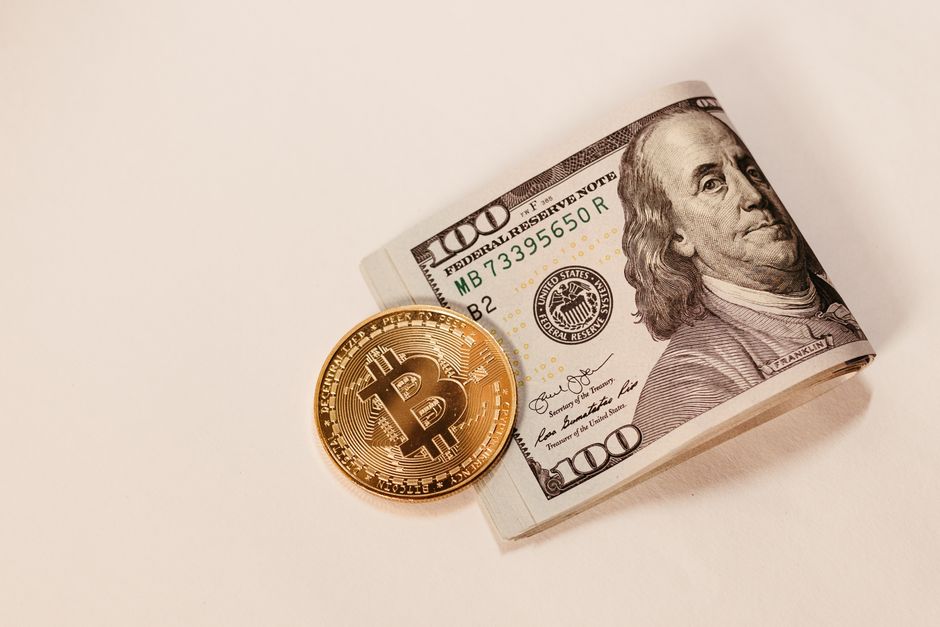
Bitcoin's 6.66 percent rise to $62,456 on the same session adds a layer of complexity to the commodities read. Digital assets do not fit neatly into the resources category, but in the current cycle they have been trading as a risk-on proxy and an inflation-hedge hybrid, mimicking gold's sensitivity to dollar weakness while also attracting speculative capital when equity sentiment lifts. The concurrent rally in Bitcoin and gold on Friday suggests the market is expressing two beliefs at once: that real assets offer protection, and that liquidity conditions remain loose enough to support risk appetite. Swiss financial institutions, several of which have built regulated crypto custody and exchange businesses through FINMA-licensed entities since 2021, have a direct revenue interest in elevated Bitcoin prices sustaining trading volumes.
For the franc-based investor reviewing a pension statement this weekend, the commodity picture carries a clear hierarchy of implications. Gold exposure, whether direct or through producer equities, has been the standout performer and remains supported by the same macro drivers, dollar weakness, geopolitical uncertainty and central bank accumulation, that have carried it to current levels. Energy exposure requires more scrutiny; the crude slide is already compressing the earnings outlook for integrated oil positions. And the broader resources sector, from base metals to agricultural commodities, will hinge over coming weeks on whether Friday's equity optimism, most visible in that DAX jump to 25,779 and an S&P 500 at 7,483, translates into genuine demand signals or proves to be a summer liquidity-driven rally running ahead of fundamentals. Swiss portfolio managers will be watching the franc's next move for an early clue.