Gold at $4,187, the DAX at a Record Surge, and a Bitcoin Rally: What Fund Managers Are Watching This Week
A simultaneous bid for safe havens and risk assets is sending contradictory signals that are keeping global portfolio managers on edge.
A simultaneous bid for safe havens and risk assets is sending contradictory signals that are keeping global portfolio managers on edge.
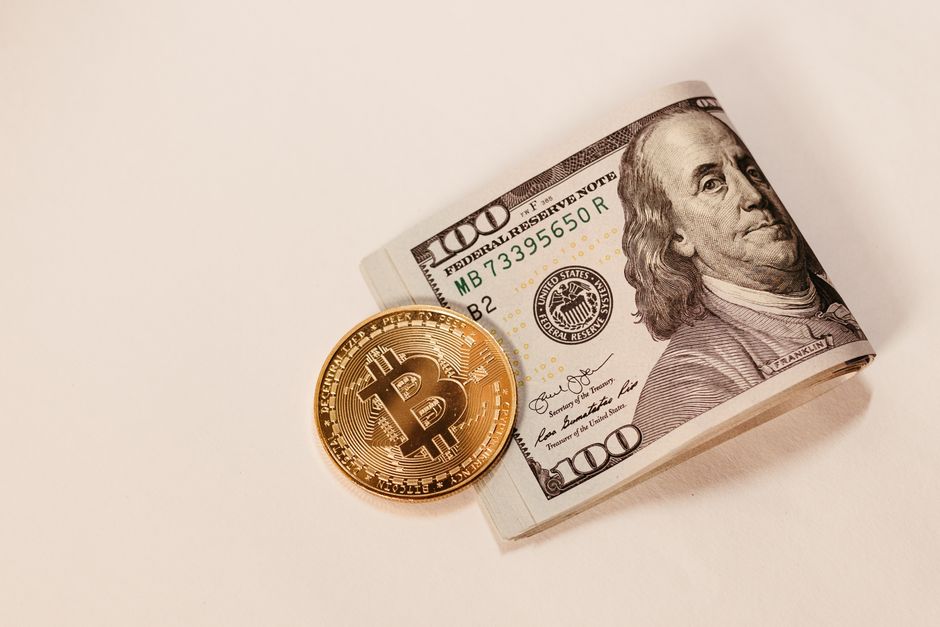
The numbers are telling two stories at once, and professional investors cannot agree which one to believe. Gold touched $4,187 per troy ounce on Friday, up 4.1 percent on the session, while Bitcoin climbed 6.63 percent to $62,441 and the S&P 500 advanced 1.71 percent to 7,483. The DAX in Frankfurt posted a striking 4.49 percent gain to reach 25,779. That combination, a flight to the oldest safe-haven asset and a simultaneous rush into equities and speculative digital tokens, is precisely the kind of incoherent market signal that forces fund managers to confront what they think they actually know.
For investors in Zurich, the week carries particular weight. The Swiss franc, which institutional desks at UBS and Julius Baer routinely treat as a barometer of global anxiety, faces competing pressures. The euro strengthened 0.47 percent against the dollar to reach 1.1440, a move that typically compresses the franc's haven premium by giving risk-off capital an alternative European shelter. Yet gold's surge argues the opposite: that genuine fear is circulating somewhere beneath the surface of the equity rally. Swiss pension funds, which hold substantial allocations to gold-linked instruments and global equities through vehicles benchmarked to the SMI and the MSCI World, are caught in precisely this ambiguity.
Crude oil is the variable most fund managers say they are watching most closely. WTI fell 2.78 percent to $68.78 per barrel, a slide that cuts in multiple directions simultaneously. Lower energy costs should relieve inflationary pressure on European manufacturers, which is constructive for DAX-listed industrials and for Swiss exporters like ABB and Holcim whose input costs track energy prices. But a sustained fall in crude also tends to reflect demand pessimism, and demand pessimism eventually arrives at corporate earnings. The question portfolio managers are working through this week is whether oil is falling because supply is rising or because global growth is softening. The answer changes the trade entirely.
The Nasdaq Composite's 1.87 percent advance to 25,833 reflects continued confidence in large-cap technology, where earnings revisions have held up better than in cyclical sectors. For Zurich-based allocators with exposure to global tech through funds or structured products, the move is welcome but not entirely reassuring. Valuations across the Nasdaq's top constituents remain historically stretched, and any deterioration in U.S. labour data or Federal Reserve guidance in the coming sessions could reverse the week's gains quickly. Several major U.S. banks are scheduled to report quarterly earnings within the next two weeks, and those results will set the tone for whether the current equity rally has fundamental support or is running on momentum alone.
The gold story is the one Zurich readers should watch most carefully. At $4,187, the metal has now gained substantially over the past twelve months, and its continued rise alongside equity markets breaks the pattern that most classical portfolio models assume. Traditionally, gold rises when stocks fall. The current correlation breakdown suggests that some segment of the global investor base, likely sovereign wealth funds and central bank reserve managers, is accumulating the metal regardless of equity conditions. The Swiss National Bank's own reserve composition, which includes significant gold holdings accumulated over decades, means the SNB is a beneficiary of this dynamic even as it creates complications for franc management.
Bitcoin's move above $62,000 adds another layer. The asset's 6.63 percent single-session jump is too large to dismiss as noise, and in recent cycles it has served as an early-warning amplifier of broader risk appetite shifts. When institutional allocators rotate into Bitcoin with this kind of velocity, it often precedes similar moves into small-cap equities and emerging market assets within days. Alternatively, it can signal that liquidity is chasing yield wherever it can find it, which is not always a healthy sign for market stability. Fund managers at Geneva and Zurich-based family offices are watching the correlation between Bitcoin and high-yield credit spreads this week as a secondary indicator.
The picture that emerges for the week ahead is one of elevated uncertainty dressed in the clothing of a rally. The DAX's near 4.5 percent single-day surge is the kind of move that either marks the start of a genuine re-rating of European equities or a sharp short-covering episode that fades as quickly as it arrived. Swiss institutional investors, managing pension assets that require steady, long-duration returns, have less tolerance for that kind of ambiguity than their hedge fund counterparts. The franc, gold, and oil together are the three dials they will watch most closely before repositioning. Right now, not one of them is pointing in a clear direction.
How does this story make you feel?
Spread the word
About this article
Published by The Daily Zurich
Daily brief
Free, in your inbox before 7am. Weekdays.
More in Finance