WTI crude fell to $68.78 a barrel on Friday, a drop of 2.78% that puts oil on track for one of its sharpest single-session declines in months. At the same time, gold climbed 4.10% to $4,187 an ounce, a combination that rarely flatters risk sentiment and that traders in Zurich read as a sign of mounting concern about global demand rather than a straightforward supply story. The Swiss franc, ever the beneficiary when markets turn defensive, firmed alongside the euro, which rose 0.47% to 1.1440 against the dollar. For Swiss households and businesses that import energy priced in dollars, a stronger franc provides a partial cushion against global price volatility, though the relief is never as clean as the headline exchange rate implies.
The oil move matters in Zurich well beyond the petrol station. Switzerland sources the overwhelming majority of its crude and refined products through the Amsterdam-Rotterdam-Antwerp hub and pipeline networks running through Germany. Those import prices track Brent closely, with a lag, and while Swiss retail fuel prices are also shaped by domestic taxes and refinery margins, a sustained slide in WTI to the upper $60s feeds through to pump prices within weeks. The Federal Office of Energy has flagged energy import costs as a persistent driver of domestic inflation throughout 2025 and into this year. Cheaper crude, if it holds, offers some relief on that front.
Gold's Signal and the Safe-Haven Premium
Gold's ascent to $4,187 complicates the picture. Historically, when crude sells off hard and gold surges simultaneously, the market is pricing in either a recession scare or a sharp deterioration in geopolitical risk appetite, sometimes both. Swiss National Bank reserves include gold holdings that have swelled in value over the past two years as the metal climbed, a balance-sheet effect that analysts at several Zurich-based institutions have cited as a quiet stabiliser for the franc. The SNB does not actively trade gold to manage the currency, but the psychological anchor matters to bond markets pricing Swiss sovereign debt.
For pension funds administered under the BVG framework, the commodity picture is genuinely mixed. Swiss Pensionskassen typically hold limited direct commodity exposure, but their equity allocations carry significant indirect sensitivity. Firms such as ABB, which supplies electrification and automation equipment to energy majors worldwide, and Sulzer, active in pumping and rotating equipment for oil and gas infrastructure, both see order pipelines that track capital expenditure decisions by producers. When crude sits below $70, the calculus on new upstream investment turns cautious quickly. Producers defer drilling programmes; equipment suppliers feel it in bookings six to twelve months later.
The DAX's 4.49% surge to 25,779 on the same day that oil fell sharply looks counterintuitive at first glance, but the German index's rally likely reflects relief on other fronts, including easing trade tensions and a softer dollar, rather than enthusiasm about energy sector earnings. European energy majors including Shell and TotalEnergies, which carry weight in indices that Swiss asset managers track through their international equity sleeves, have seen consensus earnings estimates trimmed in recent weeks as crude has softened from its spring highs.
Swiss utilities deserve a mention here. Alpiq and BKW, both listed in Zurich, derive revenues primarily from hydro and nuclear generation, which means their cost base is largely insulated from crude moves. But they sell power into the Central European grid where electricity prices correlate, with a lag and imperfectly, to gas prices. Gas itself has been edging lower in European markets in recent weeks, following crude directionally if not mechanically. That is a mild headwind to wholesale power revenues, though both companies have significant hedging programmes that smooth quarterly income.
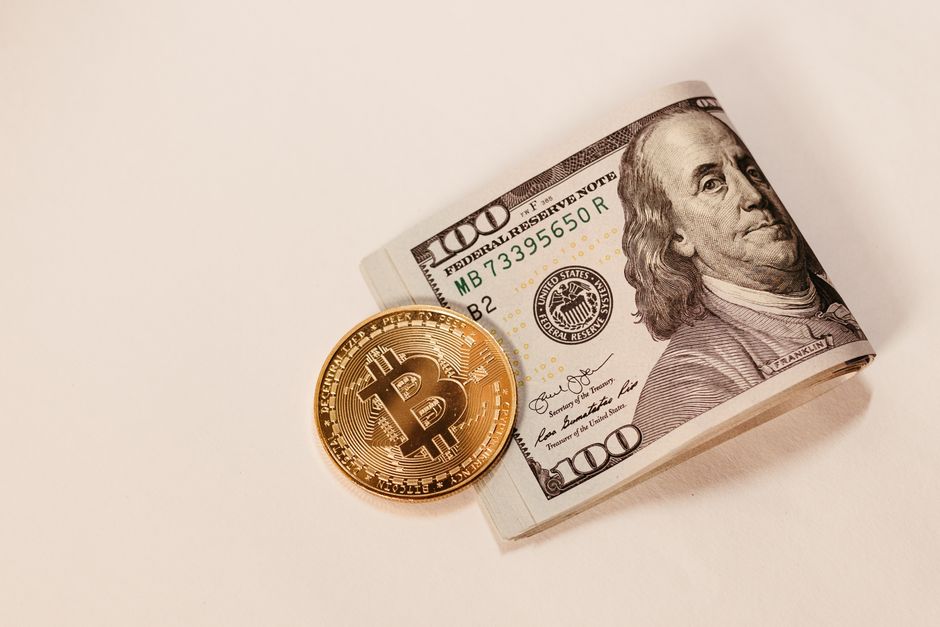
Bitcoin's 6.63% jump to $62,441 on the same session that gold rallied hard suggests that some investors are rotating into alternative stores of value simultaneously, a pattern that recurred during the banking stress of March 2023. Whether that reflects genuine macro hedging or shorter-term speculative positioning is difficult to disentangle from price action alone. Swiss crypto infrastructure firms, clustered in the Zug corridor, will note the move. The S&P 500 climbing 1.71% to 7,483 and the Nasdaq adding 1.87% to 25,833 meanwhile point to a US equity market that is looking past the oil softness and treating cheaper energy as a consumer dividend rather than a demand warning.
The practical takeaway for Zurich readers with exposure to global energy through their pension portfolios or directly via listed Swiss industrials is this: lower crude buys time on domestic energy bills and may trim SNB inflation projections modestly at the margin, but it also signals that global growth expectations are being marked down. That is not a one-way gift. Gold at record levels above $4,000 is the market's own editorial comment on how much uncertainty remains in the system.