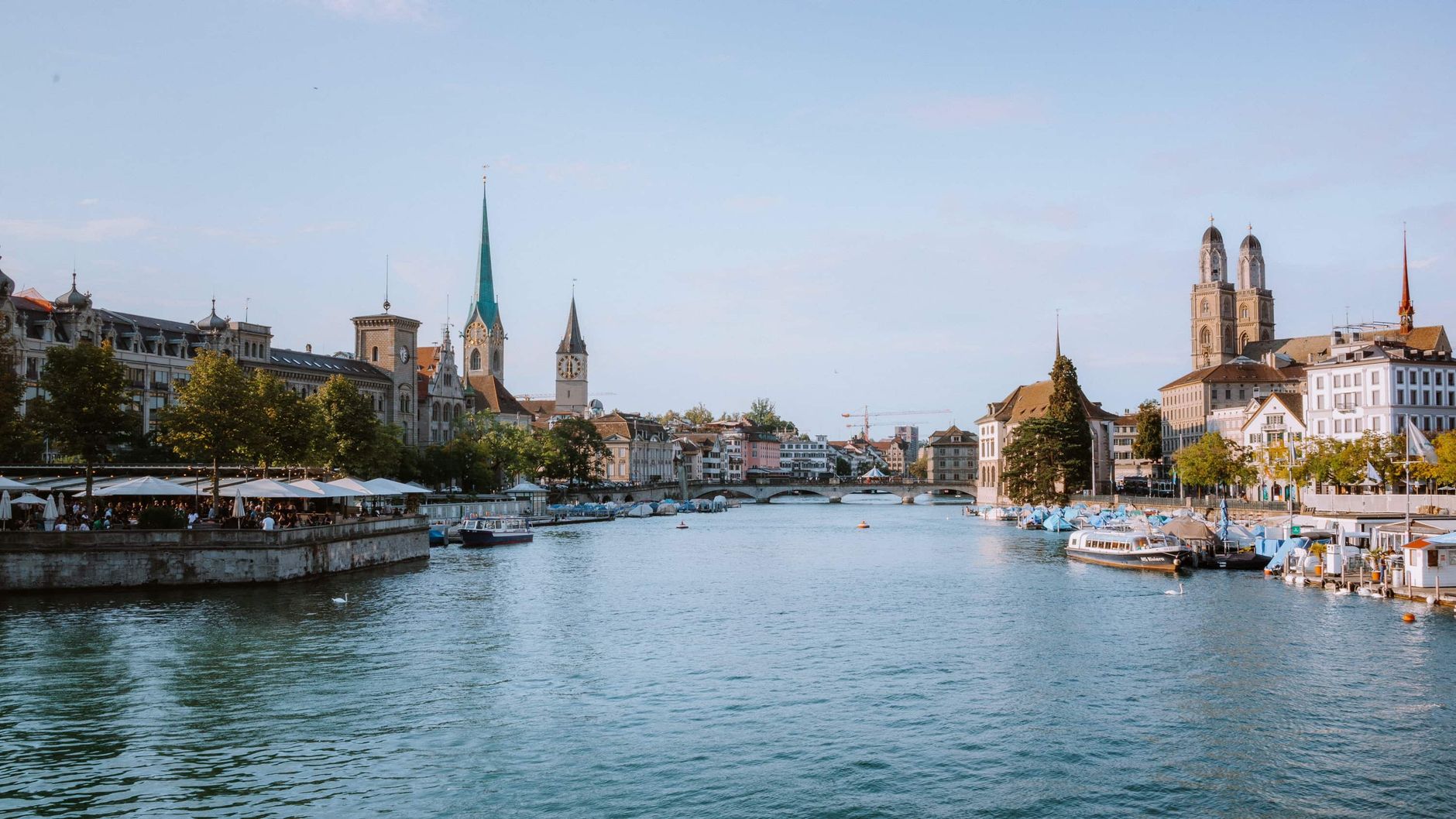
Zurich's housing shortage has reached a point where senior city officials are no longer speaking in careful diplomatic language. At a Stadtrat briefing on July 2nd, councillors confirmed the vacancy rate for rental apartments across the city had fallen to 0.07 percent — a figure so low that housing economists say the market has effectively seized. The Swiss standard for a functioning rental market sits at roughly 1.5 percent. Zurich is not close.
The numbers matter because they land at a moment when pressure on the city is compounding from multiple directions. Construction costs remain elevated following post-pandemic supply disruptions, mortgage rates have not returned to the near-zero floor that defined the previous decade, and population growth — fuelled largely by the financial and pharmaceutical sectors drawing skilled workers from across Europe — is outpacing any realistic near-term building programme. The ETH Zurich Chair of Housing Economics published an analysis in June estimating the city needs approximately 5,000 net new units per year through 2030 just to stabilise vacancy at a functional level. Current completions are running at roughly half that pace.
What Planners and Advocates Are Actually Saying
Inside the Stadthaus on Stadthausquai, the dominant debate is no longer whether to intervene but how aggressively. The city's Amt für Städtebau has been working since early 2025 on revisions to zoning rules in the Altstetten and Albisrieden districts, where large parcels of low-density industrial land are sitting underused within twenty minutes of the Hauptbahnhof. Planners say upzoning those corridors could unlock development potential for several thousand apartments over a decade, but opposition from existing residents and heritage lobbies has slowed the process at every public consultation stage.
The city-owned housing cooperative ABZ, one of the largest in Switzerland with a portfolio exceeding 4,800 apartments, has publicly called on the Stadtrat to accelerate land disposals rather than holding municipal plots for future projects that take years to reach tender. ABZ board members have argued in recent weeks that a faster pipeline — even at slightly lower design standards — beats slower perfection when families are spending more than 40 percent of net household income on rent. The average asking rent for a new three-room apartment in Zurich's inner districts now sits above CHF 2,400 per month, according to Homegate data from June 2026.
Tenant advocacy group Mieterinnen- und Mieterverband Zürich has been blunter still. Their position, stated in a July 1st press release, is that voluntary commitments from developers are worthless without binding affordable-housing quotas attached to every major upzoning decision. They point to Zürich West, where a wave of commercial-to-residential conversions in the Industriequartier over the past eight years produced thousands of new units, almost none of which qualified as affordable under cantonal definitions. The neighbourhood's transformation is visible from the tram on Hardstrasse — glass towers where machine shops stood — but the price tags belong to a different economic universe than most Zurich residents inhabit.
The Political Fault Lines Ahead
The Gemeinderat is scheduled to vote in September on a revised version of the Wohnraumförderungsgesetz, the city's core affordable-housing statute, which was last meaningfully updated in 2018. The left bloc is pushing for a mandatory 30 percent affordable quota on all new developments above 20 units. The centre-right FDP and Mitte factions argue the quota level will simply freeze development, pushing projects across the city boundary into Schlieren or Dietikon where no such rules apply.
ETH urban planning researchers who have modelled similar quota regimes in Vienna and Amsterdam warn that the outcome depends almost entirely on land-price dynamics at the time of implementation. If Zurich's land values have already absorbed the expectation of higher obligations, quotas can work without suppressing supply. If they haven't, the economic logic tips toward the FDP argument. That empirical question remains unresolved, and the September vote is coming fast.
For residents in the meantime, the practical advice from both the Mieterverband and the city's own housing office is consistent: register with the cantonal housing list and with cooperative waiting lists as early as possible. Genossenschaft Mehr als Wohnen on the Hunziker Areal in Leutschenbach, which opened in 2015 as a flagship mixed-use cooperative project, currently has a waiting list measured in years, not months.