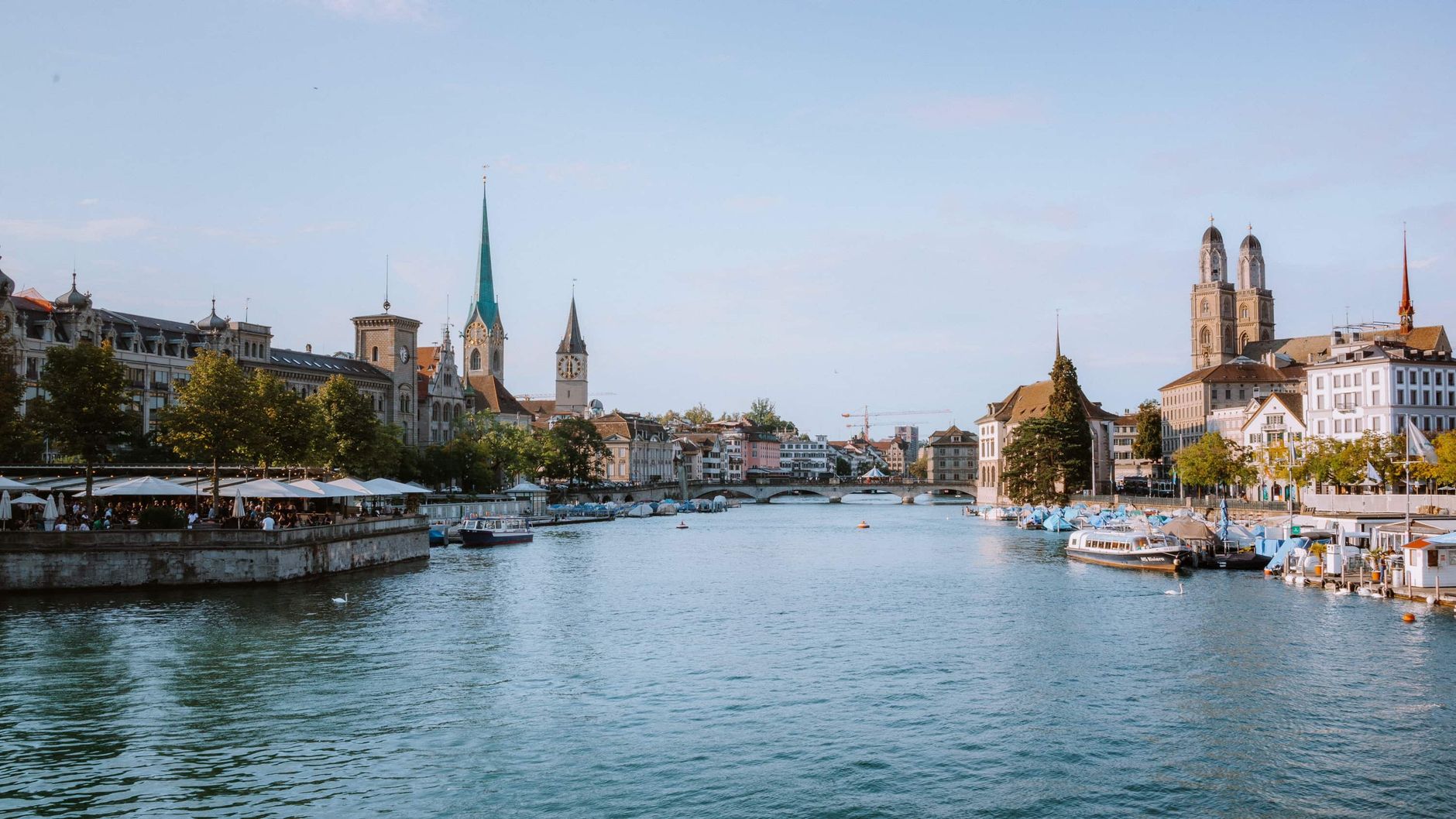
One in three people living in Zurich was born outside Switzerland. That figure, confirmed by the city's statistical office for the end of 2025, puts Zurich among the most internationally mixed urban centres in Europe — ahead of Vienna, behind Brussels — and it is reshaping everything from rental queues to school waiting lists to the weekend crowds along Langstrasse.
The number matters right now for several reasons stacking on top of each other. Across Europe this summer, governments are recalibrating migration policy under pressure from rising nationalism, fuel shortages stoking economic anxiety in Russia, and a security climate sharpened by the bombing in Monaco earlier this week. Switzerland is not immune. A federal popular initiative that would tighten residency requirements for third-country nationals is expected to qualify for the ballot by autumn 2026, and Zurich's city council voted 67 to 54 in June to formally oppose it — a margin that reflects how genuinely divided local opinion is.
Where the Pressure Shows
On the ground, the stress is most visible in three districts. Kreis 4, centred on Langstrasse and Helvetiaplatz, has a foreign-born share above 50 percent. Kreis 12, stretching through Schwamendingen and Hirzenbach, has seen net migration rise faster than any other district for three consecutive years. Oerlikon, now branded as a tech and innovation quarter, added roughly 2,800 new residents in 2024 alone, the majority holding EU or non-EU residence permits.
The city runs integration support through two principal arms. Integrationsförderung der Stadt Zürich, based on Rötelstrasse 69, coordinates language courses, civic orientation sessions and employer mediation for roughly 14,000 active participants annually. The Fachstelle für Stadtentwicklung, working from Stadthaus on Stadthausquai, feeds demographic data directly into housing and infrastructure planning. Both offices told The Daily Zurich in written responses this week that caseloads have grown approximately 18 percent since 2023, while staffing has grown 6 percent.
Housing makes everything harder. A one-bedroom apartment in Kreis 4 now lists at an average of CHF 2,350 per month, up from CHF 1,980 in January 2024, according to the cantonal housing registry. Newly arrived workers on the lower end of Zurich's wage scale — many employed in logistics, healthcare support and hospitality — qualify for city-subsidised housing through the Gemeinnützige Baugenossenschaften network, but the waiting list for a cooperative flat in Zurich city now runs to approximately four years. That gap leaves families cycling through expensive sublets, which in turn drives up rents across entire postal codes.
What the Community Actually Experiences
The classroom data is striking. In the primary schools of Kreis 11, which includes Affoltern and Seebach, 47 percent of pupils speak a language other than German at home, according to the Volksschulamt's 2025 annual report published in April. The city runs a dedicated programme called Deutsch als Zweitsprache — DaZ — in all 120-plus public primary schools, but thirty of those schools flagged to the Schuldirektion last year that DaZ hours per pupil had effectively declined because demand outpaced the qualified teacher pool.
The social dividend, though, is real and measurable. ETH Zurich's sociology department published findings in March showing that high-diversity neighbourhoods in the city correlate with lower per-capita emergency healthcare costs, likely because migrant community networks provide informal elder care and social support that public services would otherwise have to fund. Kreis 6, with its significant Portuguese- and Spanish-speaking communities concentrated around Milchbuck, was cited as a specific example.
For residents trying to navigate what comes next: the city's Integrationsförderung office runs free German conversation groups at six neighbourhood centres, including the Gemeinschaftszentrum Riesbach on Seefeldstrasse, every Tuesday and Thursday evening. The next intake of the city's twelve-week civic orientation course — covering Swiss direct democracy, tenants' rights and the healthcare system — starts September 8, with registration open from July 14 on the Stadt Zürich portal. Residents facing housing emergencies can contact the Soziale Dienste on Stauffacherstrasse 10 for emergency mediation. The ballot on the federal residency initiative, if it qualifies as expected, will land on Swiss voters' desks no earlier than spring 2027 — which means the debate will run through an entire school year, a full rental cycle, and at least two more rounds of city budget negotiations before anyone casts a vote.