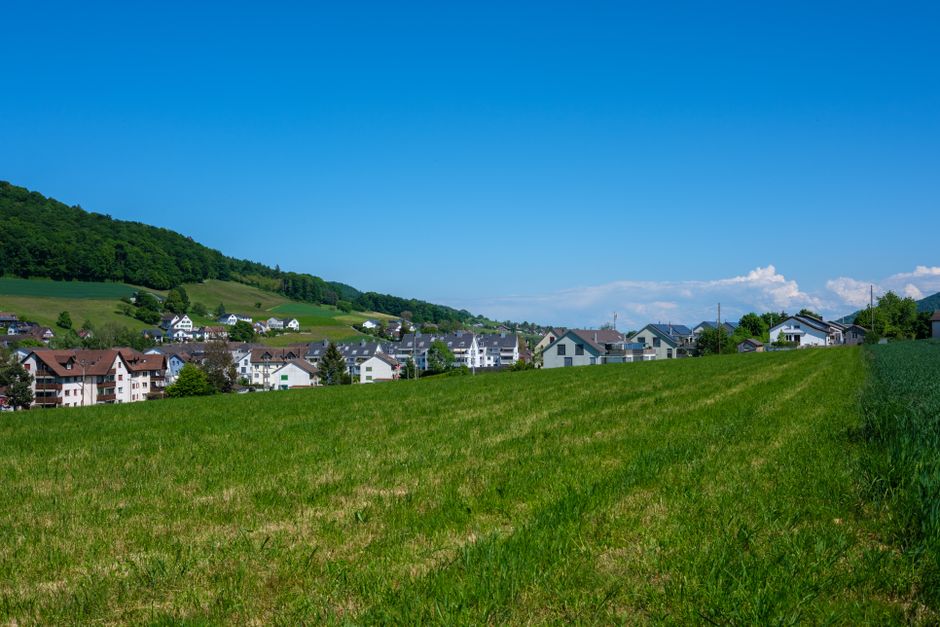
As affordable housing shortages bite and developers pivot toward mixed-income projects, the industrial suburb is attracting investors and policymakers alike—reshaping the affordability debate.
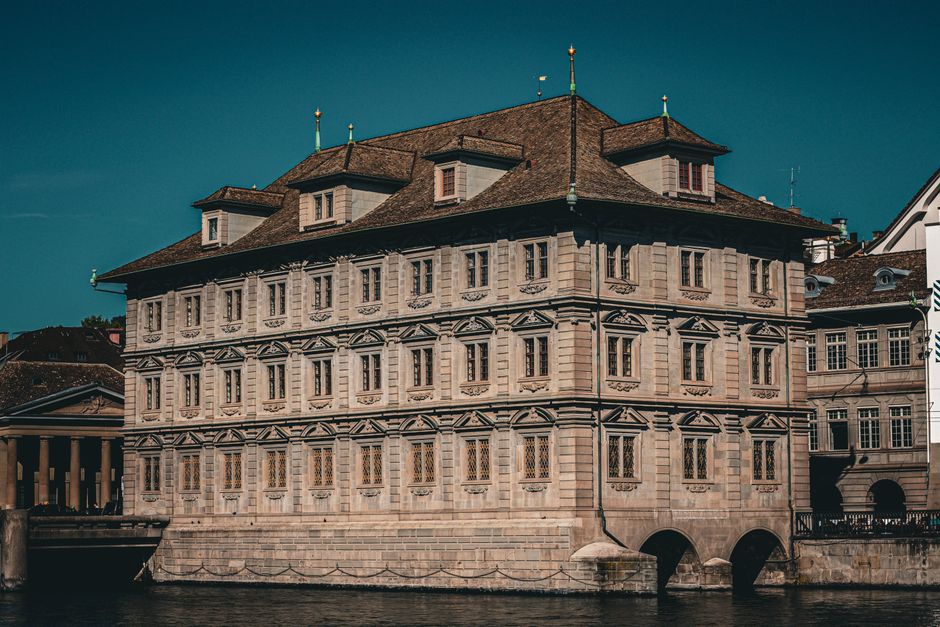
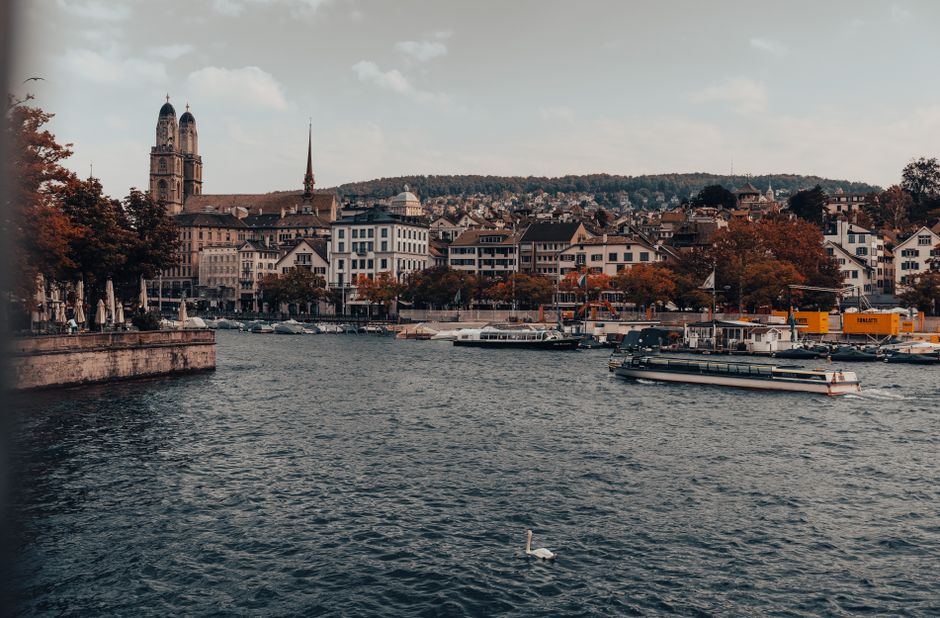
A fresh wave of prestige developments along the Limmat and Zürichsee is redefining what ultra-premium living means in Switzerland's most expensive real estate market.
As major residential projects advance from approval to completion, the numbers show a widening gap between prime waterfront returns and emerging neighbourhood opportunities.
As grants expand and rates stabilise, new data shows investor-backed first-home purchases are reshaping yields across the city's most coveted postcodes.
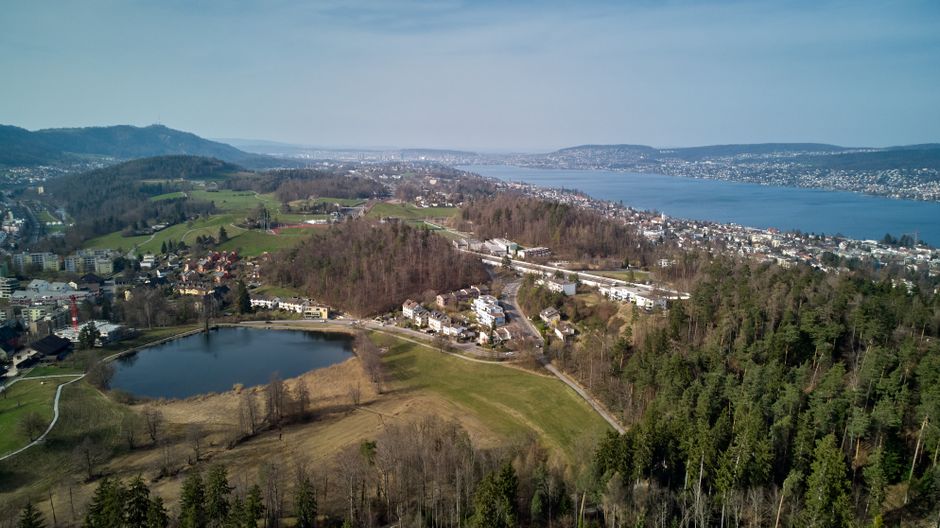
Once dismissed as peripheral, the south-side neighbourhood is attracting serious capital as savvy investors recognise its transit links, cultural momentum, and untapped upside.
With vacancy rates hovering near record lows, understanding the city's rental landscape has never been more crucial for those planning their first property purchase.
With average prices hovering near CHF 15,000 per square metre, entry-level buyers need to understand subsidised housing schemes, cooperative models, and emerging neighbourhoods to break into Switzerland's most expensive market.
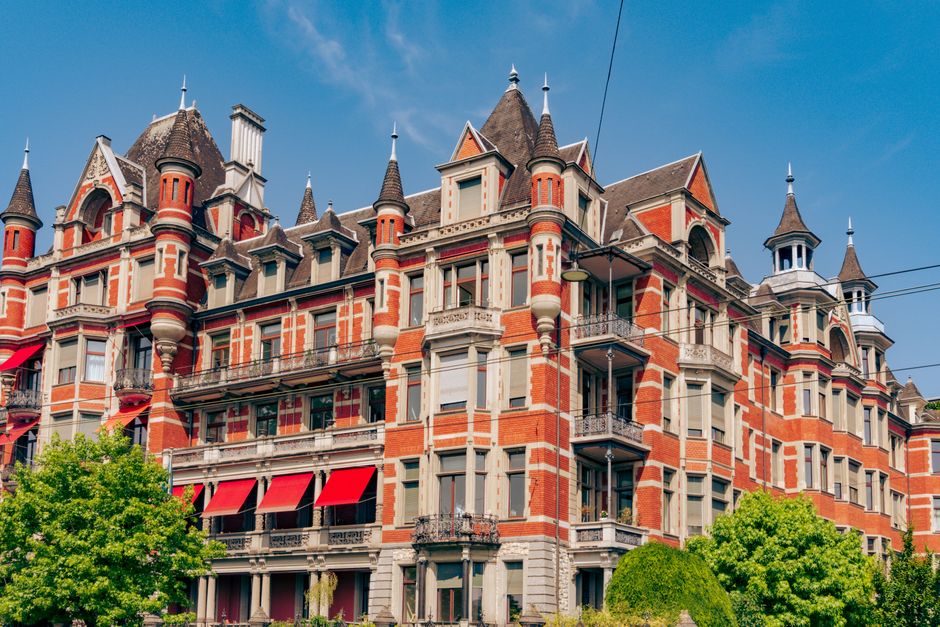
As major residential schemes reshape the city's skyline, developers and planners face mounting pressure to deliver genuinely affordable units amid Switzerland's steepest property valuations.
As transit upgrades reshape commute patterns and remote work stabilises, which Zurich suburbs are overheating—and where shrewd buyers still find value in 2026.
As Zurich grapples with average prices of CHF 15,000 per square metre, ambitious affordable housing developments along Limmatstrasse are signalling a shift in how the city's trendiest districts evolve.
Recent property sales across Zurich's prime postcodes reveal a market rewarding selectivity over speculation, with yields tightening in coveted zones while opportunities emerge in secondary neighbourhoods.